Our Environment: “John F. Kennedy's Words” By Scott Turner
Scott Turner, Environmental Columnist
Our Environment: “John F. Kennedy's Words” By Scott Turner
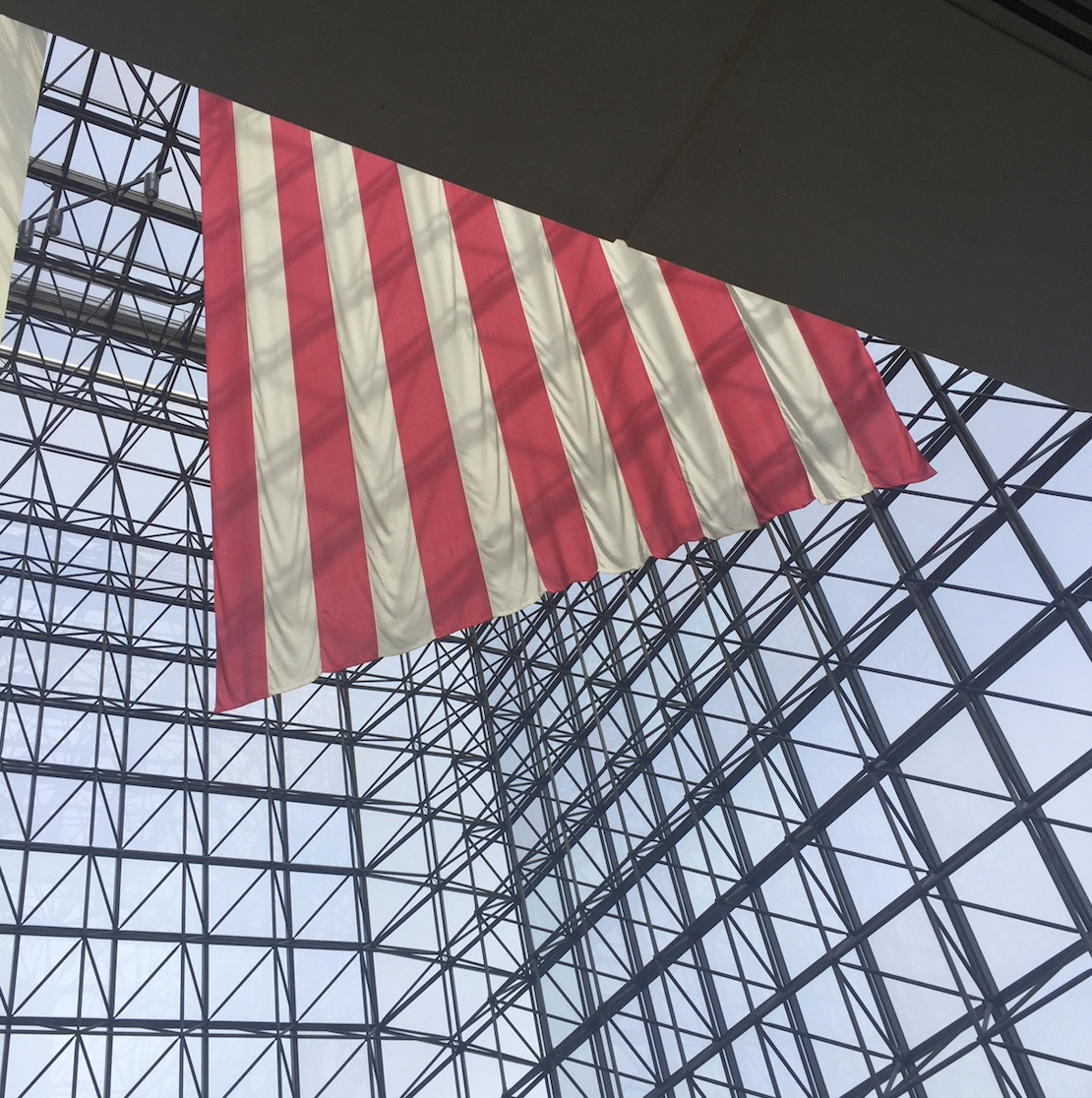
In particular, we were interested in the speeches and other language used by President Kennedy, who, as the Library noted, “…believed in the power of words—both written and spoken…”
Take this excerpt from his acceptance of the Democratic nomination for President in 1960: “But I think the American people expect more from us than cries of indignation and attack. The times are too grave, the challenge too urgent, and the stakes too high--to permit the customary passions of political debate. We are not here to curse the darkness, but to light the candle that can guide us through that darkness to a safe and sane future”
GET THE LATEST BREAKING NEWS HERE -- SIGN UP FOR GOLOCAL FREE DAILY EBLASTThe visit was also a chance to explore Kennedy’s Irish-Catholic roots, his family background, and to reflect on a time when conciliation was not equated with cowardice.
After our three-hour visit to the library, we strolled down to the Harborwalk, reached via stone steps that led to a paved plaza and the water’s edge. Busted quahog shells strewn the plaza from gulls dropping the shells from the sky to break them open and devour their contents.
The library is located in the Columbia Point area of Boston. The 43-mile-long Harborwalk transports you through an environment and a history that is richly marine and maritime. Boston, of course, is full of geographical nooks and crannies along its waterfront, providing Harborwalk visitors with plenty to see, and lots to do, depending upon where you choose to tread.
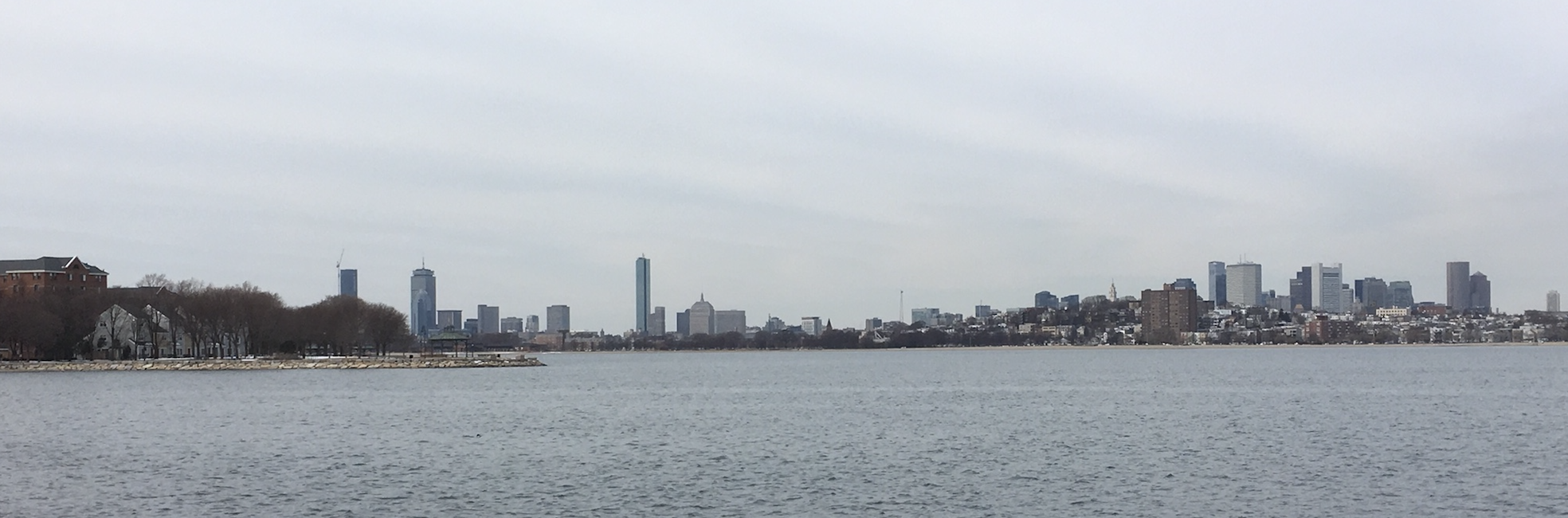
Our ramble provided a chance to observe close-up a flock of Common Eider, a heavy-set sea duck that breeds in the Arctic and winters in our waters. The birds floated just offshore between the library and the Boston skyline.
According to research published in the Journal of Experimental Biology, a Common Eider lifts itself into the air in one of two ways. The first method is called “steaming.” This entails “rapid oaring with the wings to propel” along the water surface. The second is called “paddle-assisted flying,” which involves a bird lifting its body from water and using its “feet to paddle against the surface while flapping” its wings.
The sky was clear and the air temperature hovered in the low 30s. The wind was light but steady. We could hear waves splashing against the riprap, as one jet after another ascended from Logan Airport to our north, passing over Thompson and Spectacle islands to our east.
Suddenly one of the eider took off in the species’ characteristic paddle-assisted flight. This produced a unique pattering sound, as the eider skittered past us just above the water surface. What a contrast between this splish-splash form of aviation, the relatively graceful soaring of gulls overhead and the propulsion of the jets departing Logan.
As we ambled along the great estuary of Boston Harbor, we talked about JFK’s belief that compromise was necessary when times demanded it. Indeed that was the theme of his book, “Profiles in Courage, detailing the careers of senators who stood against their constituencies and associates to do what was right for the national interest.
We left the shoreline to warm up at McKay’s Breakfast and Lunch in South Quincy. There, lofting cups of malty, red-tinged Irish tea, served in the traditional “cuppa tay” way—milk first, strong tea added second—we toasted compromise and courage and prayed that both returned to public discourse.
As Kennedy quoted, the words of Senator Henry Clay, “All legislation … is founded upon the principle of mutual concession. … Let him who elevates himself above humanity, above its weaknesses, its infirmities, its wants, its necessities, say, if he pleases, ‘I will never compromise’; but let no one who is not above the frailties of our common nature distain compromise.”