


Our Environment: “Robins Descend in the New Year” By Scott Turner
Scott Turner, Environmental Columnist
Our Environment: “Robins Descend in the New Year” By Scott Turner
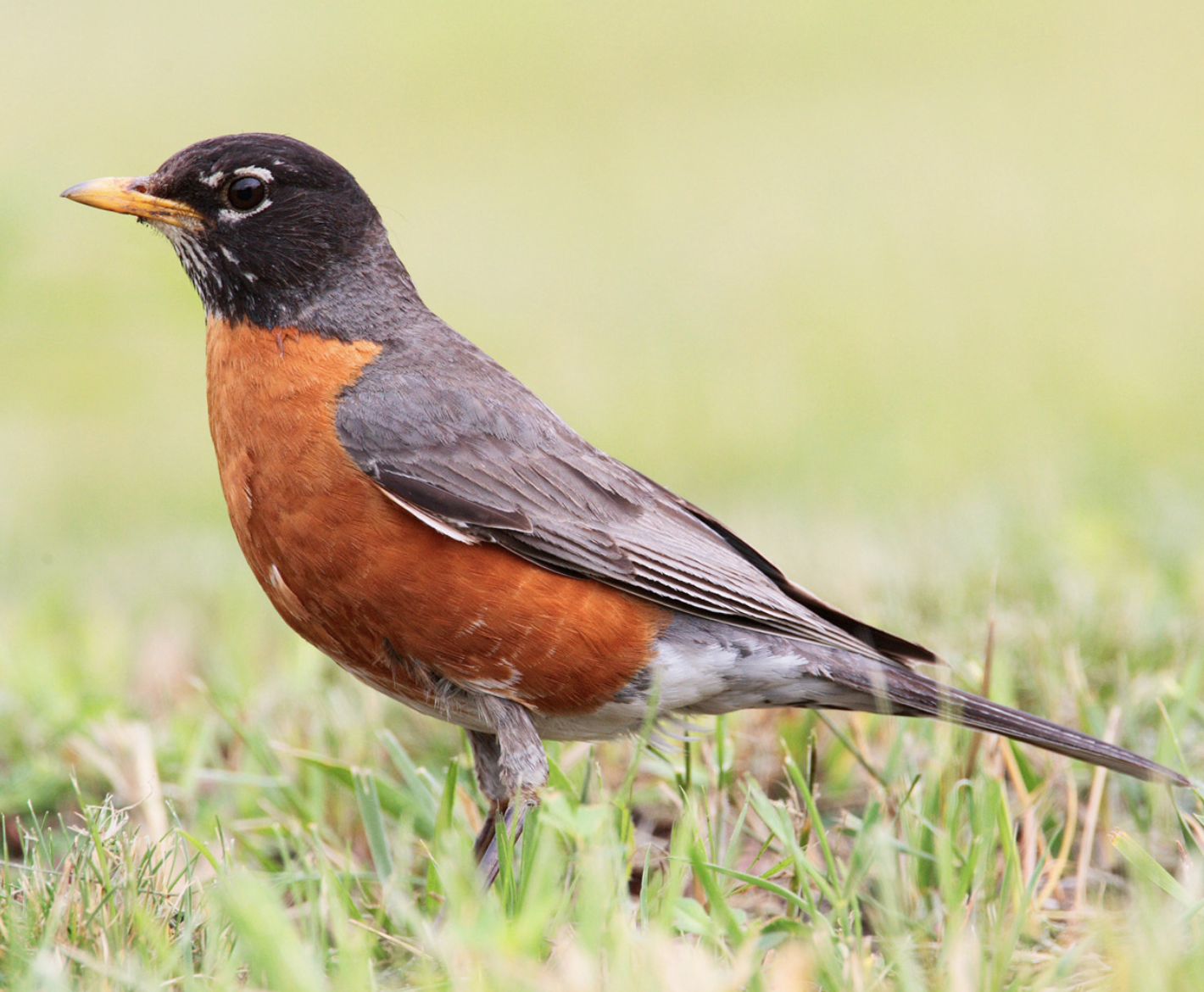
By the dozens, American Robins arrived, beginning December 30th, to consume the neighborhood crabapples. Yesterday, for example, on a six-square-block walk I counted more than 100 robins.
What’s unusual for our neck of the urban woods is that the robins usually show up in early November after fall frosts soften the crabapples for songbird consumption. This past fall, however, the frosts came and went, while the fruit remained untouched.
GET THE LATEST BREAKING NEWS HERE -- SIGN UP FOR GOLOCAL FREE DAILY EBLASTWhy didn’t the robins arrive after Halloween, as they had in our previous 21 winters in Rhode Island?
First, I think the exceptionally strong crop of fruit on ornamental pears kept the birds filled. Second, I know that robins did feed on crabapples elsewhere in the city and state. Maybe our neighborhood was the final stop on their feeding hop.
Now that they’re here, this is what the scene looks like: From perches in tall oaks, one robin after another flies down into a crabapple tree, grabs a fruit and either swallows it there or returns with the berry to the higher perch.
Meanwhile, some robins have settled into spots in the crabapple canopy—plucking and gulping down one berry after another—while others are feeding on fruit that has fallen to the pavement.
Such a songbird concentration typically attracts hawks, and I’ve observed two species of relatively compact, fast-flying raptors—Cooper’s hawk and Sharp-shinned Hawk— around the neighborhood in recent days.
With the arrival of the robins has come a Northern Mockingbird, which appears to have established a winter territory around a fruit-laden privet shrub beside our home. The mockingbird also eats crabapples, doing so in a squawking, wing-flashing ruckus that clears other birds from the tree.
The robins hit the crabapples the same time that they invaded the American holly trees and shrubbier hollies in our neighborhood. This winter, all holly species in the hood are lush with red berries, and the songbirds are as fanatic for them as they are for the crabapples.
Unlike the eight-week-later-than-usual feeding on local crabapples, the hollies are hosting songbirds as they do every year at this time. That milestone, plus others, such as the later setting of the sun, tells me that winter is moving along.
Alas, none of those observations should suggest that I get ahead of myself season-wise. Although the birds are in the hollies and days are lengthening, the coldest weather of winter is yet to come.