


Providence Ranked as “High Gun Homicide Rate” City by New York Times
GoLocalProv News Team
Providence Ranked as “High Gun Homicide Rate” City by New York Times
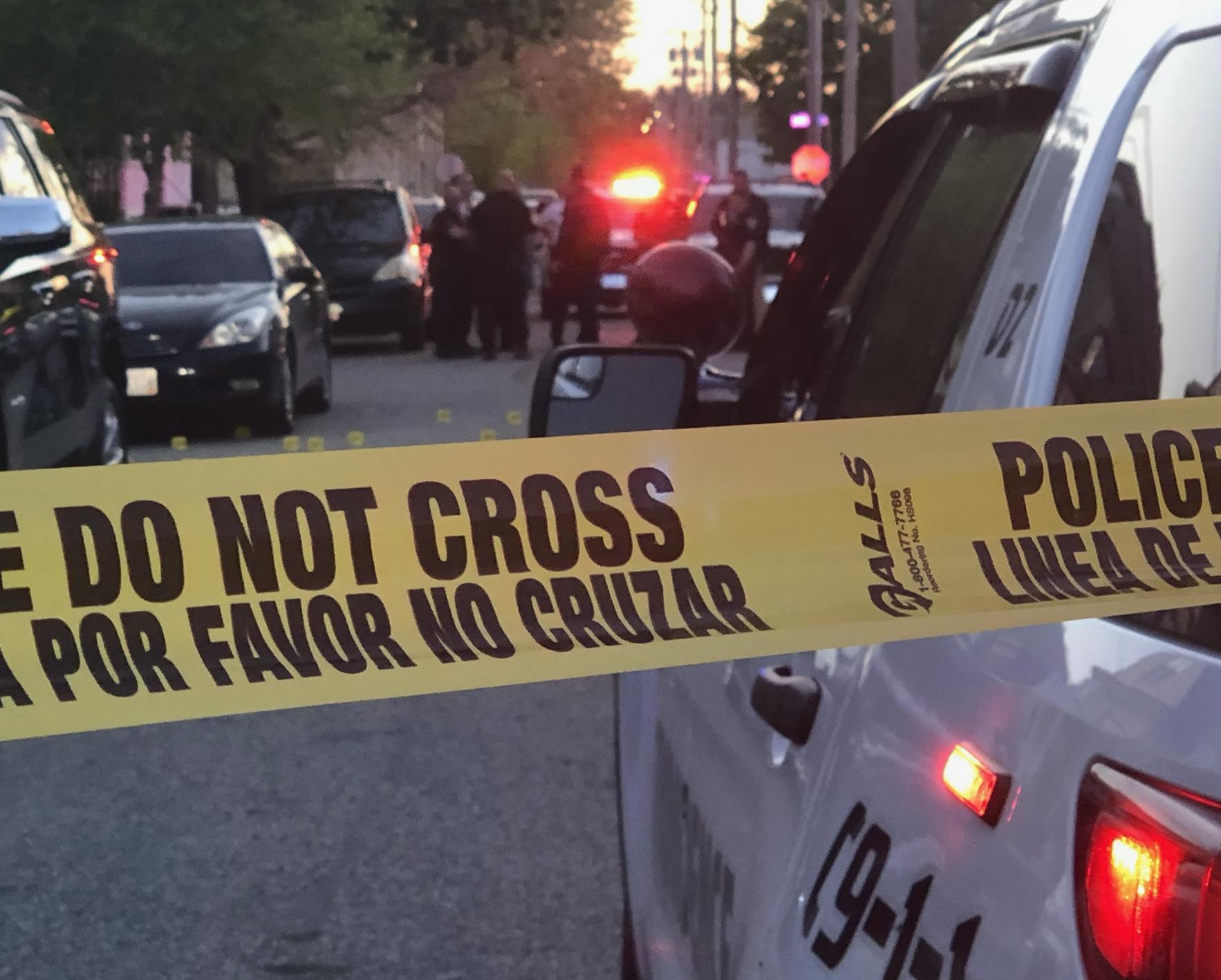
According to the Times, “There were at least 52 fatal shootings in Providence from 2020-23...about 45 percent of people lived near a shooting."
GET THE LATEST BREAKING NEWS HERE -- SIGN UP FOR GOLOCAL FREE DAILY EBLAST
Further, the Times found that “there were 25 more fatal shootings in Providence from 2020-23 compared with the previous four years. The share of residents living near a shooting rose by 15 percentage points.”
And, the Times found that Hispanic residents were most likely to live near the violence.
“This was the share of Providence residents of each race or ethnicity who lived near at least one shooting: Hispanic 58%, White 29%,” reported the Times.
- Boston ranked lower in the Times analysis as having an "About Average Gun Homicide Rate."
- Hartford was ranked in the same category as Providence, although the Connecticut city had twice as many fatal shotings. According to the data obtained by the Times, there were at least 108 from 2020-23, and about 74 percent of people lived near a shooting.
- Worcester, which has a larger population than Providence and Hartford, suffered from fewer gun homicides.
“There were at least 24 fatal shootings in Worcester from 2020-23. About 22 percent of people lived near a shooting,” according to the Times. Moreover, it saw a much lower increase — just 7% during the three-year period.
About the NY Times Project
A surge of shootings during the pandemic took thousands of lives and reshaped American neighborhoods. These maps show that the footprint of violence expanded nationwide from 2020 through 2023, and they reveal shifting patterns of violence in communities across the country.
The maps are based on a New York Times analysis of data from the Gun Violence Archive, a nonprofit that tracks shootings in the United States. They allow you to compare data on fatal shootings block by block, to see the change from the prepandemic period, and to explore the racial demographics of neighborhoods where fatal shootings occurred.
The Times is exploring the impact revealed by this data in a series of articles.