


Providence to Lose Millions as 50+ College Properties Go Off Tax Rolls
Stephen Beale, GoLocalProv News Contributor
Providence to Lose Millions as 50+ College Properties Go Off Tax Rolls
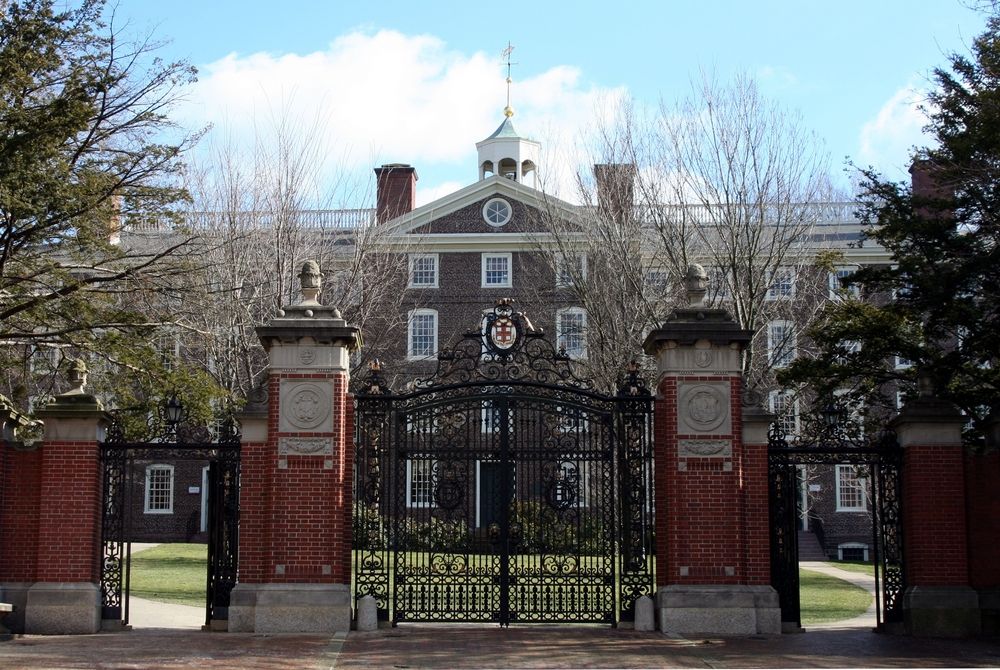
The properties were purchased by four local colleges in recent years but their loss will not be immediately felt. Instead, in accordance with 2003 memoranda of understanding between the city and the colleges, the properties will be gradually phased off the tax rolls. The idea was to minimize the hit to city revenues, but the flip side is that eventually the city will lose those revenues and see those properties drop off its tax rolls permanently.
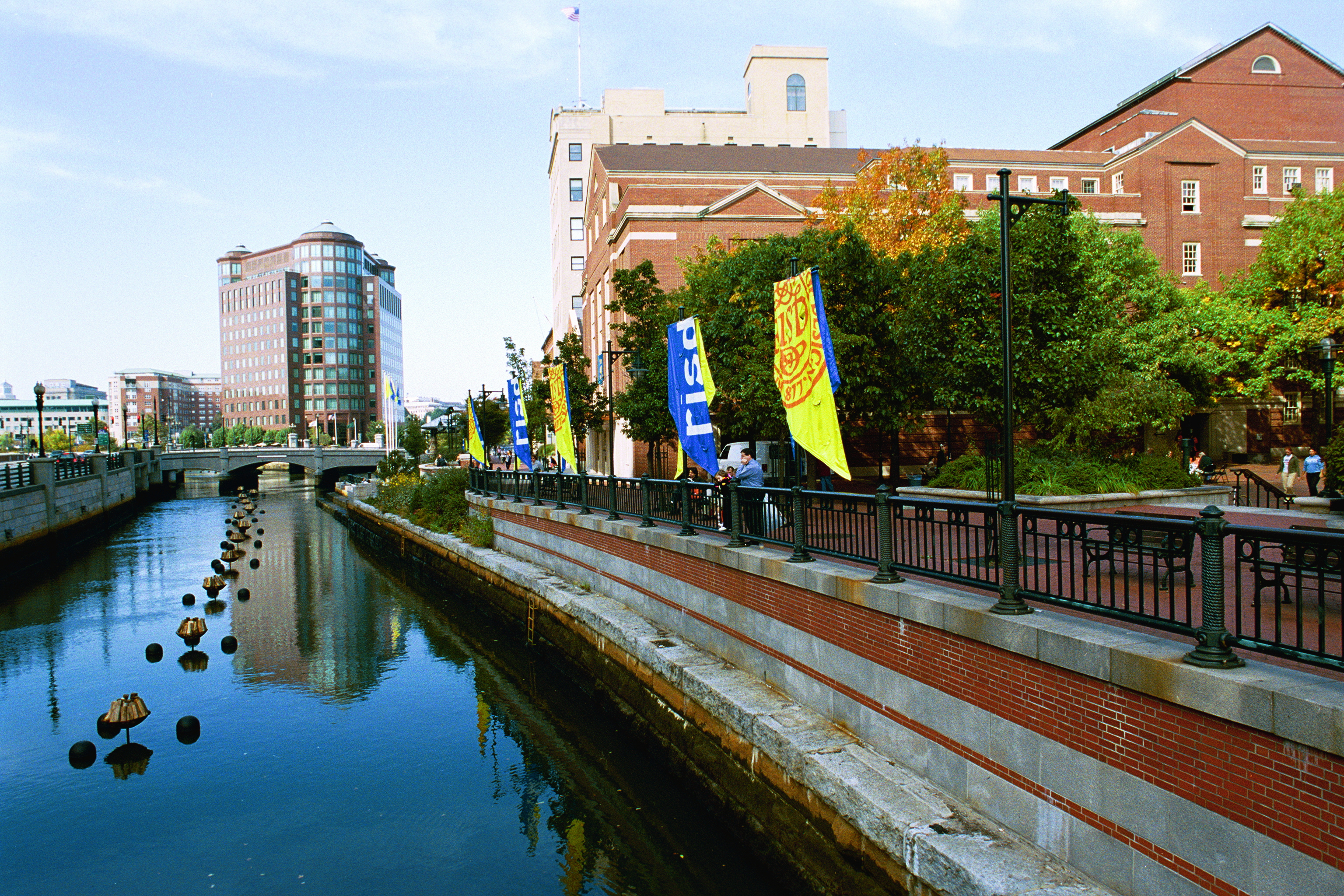
An estimated 52 properties owned by four local institutions of higher education are currently subject to the terms of the 2003 deals. Those institutions are: Brown University, Johnson and Wales University, Providence College, and RISD.
GET THE LATEST BREAKING NEWS HERE -- SIGN UP FOR GOLOCAL FREE DAILY EBLASTSome have already begun to phase out their payments but the total amount of revenues from the properties has increased as some were purchased more recently than others. In the current year, the 52 properties will generate $1.9 million in tax revenue from the city.
That amount will hold steady in 2015. Then a sharp decline begins as the city loses a chunk of the revenues as the properties are phased off the tax rolls over the course of 15 years.
Were there no phase-out, the properties would produce $28,633,905 in tax revenue for the city over that 15-year period. With the phase-out, the city will collect roughly half of that, foregoing an estimated $14.4 million in revenues it would otherwise receive were the owners not tax-exempt. By 2029, just a handful of the original 52 properties will be left to generate just $22,000 of the $1.9 million the city is receiving this year, according to a schedule of the phase-outs for each individual property that was provided by city Internal Auditor Matt Clarkin.
Councilman: City stuck in a hamster wheel
For city Councilman Luis Aponte, the data points to an unsustainable dynamic. As schools like Brown become more successful, they buy up additional properties to compete for students, faculty, and research dollars. That adds jobs and increases income tax revenues for the state, boosting the local economy.
“But it comes at a cost to the city,” Aponte said.
It puts pressure on other taxpayers to provide city services, he said. It also ramps up the pressure on city leaders to attract more businesses to expand the city tax base, to offset the losses to local colleges and universities. There, the city’s options are limited as well. “It’s not like we live in the Southwest where we can annex land,” Aponte said.
What is left to the city to lure new businesses? More tax breaks, Aponte said. “We’re the hamster in the wheel there, trying to keep the tax base from eroding to an unsustainable amount,” he said. “It becomes harder and harder to do.”
During the city’s most recent budget crisis, Mayor Angel Taveras was able to obtain additional payments in lieu of taxes from all four private colleges and universities. Brown University, for example, agreed to give the city $31.5 million more in such payments over the course of an 11-year period. And that amount was in addition to $4 million PILOT payments the university had already been making each year.
Still, it’s far less than what the university would be paying were it a for-profit corporation, according to Ric Santurri, a local real estate investor and a GoLocalProv MINDSETTER. According to his estimates, Brown owns roughly $1 billion worth of taxable property in the city. Were it to pay full freight on property taxes it would be pumping in about $37 million in annual taxes, about 10 percent of the local tax levy.
Instead, Brown’s PILOT payments amount to about one percent of the levy.
But a spokesman for a local consortium of colleges and universities indicated that his members are not in the mood to give any more money.
“The colleges and universities in Providence have partnered with the city in good faith and are committed to paying the city in accordance with the 2003 and 2012 Memorandums of Agreements (MOUs). Any discrepancy that may exist will be resolved in accordance with the voluntary payment schedules detailed in these agreements,” said Dan Egan, the president of the Association of Independent Colleges and Universities of Rhode Island.
“Restructuring the payment schedule only two years after the most recent MOU was signed would violate the spirit of the agreements,” Egan added.
Aponte says the city missed an opportunity to restructure its relationship with them. “I think that moment’s passed,” he said.
He is not calling for those colleges and universities to cough up yet further payments. Instead, Aponte, who is one of the candidates for city council president, says the city needs to bring the state into the conversation about what to do about its tax base. “One can argue that it becomes more incumbent on the state to make the city whole,” Aponte said.
Awareness but so far little planning for loss
Prior to Clarkin’s analysis of the 52 properties, there had been no single city document that spelled out which properties fell under the agreement and how much money the city could expect to lose—at least not any of which Clarkin is aware. Aponte, who had requested the analysis from Clarkin, expressed concern that the city has not been planning ahead for the slow bleed of revenues.
But a city spokeswoman told GoLocalProv the administration is aware of the problem.

A spokeswoman for Mayor-elect Jorge Elorza did not specifically comment on the how closely the transition team is examining the loss of revenues from the tax-exempts. But she emphasized that the team is taking a comprehensive look at all city finances. “We have begun a full review of the city's budget and fiscal status, and Mayor-elect Elorza is fully committed to responsible management of city finances,” said Marisa O’Gara.
Councilwoman Sabina Matos, whose name has also been floated as a possible candidate for council president, said she could not comment on the analysis until she had seen it for herself. But she said the figures cited by a reporter were “concerning.” (Matos had originally committed to backing Aponte for president and said she is currently in talks with him about how to move forward in the election for the council leadership.)
Santurri puts it somewhat more bluntly. “Providence’s tax base is unsustainable,” he said.
He likens the city to a restaurant that is busy and packed with customers every night. About 38 percent of those customers don’t pay their bills. But they’re good customers. They write good reviews on Yelp. And they bring in new customers—paying customers.
“The problem is they don’t pay,” Santurri said. “How long can that restaurant stay in business?”
Providence College and University Tax-Exempt Properties

Revenue Decline
Annual Tax Revenue Today: $1,908,927
Annual Tax Revenue in 5 Years: $1,354,570
Annual Tax Revenue in 10 Years: $655,292
Annual Tax Revenue in 15 Years: $22,010
Total Annual Decline: $1,886,917

Total Revenue Loss
Revenue Without the Deals: $28,339,905
Revenue with the Deals: $14,163,338
Difference: $14,470,567

Brown U. Properties
Properties that Fall Under the Deal:
154 Angel
43 Elm Street
43 Elm Street
355 Eddy Street
222 Richmond Street
94 Waterman Street
269-289 Richmond Street
269-289 Richmond Street
269-289 Richmond Street
6 Elbow Street
221 Richmond Street
198 Dyer Street
337 Eddy Street

Brown University Taxes
Annual Tax Revenue Today: $1,597,929
Annual Tax Revenue in 2029: $5,353
Difference: $1,592,576

RISD Properties
Properties that Fall Under the Deal:
189 Canal Street
123 Dyer Avenue

RISD Taxes
Annual Tax Revenue in 2015: $74,996
Annual Tax Revenue in 2029: $16,657
Difference: $58,339

PC Properties
Properties that Fall Under the Deal:
71 Sandringham Ave, 47 Cumberland Street, 60 Devonshire Street, 62 Wardlaw Ave, 67 Sandringham Ave, 1 Sandringham Ave,198 Camden Ave, 194 Camden Ave,101 Dante Street, 6 Cumberland Ave,10 Cumberland Ave, 64 Sandringham Ave, 6 Ventura Ave, 58 Warlaw Street, 26 Cumberland Ave,18 Cumberland Ave, 22 Cumberland Ave, 14 Cumberland Ave, 2 Cumberland Ave, 31 Annie Street, 26 Ventura Street, 43 August Street, 1 Mowry Street, 31 Lucile Street, 309 Huxley Street, 29 Lucile Street, 19 Lucile Street, 32 Annie Street, 2 Lucile Street

PC Taxes
Annual Tax Revenue Today: $63,931
Annual Tax Revenue in 2029: $0
Difference: $44,160

JWU Properties
Properties that Fall Under the Deal:
55 Shipyard Street
157 Clifford Street
47 Bassett Street
178 Cliford Street
75 California Street
Garage Parcel

Johnson and Wales Taxes
Annual Tax Revenue Today: $247,067
Annual Tax Revenue in 2029: $0
Difference: $247,067


