


RI DEM Urges Residents to Protect Against Mosquito & Tick Bites
GoLocalProv News Team
RI DEM Urges Residents to Protect Against Mosquito & Tick Bites
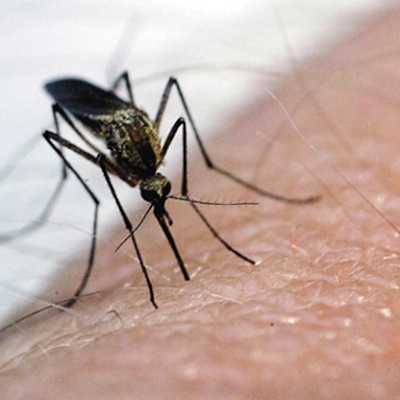
This comes after the Centers for Disease Control and Prevention said the number of cases of diseases that are transmitted by ticks, mosquitoes, and other insects more than tripled nationally between 2004 and 2016 (27,388 cases in 2004, versus 96,075 in 2016).
“Part of DEM’s core mission is encouraging people to get outside and enjoy Rhode Island’s magnificent parks, beaches, and recreational opportunities, but we realize that this comes with the risk of exposure to mosquitoes, ticks, and other biting insects. Fortunately, there are many common-sense ways that Rhode Islanders can protect themselves by preventing bites. With our colleagues at the Department of Health, we’re glad to offer these tips to have a safe summer,” said DEM Director Janet Coit.
GET THE LATEST BREAKING NEWS HERE -- SIGN UP FOR GOLOCAL FREE DAILY EBLASTRI DEM offers the following advice for protection against mosquitoes and ticks:
Mosquitoes
- Remove anything around your house and yard that collects water; just one cup of water can produce hundreds of mosquitoes.
- Clean gutters and downspouts to ensure proper drainage, and repair holes in window screens.
- Remove any water from unused swimming pools, wading pools, boats, planters, trash and recycling bins, tires, and anything else that collects water, and cover them.
- Change the water in birdbaths at least two times a week, and rinse out birdbaths once a week.
- Use EPA-approved bug spray with one of the following active ingredients: DEET (20-30% strength), picaridin, IR3535, and oil of lemon eucalyptus or para-menthane-diol.
- Minimize outdoor activity at dawn and at dusk when mosquitoes are most active.
- Put insect netting over strollers and playpens.
- Wear long sleeves and long pants whenever possible, particularly if you are outdoors during dawn and dusk.
Horses are particularly susceptible to WNV and EEE. Horse owners are advised to vaccinate their animals early in the season and practice the following:
- Remove or cover areas where standing water can collect.
- Avoid putting animals outside at dawn, dusk, or during the night when mosquitoes are most active.
- Insect-proof facilities where possible and use approved repellants frequently.
- Monitor animals for symptoms of fever and/or neurological signs (such as stumbling, moodiness, loss of appetite) and report all suspicious cases to a veterinarian immediately. If you are unsure if your horse is properly vaccinated you should consult with your veterinarian.
Ticks
- Repel: Wear long pants and long-sleeve shirts when outdoors. Wear light-colored clothing. Tuck pants into socks so that ticks do not crawl under clothing.
- Consider wearing tick-repellant clothing treated with permethrin when going outside in tick habitat and treating your yard with tick-killing insecticides.
- Use EPA-approved bug spray with one of the following active ingredients: DEET (20-30% strength), picaridin, IR3535, and oil of lemon eucalyptus or para-menthane-diol.
- Check yourself and your family daily for ticks, especially if you spend a lot of time outside in grassy or wooded areas. Don't forget to check your pets, too, and use products that rapidly kill or repel ticks on pets. Deer ticks, the kind that carry Lyme disease, are often small (poppy seed-sized) in their nymphal (immature) stage.
- Remove: If you find a tick, properly remove it with tweezers. Tick removal within 24 hours of attachment can prevent Lyme transmission.
20 Things to Look Forward to in New England This Summer - 2019

Sipping Del's Lemonade on a Hot Day
While you can probably find Del's Lemonade somewhere during any month of the year, drinking it in the winter is just not the same as when it is a hot day in the midst of summer.
As summer approaches, be sure to locate our nearest Del's Lemonade stand.
PHOTO: Krista Guenin/Flickr Commons

Waterfire
Providence, RI
Waterfire is back for the summer and it's an event and experience that must be had.
As GoLocalProv reported, WaterFire will begin the 2019 season with a basin lighting on Thursday, May 23 or the National Association of State Treasurers Treasury Management Training Symposium and the first full lighting of the season will be Saturday, June 22.
Waterfire is Providence's signature event bringing in people from all over New England and the country to see it.
A great night out for families and couples alike.
PHOTO: Waterfire

Visiting Southwick Zoo
Mendon, Ma
Can't wait to get back to the zoo and visit the animals at Southwick Zoo.
Be sure to check out the giraffes.
The Zoo is open 10 a.m. to 5 p.m.
Click here for more information.

Taking a Cruise on Lake Winnipesaukee aboard the M/S Mount Washington
New Hampshire
Lake Winnipesaukee offers some of the best scenery in all of New England and there is no better place to see it from then the M/S Mount Washington.
Click here for more information.
PHOTO: Winnipesaukee.com

The Burlington Discover Jazz Festival
Burlington, Vermont
The Burlington Discover Jazz Festival takes place from May 31 to June 19 in downtown Burlington, Vermont.
This 10 day celebration features four stages with free live music from Patti Labelle, Tank and the Bangas and more.
The festival also will feature local food and much more.
For more information, click here.
PHOTO: kingkongphoto/Wikipedia

Walking Along Roger Wheeler State Beach
Narragansett, RI
Look forward to taking a stroll all the way from chair six to chair one as the waves crash along the shore.
PHOTO: RI DEM

Taking a Cruise on a Windjammer
Maine
Head to Maine and sleep aboard a National Landmark, the Maine Windjammer Fleet.
Go on a three, four or six-day cruise and get closer than ever before to wildlife like whales, eagles, and porpoises while you see some of the best coastal scenery that North America has to offer.
Click here for more information.
PHOTO: Maine Windjammer Association

PVDFest
Providence, RI
After another successful festival last year, PVDFest returns to Providence for the fourth year and will take place from June 6 to June 9.
The festival will bring in art, music, performances and more from all over the United States and the world for the free outdoor festival.
Click here for more information.

Catching a Worcester Bravehearts Game
Worcester, Ma
Year after year, the Worcester Bravehearts are one of the best baseball teams in New England.
They bring in some of the best college talent from across the region to compete for the Futures League Championship.
Don't miss a game.
Click here for more information.

Newport Folk Festival
Newport, RI
The Newport Folk Festival is set to be held from July 26-28 and will feature bands such as Sheryl Crow, Hozier and more.
Don't miss out on one of the biggest concert events of the summer.

Visiting Cape Playhouse Theatre
Cape Cod
Taking a ride to Cape Cod and visit the oldest summer theatre in the country, Cape Playhouse. Cape Playhouse was first opened in 1927 by Raymond Moore.
The theatre has been home to some of the biggest stars to ever grace a stage like Bette Davis, Humphrey Bogart amongst others.
It opens for the summer on June 12 with "The Importance of Being Earnest."
Click here for more information

Participating in the Worcester World Cup 2019
Worcester, MA
The 2019 Worcester World Cup is set to take place from Friday, August 19 to Sunday, August 11.
The Worcester World Cup is more than a soccer tournament. It's a celebration of Worcester and a safe, friendly family event that people look forward to all year.
Click here for more information
PHOTO: Worcester World Cup event page

Newport Jazz Festival
Newport, RI
The 2019 festival is set to take place from Friday, August 2 to Sunday, August 4.
The festival will show off over 50 individual jazz ensembles on four stages including performances at the International Tennis Hall of Fame and Fort Adams State Park.
Click here for more information
PHOTO: Newport Jazz Festival

Seeing a Movie at the Rustic Drive-In
North Smithfield
Look forward to Calling up your friends, pack a picnic, and sit in your car as feature films are projected on giant outdoor screens.
The audio plays right through your radio, so be sure to turn the volume up high as you snack on your candy and popcorn.
Click here for more information
PHOTO: Swampyank/Wikipedia

Zip Lining in the Berkshires
Looking for something new and exciting? Head to the Berkshires and get yourself on a zip line, maybe even do a canopy tour.
There are three different tour options, starting with the base area tour which lasts an hour or the Moutain Top or Valley Jump tour which takes three hours. Both of those are sure to shoot some adrenaline into your day.
Click here for more information
PHOTO: Khaufle/Wikipedia

Eating a Clam Cake From Flo’s
Portsmouth, Middletown
Be excited about heading to Flo's and taking a bite of a Flo’s clam cake and you’ll understand why they’ve been around since 1936.
Dip it in a side of tartar sauce or enjoy as is.
Click here for more information

Boston Calling
Boston, Ma
Boston Calling, the first New England music festival of the season kicks off in downtown Boston on the weekend of May 24 to the 27.
The festival features a performance from Twenty One Pilots and much more.
Click here for more information
PHOTO: Adam Elmakias/Wikipedia

Vermont Summer Festival
Manchester, Vermont
The Vermont Summer celebration features everything from horses to shopping at onsite boutiques and plenty of places for food and drinks.
The celebration takes place from July 2 through August 11.
Click here for more information
PHOTO: Vermont Summer Festival website

Playing Golf at Harbor Lights
Warwick, RI
Harbor Lights in Warwick offers golfers a great place to tee it up this summer.
Not to mention the amazing scenery and the great food at the Par + Tackle restaurant.
Click here for more information
PHOTO: Harbor Lights

RI International Film Festival
Across RI
The Rhode Island International Film Festival will celebrate their 36th anniversary beginning on August 6 and going through August 11.
The Festival features the best local films made with some of the best local talent.
Click here for more information


