


RI Fishing Industry Faces Extinction under Federal Regulations
Stephen Beale, GoLocalProv News Contributor
RI Fishing Industry Faces Extinction under Federal Regulations
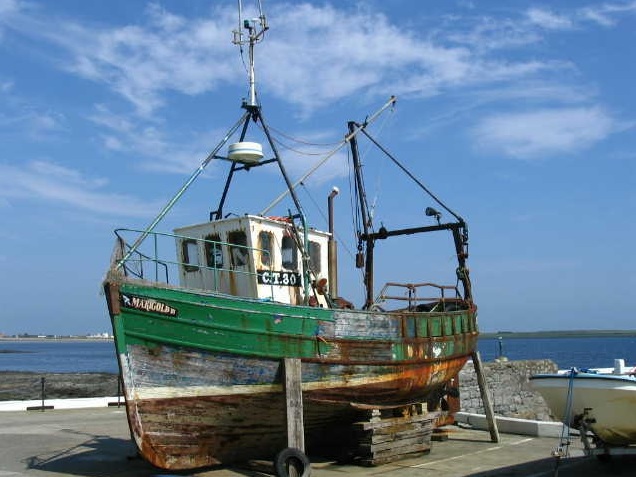
Increasingly restrictive federal regulations have cut the commercial fishing fleet in half over the last four years and are imperiling its future, according to Richard Fuka, the president of the Rhode Island Fishermen’s Alliance.
“We’re at a dangerous low level,” Fuka said. If the fleet is diminished any further, Rhode Islanders could see a local heritage industry “slip away” and become “a museum piece,” Fuka says. Further tightening federal regulations he says could be just thing that pushes the industry over the edge, according to Fuka. (See below slides for data on the decline.)
GET THE LATEST BREAKING NEWS HERE -- SIGN UP FOR GOLOCAL FREE DAILY EBLASTFuka said things took a decided turn for the worse after President Obama took office and his new appointee for the National Oceanic and Atmospheric Agenda has pursued a more aggressive regulatory agenda. But he says the industry was already chafing under regulations passed in the later years of the Bush administration.
Fishing contributes more than half a billion to RI economy
Data from an October 2011 study conducted by Cornell University confirm that the commercial fishing industry in Rhode Island was in decline, even before the full effect of the new regulations was felt. The number of state-licensed boats dropped from 1,488 to 1,298 between 2005 and 2011. Likewise, the demand for many state licenses has dried up. In 2011 the state issued 1,017 multi-purpose licenses. In 2011, it issued 867.
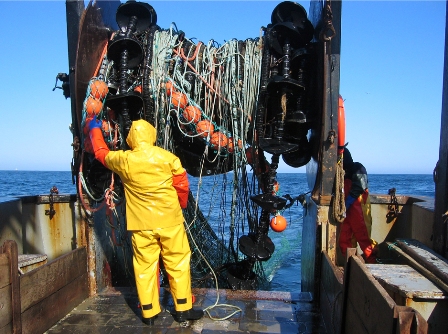
The fishing industry is a vital economic sector for Rhode Island. In 2010, commercial fishing generated a total of $763.3 million in sales and $239.9 million in income, when its indirect impact on distributors, restaurants, and grocers is taken into account, according to the study. The number of jobs related to the industry stood at 8,995.
The local restaurant industry is particularly reliant on commercial fishing, which generated $52.3 million in sales and $86.2 million in income for restaurants, along with 4,207 jobs, the data shows.
Congressmen push back at federal level
“The importance of the fishing and marine trades industries to our state’s economy cannot be overstated, and I am very concerned about the problems facing fishermen today,” Congressman Jim Langevin said in a statement provided to GoLocalProv. “Despite our fishermen adhering to strict catch limits designed to prevent overfishing, stock rebuilding has been unexpectedly slow. We must look at all factors affecting stock recovery, including environmental variables such as climate change.”
Langevin, whose district encompasses many of the communities with large fishing ports, said he has been an advocate for increased funding for local fisheries, especially funds from disaster-relief sources.
He has also jointed with Senator Jack Reed to introduce a measure known as the Rhode Island Fishermen’s Fairness Act, which he said would “give our state’s fishery professionals a stronger voice” in the industry. “The legislation would create two new spots for Rhode Island on the Mid-Atlantic Fisheries Management Council, so our fishermen have a say in the management of fish stocks important to the Rhode Island economy, including squid, mackerel and butterfish,” Langevin said.
Kilmartin argues that federal regulators ignore economic impact
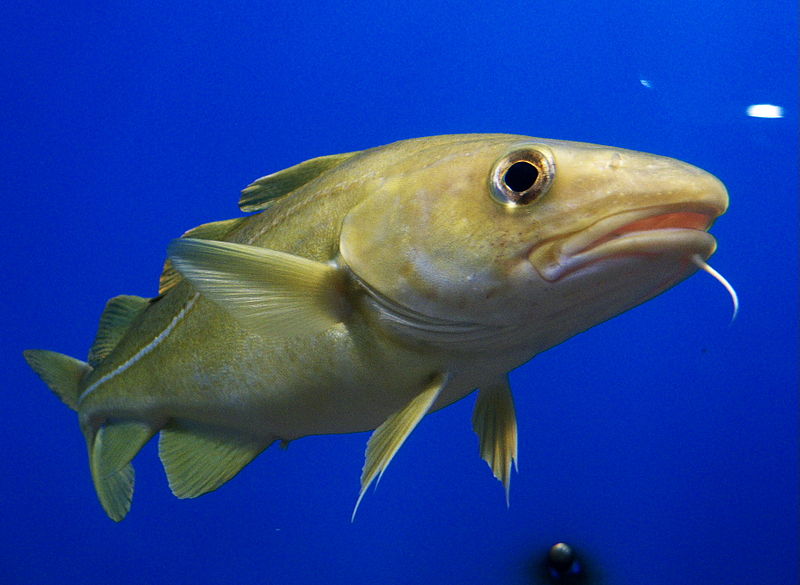
The deepening concern over the future of fishing in Rhode Island also led state Attorney General Peter Kilmartin this week to file a court brief in support of a Massachusetts lawsuit against federal regulations that impose lower quotas on certain types of groundfish—fish like cod, halibut, and haddock which are found near the bottom of the sea floor. The new quotas threaten to drop the amount of fish Bay State fishermen can catch by 77 percent, according to Kilmartin’s office.
In his brief, Kilmartin said federal regulators did not properly account for the economic impact of the new regulations.
Because local fishermen have a more diverse stock of fish, the impact of the quotas—which apply to the region stretching from New York to Maine—will be less severe in Rhode Island. “We have a much more diverse fleet, so we’re able to weather this storm even though this lawsuit is extremely important to us,” Fuka said.
Kilmartin is hoping to pre-empt federal regulators from taking similar steps here, according to spokeswoman Amy Kempe. “It could just as easily be Rhode Island next time,” Kempe said.
“For now it appears that Rhode Island will most likely escape the devastating impact that the Commonwealth is facing,” Kilmartin says in the brief. “However, it is clear that if the Secretary [of Commerce] imposed the same draconian reductions upon Rhode Island’s top commercial landings, the impact would be devastating to the Rhode Island Fishing community.”
The federal regulations at issue
The regulation Rhode Island fishermen find particularly burdensome is known as “catch-share.” It’s a system that allocates certain quotas of fish to groups of fishermen from New York to Maine. Those groups decide how to divvy up the their share of the fish quotas they are allowed, according to Maggie Mooney-Seus, a public affairs officer for NOAA’s Northeast Regional Office, in Gloucester, Mass.
Fuka said the catch-share program is inflexible because it bases quotas on historical records for the numbers of different species caught by local boats. Mooney-Seus, on the other hand, said catch-share is a more flexible alternative to even stricter groundfish quotas that were developed in 2010. Generally speaking, those quotas impose limits on individual boats, rather on groups of fishermen.
Mooney-Seus said fishermen in the northeast region have the choice to operate under the individual quotas or participate in the catch-share program. Rhode Island fishermen are represented in both programs, she said.
Mooney-Seus said the goal of the regulations is the rebuilding of depleted fish stocks, in compliance with certain criteria spelled out in federal law. “The quotas are strict and the quotas have been cut—and pretty drastically since 2010,” Mooney-Seus said.
Even though environmental factors, rather than overfishing, may be behind some drops in fish populations, she said the only tool NOAA has at its disposal is regulations on fishing quotas. So, if the agency sees a fish struggling to come back, it must reduce the effort to fish that species, she said.

NOAA data shows deep cuts in the regional quotas of fish, which typically change each fishing year (May 1 to April 30). For example, in 2012, fishermen from Southern New England to Down East Maine could haul in 162 metric tons of cod fish off George’s Bank—a large elevated area of the sea floor about 60 miles offshore between Cape Cod and Nova Scotia. In 2013, that quota (or catch limit) was cut nearly in half—to 92 metric tons.
Some of the most severe cuts were for haddock found off Georges Bank, for which the catch limit in 2013 plummeted by 71 percent of what was allowed in 2012. For the yellowtail flounder, the reduction was 68.5 percent.
On a regional level, however, a closer look at the data suggests that quotas are not as restrictive as they might seem. For example, while regional fishermen were allowed 162 metric tons of cod off Georges Bank in 2012, they only took in 67.5 metric tons. Presumably, then, a catch limit of 92 metric tons would not necessarily alter their catch.
However, the figures Mooney-Seus provided were for the entire region of groundfish her office monitors, which stretches from New York to Maine. On a smaller scale, those limits could force deep cuts into local fishing efforts. For example, while the regional stock of cod has been severely depleted, the stock in one area (such as Gloucester, Mass.) might be thriving. From their point of view, the new quotas might seem to be an unnecessary and undue burden on their business.
“To some degree, it is still a matter of perspective,” Mooney-Seus said.
Stephen Beale can be reached at [email protected]. Follow him on Twitter @bealenews
RI Fishing Industry's Decline by the Numbers

Sales from Catches
2006 to 2010 Change
Reduction: $38.1 million
Percent Change: 38.6%
2006 sales: $98.5 million
2010 sales: $60.4 million
Last year sales were below $60 million: 1982
1982 sales adjusted for inflation: $126 million
Source: Cornell University Cooperative Extension Marine Program
Photo: Flickr/kamsky

State-Licensed Boats
2005 to 2011 Change
Decline in # of Licensed Vessels: 190
Percent Change: -12.7%
Number of State-Licensed Vessels
2005: 1,488
2011: 1,298
Source: Cornell University Cooperative Extension Marine Program

State Licenses Issued
Multi-purpose License
2006 to 2011 Change
Decline in # of Licenses: 150
Percent change: -14.7%
Number of State Licenses Issued By Year
2006: 1,017
2007: 973
2008: 939
2009: 917
2010: 887
2011: 867
Source: Cornell University Cooperative Extension Marine Program
Photo: Flickt/Eric Molina

Federally-Licensed Boats
Decline in # of Licensed Vessels: 8
Percent Change: -2.1%
Number of Federally-Licensed Boats
2005: 367
2010: 359
Source: Cornell University Cooperative Extension Marine Program
Photo: Flickr/James Brooks

Groundfishing Vessels '09
Point Judith Total: 32
Rhode Island Total: 60
Connecticut Total: 8
Massachusetts Total: 312
Northeast Total: 570
Note: Groundfish are those that dwell on the bottom of the sea. They include fish such as cod, halibut, haddock, and flounder. The Northeast includes the coastal New England states along with New York and New Jersey. Only those vessels that had revenue from at least one groundfish trip are counted.
Source: NOAA
Photo: Flickr/Liz West

Groundfishing Vessels '11
Point Judith Total: 28
Rhode Island Total: 49
Connecticut Total: 5
Massachusetts Total: 224
Northeast Total: 420
Note: Groundfish are those that dwell on the bottom of the sea. They include fish such as cod, halibut, haddock, and flounder. The Northeast includes the coastal New England states along with New York and New Jersey. Only those vessels that had revenue from at least one groundfish trip are counted.
Source: NOAA
Photo: Flickr/bob19156

Groundfishing Vessels % Decline
% Change 2009-20011
Point Judith: -12.5%
Rhode Island: -18.3%
Connecticut: -37.5%
Massachusetts: -28.2%
Northeast Total: -26.3%
Note: Groundfish are those that dwell on the bottom of the sea. They include fish such as cod, halibut, haddock, and flounder. The Northeast includes the coastal New England states along with New York and New Jersey. Only those vessels that had revenue from at least one groundfish trip are counted.
Source: GoLocalProv analysis of NOAA data.
Photo: Flick/NickSarebi

Groundfishing Value
Change 2007 to 2010: -$7.8 million
Percent Change 2007 to 2010: -22.4%
Values by Year
2007: $34.7 million
2008: $30.8 million
2009: $23.5 million
2010: $26.9 million
Note: Above data is for groundfishing by permitted vessels which are home-ported in Rhode Island. Annual data corresponds to the fishing year, which is from May 1 of one calendar year to April 30 of the next.
Source: Cornell University Cooperative Extension Marine Program
Photo: Flickr/BrianPocius

Groundfishing Jobs
Change 2007 to 2010: -48
Percent Change 2007 to 2010: -15.9%
Number of Crew Positions by Year
2007: 301
2008: 278
2009: 268
2010: 253
Note: Data above are the totals for the Rhode Island home-ported vessels engaged in groundfishing. Annual data corresponds to the fishing year, which is from May 1 of one calendar year to April 30 of the next.
Source: Cornell University Cooperative Extension Marine Program
Photo: Flickr/Ted Kerwin

Groundfishing Trips
Change 2007 to 2010: -3,492
Percent Change 2007 to 2010: -21.3%
Number of Crew Positions by Year
2007: 16,353
2008: 14,515
2009: 13,676
2010: 12,861
Note: Crew trips provide an indicator of changes in earnings, as crew members are typically paid per trip. A decline in trips corresponds to a decline in opportunities to share in trip earnings. Data above are the totals for the Rhode Island home-ported vessels engaged in groundfishing. Annual data corresponds to the fishing year, which is from May 1 of one calendar year to April 30 of the next.
Source: Cornell University Cooperative Extension Marine Program
Photo: Flickr/Mike Baird

Fish Sales: Economic Value
Total Contribution in 2010
Sales: $150.3 million
Income: $106.3 million
Jobs: 4,968
Economic Areas Benefitting
Harvesting
Primary Dealers/Processors
Restaurants
Grocers
Note: Data shows the economic contributions of sales from catches that are sold in Rhode Island to the state economy. Complete data over a period of time was not available from the sources used. The data is meant simply to show the importance of the fishing industry to the overall economy.
Source: Cornell University Cooperative Extension Marine Program
Photo: Flickr/vv@ldzen

Fish Sales: Value to Restaurants
Economic Contributions in 2010
Sales: $8.7 million
Income: $5.2 million
Jobs: 2,811
Note: Data shows the economic contributions of sales from catches that are sold in Rhode Island to the state economy. The specific contribution made to the restaurant industry is shown above. Complete data over a period of time was not available from the sources used. The data is meant simply to show the importance of the fishing industry to the overall economy.
Source: Cornell University Cooperative Extension Marine Program
Photo: Flickr/A. Davey

Commercial Fishing: Total Economic Value
Comprehensive Estimate of Commercial Fishing’s Total Contribution to RI Economy in 2010
Sales: $763.3 million
Income: $239.9 million
Jobs: 8,995
Note: Data shows the total contribution the commercial fishing industry makes to the Rhode Island economy. Complete data over a period of time was not available from the sources used. The data is meant simply to show the importance of the fishing industry to the overall economy.
Source: Cornell University Cooperative Extension Marine Program

Commercial Fishing: Value to Restaurants
Comprehensive Estimate of Commercial Fishing’s Total Contribution to the Restaurant Industry in 2010
Sales: $34.9 million
Income: $57.6 million
Jobs: 2,811
Note: Data shows the total contribution the commercial fishing industry makes to the Rhode Island economy. Above, the specific contribution the commercial fishing industry makes to the restaurant industry is shown. Complete data over a period of time was not available from the sources used. The data is meant simply to show the importance of the fishing industry to the overall economy.
Source: Cornell University Cooperative Extension Marine Program

RI Seafood Industry Job Decline
Seafood Commercial Establishments and Employees
Change from 2005 to 2008
Change in # Establishments: -6
Change in # Employees: -63
Changes in Jobs by Year
2005: 714
2006: 646
2007: 602
2008: 651
Source: Cornell University Cooperative Extension Marine Program


