


RIDOT Refuses to Allow Access to 6/10 Site for Independent Soil Samples
GoLocalProv News Team
RIDOT Refuses to Allow Access to 6/10 Site for Independent Soil Samples
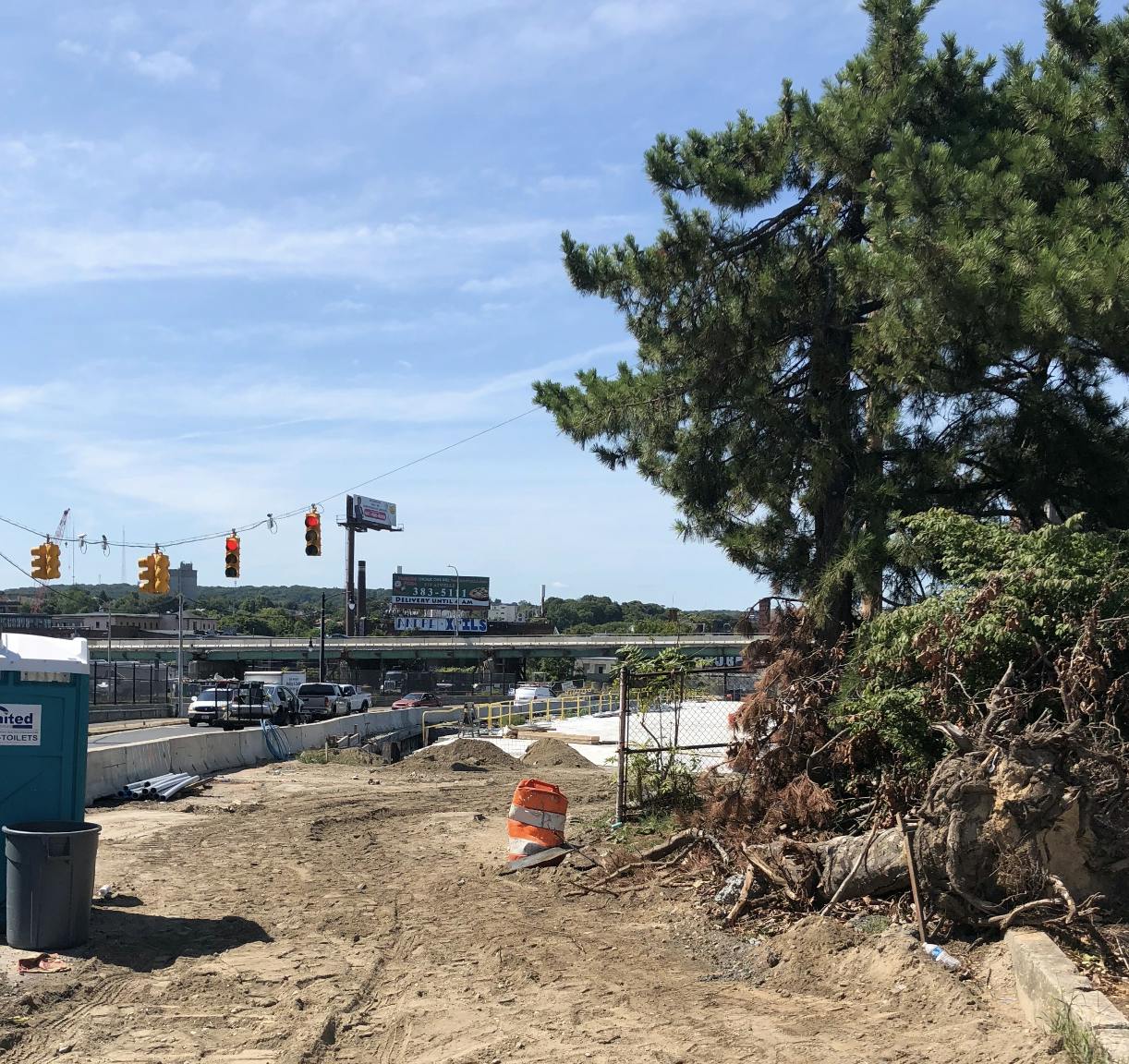
The request for access to the RIDOT comes after allegations by one of Rhode Island’s top construction union officials that one of the contractors on the $410 million site has improperly transported soil that the union says is contaminated.
Of the total project cost, Barletta and its partners in the 6-10 Constructors Joint Venture's portion of the project is $247 million. The project was awarded to 6-10 Constructors Joint Venture after it was, the Barletta entities claim, the low bid by “more than 80 million dollars.”
GET THE LATEST BREAKING NEWS HERE -- SIGN UP FOR GOLOCAL FREE DAILY EBLASTOn Tuesday, GoLocal first reported accusations and corresponding test results provided by top union leader James White, President of Local 57 of the International Union of Operating Engineers, that contaminated soil was being transported from a construction site in Massachusetts and from the Pawtucket/Central Falls Commuter Rail Station and Bus Hub and dumped as fill on the site in the Olneyville neighborhood.
GoLocal took the courtesy of reach out to the RIDOT Director’s office to request access. In an email to RIDOT’s Charles St. Martin sent Wednesday, GoLocal CEO Jost Fenton wrote, “GoLocal is requesting access to the 6/10 site to inspect and to collect samples. We have engaged a third-party licensed testing firm to collect samples - we would like to meet on-site either this afternoon [Wednesday] or first thing [Thursday] morning. Please provide a contact for the site visit.”
RIDOT officials regularly hold press conferences on worksites.
In response, RIDOT’s St. Martin wrote, “No, you do not have permission to access the site. We do not allow access to active construction sites. As we told you previously, we are having the soil independently tested and the results should be in shortly.”
Testing in Question
White has told GoLocal that the union is concerned that RIDOT is not sampling the material believed to be contaminated.
GoLocal responded to St. Martin's denial, “You provide access to media all the time. We are can work the schedule and meet RIDOT officials at an agreed-upon time period to ensure proper safety. Why would you have any objection to a third party firm testing, affirming the chain of custody [of soil samples]?”
St. Martin did not respond to that email.
White says that the construction firm at the center of the allegations is the Massachusetts-based Barletta Engineering/Heavy Division. which is one of the lead firms on the $410 million 6/10 Reconstruction project. The companies hired by RIDOT for the 6/10 project are called the "6/10 CONSTRUCTORS JOINT VENTURE." That joint venture has been paid in the past three-plus fiscal years $130,649,808, according to Rhode Island state records.
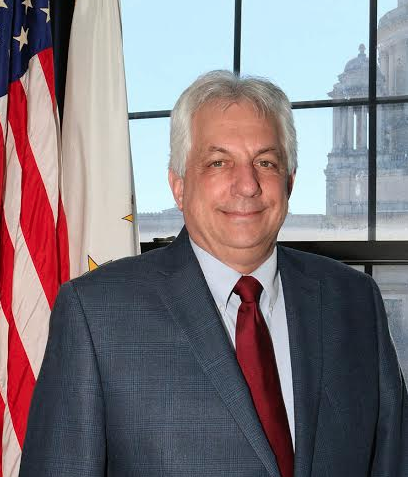
White said, “I first brought concerns to Barletta in July and they did nothing. Our folks are trained in identifying hazardous materials and we had concerns about the soil materials they were bringing on to the site.” White had also raised concerns with RIDOT's Director Peter Alviti in letters starting in early August and wrote separately to RI Department of Environmental Management Director Janet Coit.
White wrote yet another letter to Alviti. In an August 31 communication, White wrote, "Recent concerns regarding hazardous materials being trucked into the State, and being used as fill, on the Route 6/10 project prompted my organization to have soil samples gathered and tested. Attached you will find the results of these laboratory findings.’
“One chemical was found to be more than double the acceptable limits. Dibenzo(a,h)anthracene. This substance is ‘highly genotoxic and it intercalates into DNA and causes mutations." (Genotoxic agents are mutagenic or carcinogenic when inhaled, ingested or penetrate the skin). Another chemical was found to be more than four times the acceptable limits. Benzo (a)pyrene. This substance is ‘mutagenic and highly carcinogenic’ (cancer-causing and changes the genetic material of DNA),” wrote White.