


Sean “Diddy” Combs Cleared of Most Serious Charges, Convicted on Prostitution Charges
GoLocalProv News Team
Sean “Diddy” Combs Cleared of Most Serious Charges, Convicted on Prostitution Charges
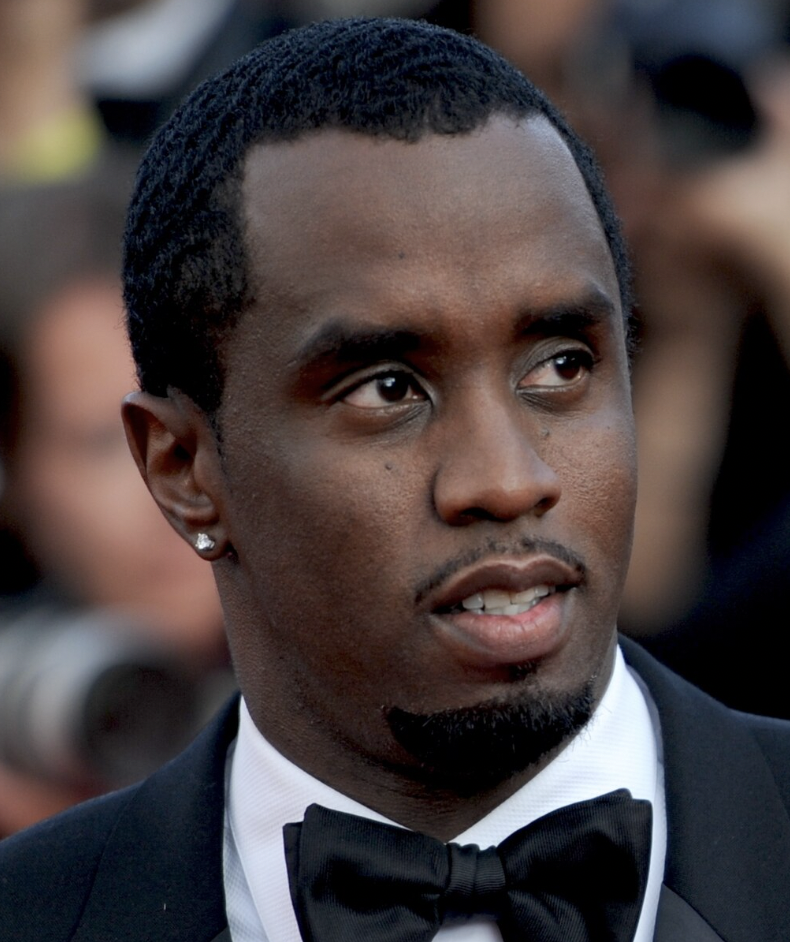
The verdict in the trial of Sean “Diddy” Combs was delivered in a Manhattan courtroom after weeks of testimony and public attention. The jury’s decision, announced on Wednesday morning, concluded a lengthy trial that garnered worldwide interest.
Combs faced five federal charges: one count of racketeering conspiracy, two counts of sex trafficking by force, fraud, or coercion, and two counts of transportation for purposes of prostitution. The racketeering charge carried a possible life sentence, while the sex trafficking counts each carried mandatory minimums of 15 years and up to life, and the transportation charges up to 10 years each.
GET THE LATEST BREAKING NEWS HERE -- SIGN UP FOR GOLOCAL FREE DAILY EBLASTThe jury of eight men and four women began deliberations on June 30. After about 13 hours over two days, they reached a partial verdict. They had decided on four of the five counts but were deadlocked on the racketeering conspiracy charge. In a note to Judge Arun Subramanian, the foreperson said some jurors held firm opinions on both sides, making consensus impossible on that charge.
Judge Subramanian asked the jury to continue deliberations, stressing the importance of a unanimous verdict, especially on the racketeering charge, which prosecutors called central to their case. Both sides agreed that more discussion was needed before declaring a mistrial on that count.
The jury returned with their decisions. They found Combs not guilty on the two sex trafficking counts and the racketeering conspiracy charge. However, they found him guilty on two counts of transportation for the purpose of prostitution.
The trial included testimony from more than thirty government witnesses, including former assistants, stylists, and artists. Key to the prosecution’s case was the testimony of Cassandra Ventura, known as Cassie, Combs’ former girlfriend. Ventura described her relationship with Combs, alleging coercion, violence, and forced participation in parties that prosecutors argued were trafficking. The jury also saw surveillance footage and photographs, as well as testimony from a male escort allegedly hired by Combs.
Combs’ defense did not call any witnesses, relying on cross-examination to argue that the prosecution’s case was exaggerated and that the encounters were consensual. They said Combs was on trial for his lifestyle, not for crimes, and pointed to a lack of direct evidence connecting him to organized crime.
The verdict drew mixed reactions. Supporters of the accusers were disappointed that Combs was acquitted on the most serious charges, while his family and legal team were relieved he avoided a life sentence. The two guilty verdicts on transportation for prostitution still carry significant legal consequences, with sentencing to be determined later.
After the verdict, Combs spoke with his attorneys and family. The partial acquittal and partial conviction left both sides considering the outcome of a trial that examined the private life of a major music figure and raised questions about power, consent, and responsibility in the entertainment industry.
This story was written with content from Perplexity