


RI State Pension Has Not Grown Under Raimondo and Magaziner
Russell J. Moore, GoLocal Contributor
RI State Pension Has Not Grown Under Raimondo and Magaziner

According to the State Investment Commission report based on data from January 31, 2016, the state pension fund was worth $7.26 billion dollars. According to data based on a report from January 20, 2011, as of December 31, 2010, the pension fund was worth $7.25 billion.
Rhode Island Treasurer Seth Magaziner's spokesman David Ortiz said that shouldn't raise red flags, saying the fund will remain solvent. The pension fund will also be fully funded in 25 years, he said.
GET THE LATEST BREAKING NEWS HERE -- SIGN UP FOR GOLOCAL FREE DAILY EBLASTDoes Size Matter?
"That was the whole point of the state pension reform from 2011," said Ortiz.
The pension fund is an old pension fund. That means it has a great deal of retirees that it pays benefits to every month. Last year, the pension fund paid out about $900 million in benefits. The fund has paid more in benefits than it's received in contributions since 1991.
There are currently 24,466 active employees, comprised of state workers and teachers currently paying into the system according to documentation provided by the Treasurer's Office. There are 21,493 retirees collecting pension benefits.
Negative Cash Flow

The state pension reform of 2011 reduced the state's liability to retirees by changing the system from a defined benefit plan by capping retirees benefits at 30 percent percent of salary (and creating a defined contribution system). It was previously 70 percent. But it also reduced employee contributions to the plan. That's put a downward pressure on the pension fund's size.
To understand why size doesn't mean everything when judging a pension fund's performance, it helps to think about the inverse. Imagine a newly formed fund that didn't have any retirees. Even if the fund lost money every year, it would still grow. That's because employees would put money into the fund and nobody would get benefits.
Investment Questions
That's why Michael Riley, a finance professional from Narragansett who is a partner at Beach Street Financial Services and also writes MINDSETTER columns for GoLocalprov.com, agrees with Treasurer Magaziner's assessment on the size of the fund.
"The significant factors are the level of contributions and calculation of ARC and the cost of benefits. The state is in a negative cash flow condition. If there were zero investment returns the fund would decline, because they are paying out more than they are taking in," said Riley.
"Just because they made a return doesn't mean there will be more money in the fund over time."
Overly Complex Investments?
That doesn't mean Riley agrees with the management of the Rhode Island pension. While Riley is a proponent of alternative investments (hedge funds, private equity), he said the state has done a poor job in selecting them.
"The pension fund is way too complex and expensive and there are a lot of cracks in monitoring their investments," said Riley.
"The state should not be betting on junk bonds and Puerto Rican debt, but they are exposed to those through their hedge fund holdings that were supposed to reduce risk."
$1.5 billion Left On Table?
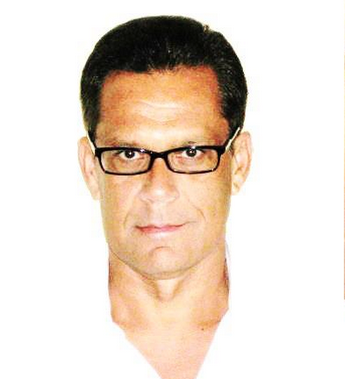
"We calculated that the fund has under performed by $1.5 billion, regardless of its significant cash outflow," said Siedle.
"My take is that if the fund had been managed properly, the value would be closer to $9 billion right now."
What Would Buffet Do?
Siedle refers to billionaire Omaha-based investor Warren Buffet's famous $1 million bet. Buffet bet a New York fund manager that the S&P 500 would outperform a composite average of hedge funds. The bet takes place over a 10-year period. About 6 years in, he's way ahead.
"Why doesn't Rhode Island just invest the same way Warren Buffet recommends? It's because there's little political advantage in generic, index fund investments," said Siedle.
The state pension fund has posted an average return of 9.77 percent over the last five fiscal years, according to Ortiz. The S&P 500, by comparison, posted a return of 14.1 percent over that same time period.
Diversification Tactic
But Ortiz said that the state invests in alternative investments to diversify the fund. That protects it from bad market years, he said. Ortiz pointed to the market downturn of 2008, the ensuing recession and investment losses to the pension fund that resulted, as proof that the state should diversify its investment.
"Volatility is something we seek to avoid. When you're less funded than you'd like to be, a diversification strategy is a good way to protect against volatility," said Ortiz.
Siedle said that he's never seen a politician acknowledge poor investment decisions.
"You're never going to see a public pension fund acknowledge under performance," said Siedle.
Pension Fund Management Fees

38.
TPG Partners IV
Total Money Committed: $13,953,742
Money Provided: $13,889,321
Money Not Provided: $64,421
Management Fee: .05%
Amount of Fee for Money Not Provided: $322

37.
Castile III
Total Money Committed: $5,000,000
Money Provided: $4,850,000
Money Not Provided: $150,000
Management Fee: 1.00%
Amount of Fee for Money Not Provided: $1,500

36.
Kayne Anderson Energy Fund III
Total Money Committed: $15,000,000
Money Provided: $14,633,574
Money Not Provided: $366,426
Management Fee: 1.00%
Amount of Fee for Money Not Provided: $3,664

35.
Thomas McNerney & Partners
Total Money Committed: $15,000,000
Money Provided: $14,700,000
Money Not Provided: $300,000
Management Fee: 2.00%
Amount of Fee for Money Not Provided: $6,000

34.
Leapfrog Ventures II
Total Money Committed: $10,000,000
Money Provided: $9,490,000
Money Not Provided: $510,000
Management Fee: 1.25%
Amount of Fee for Money Not Provided: $6,375

33.
Point Judith II
Total Money Committed: $5,000,000
Money Provided: $4,536,061
Money Not Provided: $463,939
Management Fee: 1.50%
Amount of Fee for Money Not Provided: $6,959

32.
LNK Partners
Total Money Committed: $12,500,000
Money Provided: $11,871,493
Money Not Provided: $628,507
Management Fee: 1.25%
Amount of Fee for Money Not Provided: $7,856

31.
Kayne Anderson Energy Fund IV
Total Money Committed: $15,000,000
Money Provided: $14,201,594
Money Not Provided: $798,406
Management Fee: 1.00%
Amount of Fee for Money Not Provided: $7,984

30.
W Capital Partners
Total Money Committed: $15,000,000
Money Provided: $14,197,500
Money Not Provided: $802,500
Management Fee: 1.00%
Amount of Fee for Money Not Provided: $8,025

29.
Lighthouse Capital Partners V
Total Money Committed: $11,250,000
Money Provided: $10,462,500
Money Not Provided: $787,500
Management Fee: 1.06%
Amount of Fee for Money Not Provided: $8,348

28.
WLR
Total Money Committed: $8,000,000
Money Provided: $7,234,744
Money Not Provided: $765,256
Management Fee: 1.50%
Amount of Fee for Money Not Provided: $11,479

27.
Lighthouse Capital Partners VI
Total Money Committed: $15,000,000
Money Provided: $14,250,000
Money Not Provided: $750,000
Management Fee: 1.54%
Amount of Fee for Money Not Provided: $11,550

26.
Birch Hill Equity Partners III
Total Money Committed: $16,868,142
Money Provided: $16,249,482
Money Not Provided: $618,660
Management Fee: 2.00%
Amount of Fee for Money Not Provided: $12,373

25.
Trilantic IV
Total Money Committed: $11,098,351
Money Provided: $9,759,061
Money Not Provided: $1,339,290
Management Fee: 1.00%
Amount of Fee for Money Not Provided: $13,393

24.
Fenway III
Total Money Committed: $15,000,000
Money Provided: $13,590,494
Money Not Provided: $1,409,506
Management Fee: 1.00%
Amount of Fee for Money Not Provided: $14,095

23.
Bain X
Total Money Committed: $25,000,000
Money Provided: $24,237,500
Money Not Provided: $762,500
Management Fee: 2.00%
Amount of Fee for Money Not Provided: $15,250

22.
Charterhouse Capital Partners VIII
Total Money Committed: $19,443,313
Money Provided: $17,898,663
Money Not Provided: $1,544,650
Management Fee: 1.00%
Amount of Fee for Money Not Provided: $15,447

21.
Centerbridge
Total Money Committed: $15,000,000
Money Provided: $13,909,377
Money Not Provided: $1,090,623
Management Fee: 1.42%
Amount of Fee for Money Not Provided: $15,487

20.
W Capital Partners II
Total Money Committed: $15,000,000
Money Provided: $13,403,309
Money Not Provided: $1,596,691
Management Fee: 1.00%
Amount of Fee for Money Not Provided: $15,967

19.
Leeds Weld Equity Partners IV
Total Money Committed: $10,000,000
Money Provided:$8,900,361
Money Not Provided: $1,099,639
Management Fee: 1.46%
Amount of Fee for Money Not Provided: $16,055
18.
TPG Partners V
Total Money Committed: $20,000,000
Money Provided: $17,671,819
Money Not Provided: $2,328,181
Management Fee: 0.75%
Amount of Fee for Money Not Provided: $17,461

17.
CVC European Equity Partners IV
Total Money Committed: $22,513,310
Money Provided: $19,882,272
Money Not Provided: $2,631,038
Management Fee: 0.75%
Amount of Fee for Money Not Provided: $19,733

16.
TPG VI
Total Money Committed: $10,000,000
Money Provided: $8,307,515
Money Not Provided: $1,692,485
Management Fee: 1.21%
Amount of Fee for Money Not Provided: $20,479
15.
Providence Equity Partners V
Total Money Committed: $25,000,000
Money Provided: $22,842,007
Money Not Provided: $2,157,993
Management Fee: 1.00%
Amount of Fee for Money Not Provided: $21,580

14.
Nautic Partners VI
Total Money Committed: $20,000,000
Money Provided: $18,586,688
Money Not Provided: $1,413,312
Management Fee:1.65%
Amount of Fee for Money Not Provided: $23,320
13.
Providence Equity Partners VI
Total Money Committed: $25,000,000
Money Provided: $22,409,906
Money Not Provided: $2,590,094
Management Fee: 1.00%
Amount of Fee for Money Not Provided: $25,901
12.
CVC V
Total Money Committed: $27,288,860
Money Provided: $23,999,027
Money Not Provided: $3,289,833
Management Fee: 1.00%
Amount of Fee for Money Not Provided: $32,898

11.
Thomas McNerney & Partners II
Total Money Committed: $15,000,000
Money Provided: $13,237,500
Money Not Provided: $1,762,500
Management Fee: 2.00%
Amount of Fee for Money Not Provided: $35,250

10.
Palladin III
Total Money Committed: $10,000,000
Money Provided: $7,446,026
Money Not Provided: $2,553,974
Management Fee: 2.00%
Amount of Fee for Money Not Provided: $51,079

9.
Centerbridge Special Credit Partners II
Total Money Committed: $25,000,000
Money Provided: $18,125,000
Money Not Provided: $6,875,000
Management Fee: 1.50%
Amount of Fee for Money Not Provided: $103,125

8.
MHR Institutional Partners III
Total Money Committed: $20,000,000
Money Provided: $12,625,604
Money Not Provided: $7,374,396
Management Fee: 1.75%
Amount of Fee for Money Not Provided: $129,052
7.
Advent Global Private Equity Fund VII
Total Money Committed: $20,000,000
Money Provided: $8,080,000
Money Not Provided: $11,920,000
Management Fee: 1.50%
Amount of Fee for Money Not Provided: $178,800

6.
Oaktree Capital Management Fund III
Total Money Committed: $20,000,000
Money Provided: $9,600,000
Money Not Provided: $10,400,000
Management Fee: 1.75%
Amount of Fee for Money Not Provided: $182,000

5.
EnCap Energy Fund IX
Total Money Committed: $18,000,000
Money Provided: $3,407,917
Money Not Provided: $14,592,083
Management Fee: 1.50%
Amount of Fee for Money Not Provided: $218,881
4.
CVC VI
Total Money Committed: $20,466,645
Money Provided: $20,466,645
Money Not Provided: $20,304,811
Management Fee: 1.50%
Amount of Fee for Money Not Provided: $304,572
3.
Providence Equity Partners VII
Total Money Committed: $25,000,000
Money Provided: $4,095,723
Money Not Provided: $20,904,277
Management Fee: 1.50%
Amount of Fee for Money Not Provided: $313,564
2.
Riverside VI
Total Money Committed: $20,000,000
Money Provided: $2,464,227
Money Not Provided: $17,535,773
Management Fee: 2.00%
Amount of Fee for Money Not Provided: $350,715
1.
Carlyle Asia Partners IV
Total Money Committed: $30,000,000
Money Provided: $3,453,921
Money Not Provided: $26,546,079
Management Fee: 1.50%
Amount of Fee for Money Not Provided: $398,191


