


U.S. Justice Indicts 7 in RI for $1M ‘Card Cracking' Scheme Tied to Local College Students
GoLocalProv News Team
U.S. Justice Indicts 7 in RI for $1M ‘Card Cracking' Scheme Tied to Local College Students
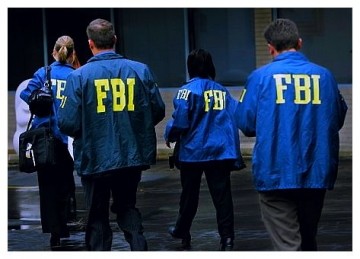
In a “card cracking” scheme, a group of people create counterfeit checks and recruit complicit bank account holders who allow use of their bank accounts to deposit the bogus checks and the use of their ATM cards to withdraw funds prior to the bank determining that the checks are counterfeit, said the U.S. Attorney's office in Providence.
The indictment charges Stefan C. Gaye aka “Swizzy,” 27, Edmilson A. Rodrigues aka “2Fly,” 20, Nestor Concepcion aka “Nestor J,”23, Luis Rodriguez aka “Clout Lord,” 19, Terrell Witherspoon, 23, and Leslie Susana, 20, all of Providence, with conspiracy to commit bank fraud and bank fraud. Shaun Dennis, 25, of Providence, is charged with conspiracy to commit bank fraud.
GET THE LATEST BREAKING NEWS HERE -- SIGN UP FOR GOLOCAL FREE DAILY EBLASTThe return of the indictment is announced by United States Attorney Aaron L. Weisman, Providence Police Chief Colonel Hugh T. Clements, Jr., Special Agent in Charge of the U.S. Secret Service Stephen Marks, Inspector in Charge of the U.S. Postal Inspection Service Joseph W. Cronin, Special Agent in Charge of the FBI Boston Division Joseph R. Bonavolonta.
It is alleged that over the past six years, members of the conspiracy created and deposited in banks in Rhode Island and Massachusetts approximately a million dollars worth of bogus checks.
According to the U.S. Attorney's office in Providence, Stefan Gaye and Terrell Witherspoon have been arrested and arraigned in U.S. District Court. Nestor Concepcion, Luis Rodriguez, and Shaun Dennis are currently detained at the ACI on unrelated charges and will be appear in U.S. District Court for arraignment on May 6, 2019. Arrest warrants have been issued for Edmilson Rodrigues and Leslie Susana.
According to the American Bankers Association:
Banks and law enforcement are cracking down on an emerging scam known as “card cracking.” Card cracking is a form of fraud where consumers respond to an online solicitation for “easy money” and provide a debit card for withdrawal of fake check deposits.
Criminals use social media platforms like Facebook, Twitter, or Instagram to solicit consumers, often targeting people between the ages of 19 and 25 years-old, as well as college students, newly enlisted military and single parents.
Customers who respond to these solicitations, now accomplices, provide a debit card, PIN and online credentials to give the criminal direct access to their account. The fraudster deposits worthless checks using mobile deposit and immediately withdraws the funds at an ATM. The customer then calls to report a stolen card or compromised credentials. The bank reimburses the customer for funds lost and the criminal provides the customer with a cut of the money withdrawn using worthless checks.
This story was first published 4/29/19 12:01 PM