


Whitcomb: Armory, Our Inconvenient Castle; Bikes and Business; ‘Woke’ Myth; RIP Reynolds
Robert Whitcomb, Columnist
Whitcomb: Armory, Our Inconvenient Castle; Bikes and Business; ‘Woke’ Myth; RIP Reynolds

“It hunkers down in the invisible recesses
of the body--its closets, scrolled bureaus,
the ivory hardness of the chest,
or disperses through every cell. And also it flies
out beyond the body….”
From “On the Question of the Soul,’’ by Patricia B. Fargnoli (1937-2021), New Hampshire-based poet and psychotherapist
“The history of art is the history of revivals.’’
-- Samuel Butler (1835-1902), English novelist and critic
“The garden suggests there might be a place where we can meet nature halfway.”
-- Michael Pollan (born 1955), American journalist
Growing vegetables in an urban garden can be quite satisfying, though it may make only marginal economic sense, once you factor in the related costs.
Watching these things grow and then picking them at the height of their freshness, to eat that night, reduces the sense of being a slave of far-away agribusiness. But sometimes we experiment with seeds and seedlings and don’t keep records of what we’ve stuck in the ground, and then have to do a little bit of detective work by looking up pictures in the World Wide Web. What is that weird-looking cucumber, or is it a zucchini?
I’m surprised by how much the flavors of identical varieties can vary from year to year. I suppose weather – and whatever chemicals are falling from the sky -- play roles.
This brings to mind a paradox of global warming: Smoke from the record-setting Canadian forest fires, linked to manmade global warming, is reducing solar radiation (and so daytime temperatures) in some places, and thus slowing crop growth, besides hurting humans’ and other animals’ health. It can make you want to stay indoors.
Distressing, but growing one’s own vegetables is fun enough so that perhaps we’ll try a second crop this year. And growing seasons are getting longer.
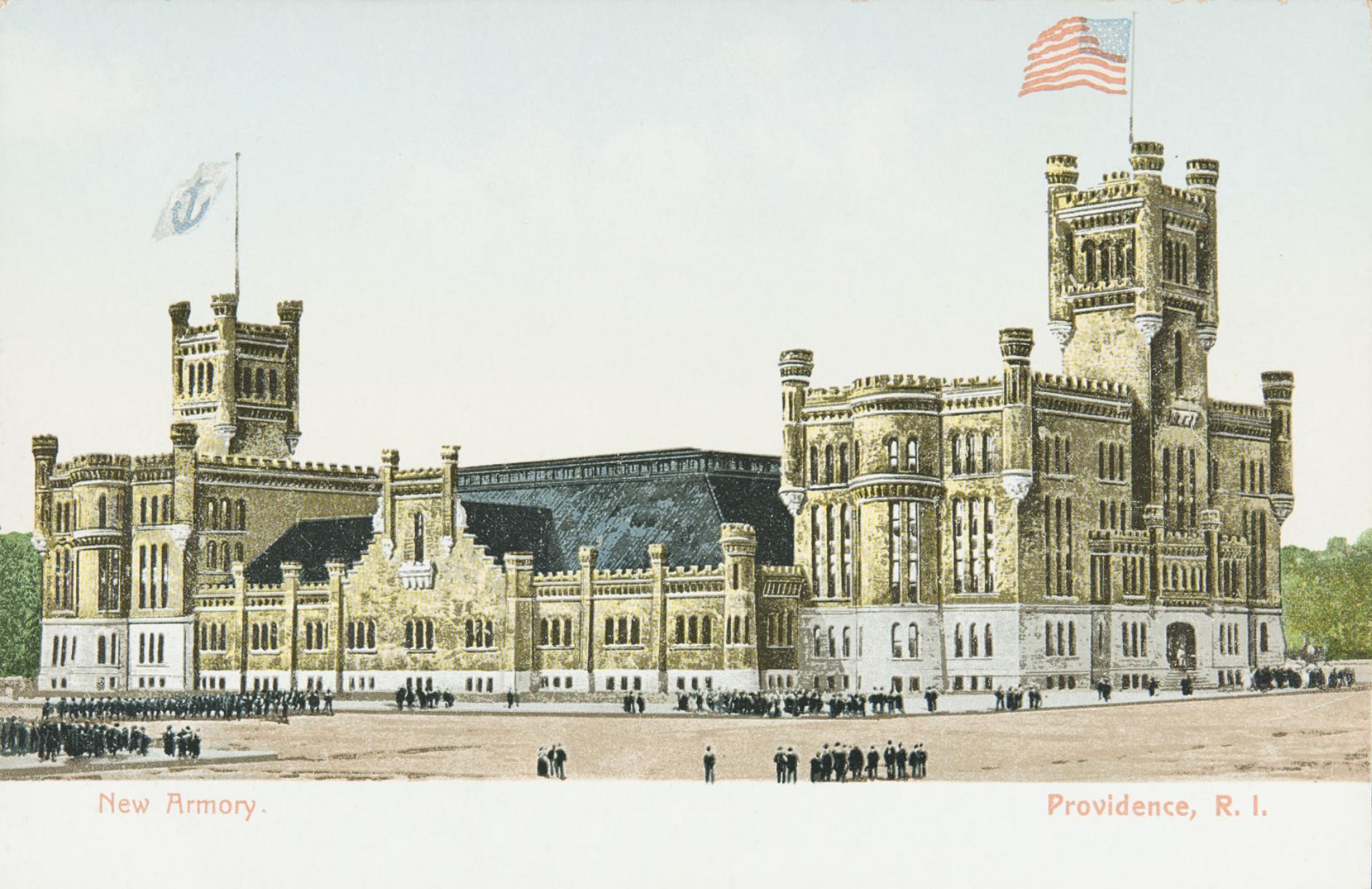
Too Big to Save?
What to do with that huge rundown white elephant, the castle-like Cranston Street Armory in Providence? It’s hard to see how it could be rehabbed, whatever the grandeur of its exterior and some of its interior space.
The only thing that makes much sense to me is if the entire edifice were transformed into a one-building college campus; there’s even plenty of room for athletics. (And an indoor farm?} The idea, floated by some, of making it into some sort of regional meeting center, say for big events that might otherwise go to the Providence Civic Center, and a home for a wide range of businesses, seems implausible, at least if the state and city are unable or unwilling to fork over many tens of millions of dollars to retrofit the complex. Even with massive retrofitting, how many folks would want to come to that neighborhood to work or for events? Maybe more than I’d think?
Old places like Rhode Island have many big buildings that are no longer used for their original purposes. Nothing lasts, and some of these impressive piles will just have to be torn down.
I had a fantasy dream that someone very, very rich would buy the armory and turn it into his/her private palace, as Dr. Barrett Bready did with the glorious granite former Old Stone Bank Building on Providence’s South Main Street. But as big as that it is, it’s minuscule compared to the Cranston Street Armory.
If only Rhode Island had a king or queen (a constitutional monarch, of course!); the armory could be turned into a royal palace. Maybe surround it with a few cannons.
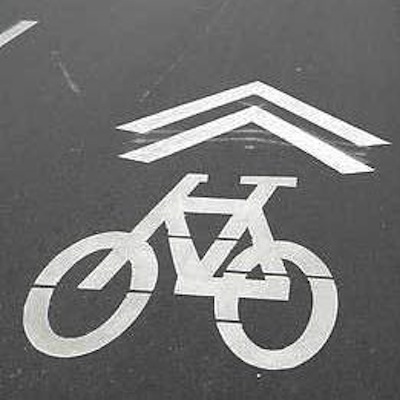
The controversy last year over the option of adding a bike lane on upper Hope Street on Providence’s East Side included complaints from some of the small businesses there that the lane would hurt their sales from car-dependent/addicted customers. But stores and other businesses in some cities see bike paths (and efforts to make things easier for pedestrians) as boons.
Remote work, which has half-emptied (or more) many office buildings, has forced cities to seek ways to make their central business districts more residential and tourist-friendly. So taking space from car traffic and using it for wider walkways, bike lanes and little parks for sitting, eating and drinking looks increasingly attractive.
Meanwhile, we wonder if some skyscrapers that would be too expensive to retrofit from office space to housing and other uses will be torn down in the next few years.
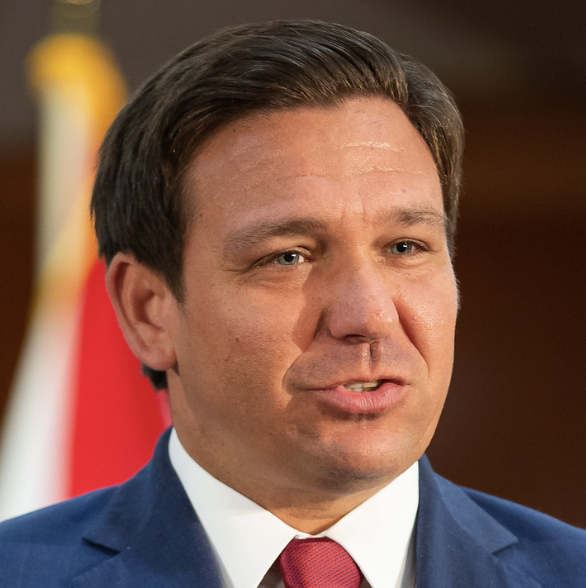
I got a chuckle out of people in the administration of Florida’s whiny and demagogic Gov. Ron DeSantis threatening property-insurance companies that are bailing out of the Sunshine State, calling them politically “woke” and threatening to fine them. They’re denounced for “wokeness” because they cite the risks of gigantic damage claims as a result of global warming -- particularly from hurricanes.
I’ve been a business editor at three newspapers and a businessman myself, and one thing I’ve learned is that the bottom line rules. Insurance companies look at potential risks to their profitability and make hard-headed decisions accordingly. Places like Florida are particularly menaced by global warming, especially along the coast, so some insurers need to get out.
The DeSantis regime has also denounced, and threatened with penalties, the likes of Disney for being “woke” because of its management’s acceptance of LGBT rights. But that acceptance probably doesn’t have much to do with empathy. Rather it’s because LGBT people make up a significant portion of its customer base at such places as Walt Disney World. And as more people “come out,’’ that customer cohort will probably grow. Companies want all the business they can get.
Contrary to their “pro-business” propaganda, Florida and some other GOP/Anon run states increasingly threaten companies that refuse to follow far-right agendas. That in itself will quite rationally lead more and more companies to leave, with some even heading (sometimes back) to the Northeast and/or Midwest.
xxx
Speaking of clearing out, I wonder what the long-term effects of intensifying and lengthening heat in the South and Southwest will be on the size of their populations. How many people want to be stuck indoors embracing their air conditioners for much of the year? Go for walks when it’s plus-105 day after day?
And what will be the effect of too-long-delayed water restrictions in such grossly overgrown and preposterous desert places as Phoenix?
“Common Sense’ to Whom?
‘’‘It is greatly to be hoped that moderate men of all shades of opinion will draw together, and that wiser councils may yet prevail.’ How many times I gave expression to such jejune hopes! Well, I soon grew weary of this, because it seemed to me that immoderate men were rather strongly in evidence, and I couldn’t see that wiser councils were prevailing anywhere.’’
xxx
“Words can be polluted even more dramatically and drastically than rivers and land and sea. Their misuse is our undoing.”
--- Malcolm Muggeridge (1903-1990), famed English journalist and book author, who moved during his career from socialist to conservative and Christian apologist. He would have found Trump and followers reprehensible – and not “conservative’’.
Most people say that they want “common sense” policies. But one person’s “common sense’’ might look quite different to others, and most policy battles include both deeply held values and selfish economic and other personal interests.

In a close election, it wouldn’t take much for No Labels to put a traitor, thief, pervert and con man of bottomless selfishness back in the Oval Office, and then it’s so long to our frail democracy.
Consider that Green Party candidate Ralph Nader, running to the left of Al Gore in 2000, siphoned off enough votes to elect George W. Bush, whose administration then got us into two wars and the Great Recession, and that Green Party candidate Jill Stein may have thrown the narrow 2016 election to fellow Putin admirer Donald Trump. Social-media support of Stein was part of the Kremlin’s campaign to defeat Hillary Clinton that year.
Isn’t it remarkable that the leftist (by American standards) Green Party has helped elect right-wing presidents? It makes you wonder about where some of its money comes from.
There are some good people in No Labels, but more than a few are very rich right-wingers looking to elect people who would cut their taxes as well as health, environmental and financial regulations. (That isn’t to say that some regulations shouldn’t be eliminated or streamlined.) One of the organization’s biggest donors is none other than Harlan Crow, the patron of far-right and deeply corrupt Supreme Court Justice Clarence Thomas.
No Labels’ positions usually sound reasonable, if often vague about implementation. They include offering a path to citizenship for people brought to America as children, implementing universal background checks on gun purchases and supporting renewable energy, while lamentably expressing no hurry about moving away from domestic fossil-fuel production. But then No Labels member and potential presidential candidate Joe Manchin, the West Virginia “Democrat,” is a loyal representative of the coal industry, which has made him very rich.
No Labels hedges on abortion, stating that it is “too important and complicated an issue to say it’s common sense to pass a law — nationally or in the states — that draws a clear line at a certain stage of pregnancy.”
Whatever. Republicans want to restrict abortion access and Democrats to expand it. There is no “common sense” solution to that question that everyone will agree on.
Meanwhile, while Joe Biden wasn’t my favored Democratic candidate in 2020 – I wanted someone like former Montana Gov. Steve Bullock – I’m mystified that Biden isn’t more popular, given the remarkably healthy economy and such impressive policy achievements as the infrastructure and semiconductor bills and his careful and strong response to Putin’s all-out invasion of Ukraine. (Admittedly, presidents have far less effect on the economy than they’re given credit or blame for.) He’s run a competent administration staffed with honest people with plenty of administrative and policy expertise. His biggest black eyes include the chaotic U.S. exit from awful Afghanistan, but Trump’s sweetheart deal with the Taliban may have made that nearly inevitable. Then there was high inflation (now way down from its peak), exacerbated by the stimulus from the big pandemic relief bill near the start of his term, as well as by national and international supply-chain backups over which the Biden administration had little influence. The pandemic-relief bill seemed reasonable to many economists in early 2021 because of the deep COVID-caused recession.
I think that one of Joe Biden’s problems is simply that in a country that has long been amusing itself to death, Biden bores many people. He’s also too old, but so is the morbidly fat, but charismatic (to his many cultists) Trump, who has long been a professional entertainer on TV in a country with shrinking literacy and, among a large part of the electorate, an utter lack of interest in fact-finding and pursuing the truth. So Trump devotees believe (or want to believe) any set of well-produced lies. Meanwhile it is more and more obvious that social media, which Trumpists have used very well, have been a disaster for American democracy.
Neil Postman’s 1985 book, Amusing Ourselves to Death: Public Discourse in the Age of Show Business, seems more germane than ever.
I still wouldn’t be at all surprised if Biden decides not to run after all, thus letting other, younger Democratic candidates (governors would be best) make their pitches. Announcing that he won’t run for re-election would be patriotic.
xxx
There’s no bottom to Putin’s brutality. Consider Russia’s attack on Ukraine's grain supplies and related port facilities last week. Much of this food was slated for starving people in the Third World.
xxx
China is expanding its activities in Cuba, which it’s apparently using as a listening/spy post as close as 90 miles from Florida. That the U.S. continues its economic embargo (forced to no small degree by pressure from politically powerful Cuban-Americans) against the Communist-run island encourages closer Havana-Beijing ties.
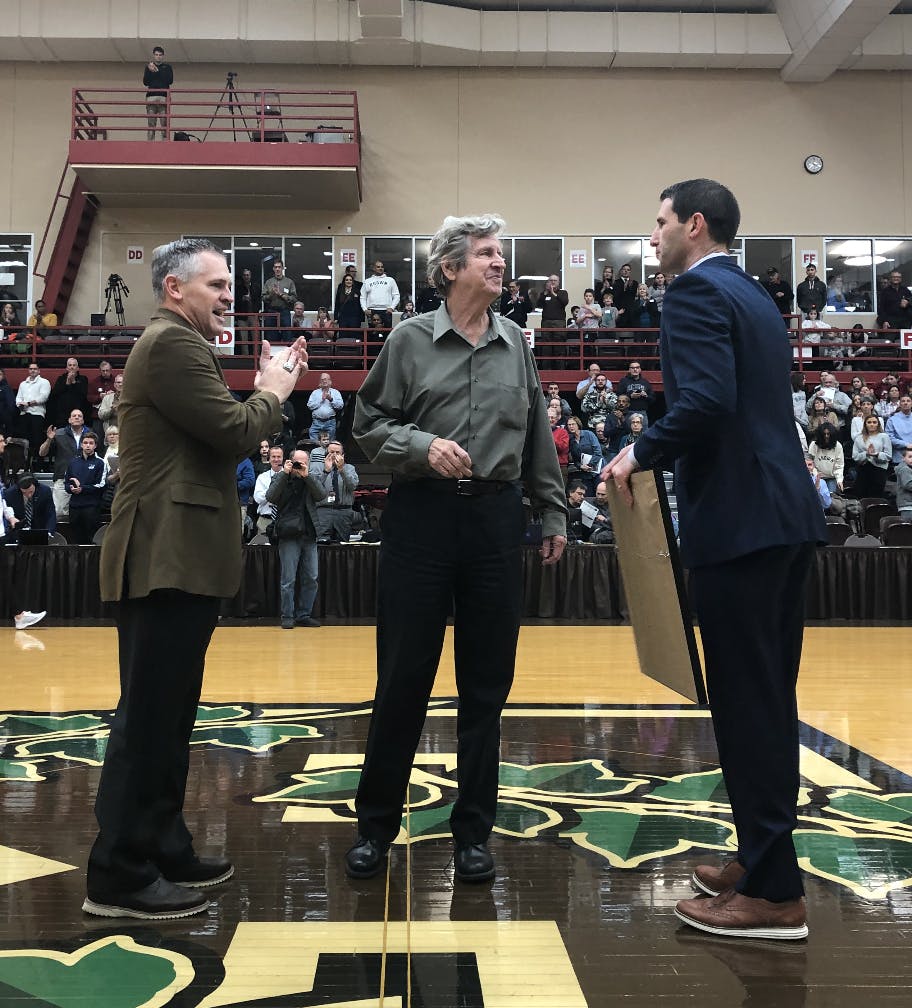
Many years ago, I asked the affable Bill Reynolds, the long-time Providence Journal sportswriter, columnist and author of 12 books, why he wrote books amidst his busy reporting and column-writing schedule. Bill, who died July 13 at 78, after several years of Alzheimer’s, replied that “I’d rather do that than watch TV,’’ an amusing remark given how much pro and college sports are on television.
What an eloquent chronicler he was, including in connecting sports with the rest of American society. I’d guess his book Fall River Dreams will be read the longest into the future.
The old stars of the ProJo march off into the next world at an accelerating rate.