Fecteau: Back to Iraq
Matt Fecteau, GoLocalProv Guest MINDSETTER™
Fecteau: Back to Iraq
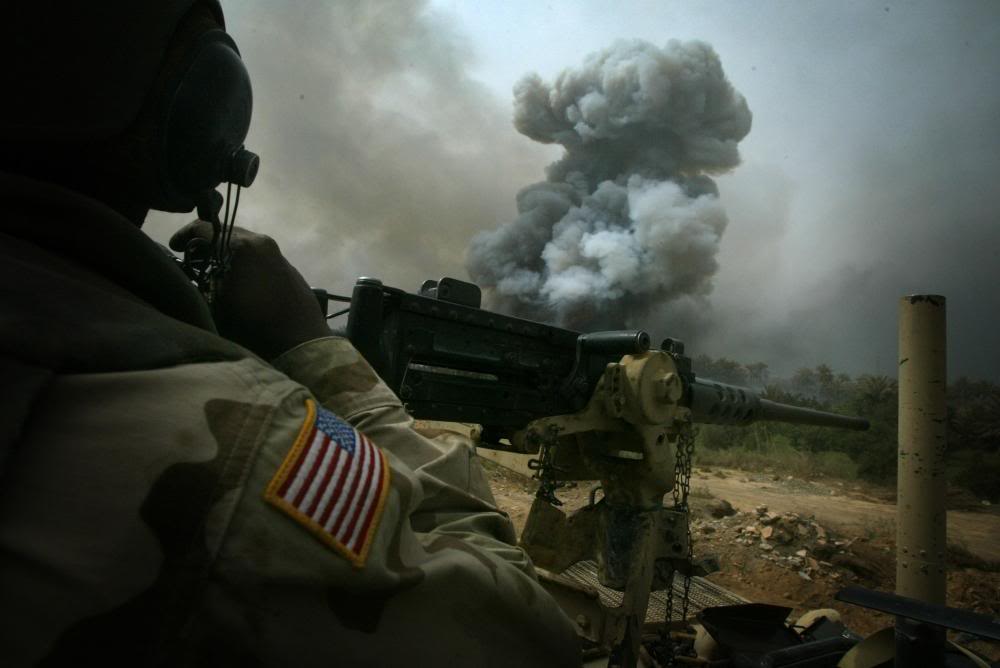
For all intents and purposes, we already have troops on ground just not combat boots. In Iraq, our conventional forces are operating at division level as advisors, and also, Special Forces are taking part nominally entitled assist missions (e.g. troops like Master Sgt. Wheeler). Though, merely looking at the video released by Kurdish forces, the U.S. military appears to be directing the mission.
Right now, the Pentagon is weighing different troop options. One troop option is to embed conventional U.S. forces with Iraqi units to call in airstrikes against targets. This option would most likely place our troops in greater risk, and increases the likelihood of casualties.
GET THE LATEST BREAKING NEWS HERE -- SIGN UP FOR GOLOCAL FREE DAILY EBLASTCongress has largely abstained from their duty to define the parameters of this conflict. Our federal representatives have refused to pass or amend any legislation to authorize force against the Islamic State in Iraq or Syria. As a result, the Obama administration is using past antiquated authorizations (the Authorization for Use of Military Force against Terrorists and the Authorization for Use of Military Force against Iraq Resolution of 2002) to justify our ‘advise and assist’ missions, and airstrikes in Syria and Iraq.
Just like Iraq, the larger conflict in Vietnam started small, but snowballed over time. In 1959, President Dwight D. Eisenhower sent advisors to Vietnam with seemingly clear parameters. With succeeding administrations, the troop footprint was expanded.
Even with legislation defining the limits of the conflict in Vietnam, there was mission creep. In 1964, the mission was redefined with the Gulf of Tonkin Resolution, “to repel any armed attack against the forces of the United States and to prevent further aggression.” With this legislation, the U.S. military’s presence exponentially expanded and was redefined to include combat roles for U.S. forces.
With this coming presidential election, a new administration will eventually take the helm. Based on fluid conditions on the ground, troop levels and their roles in Iraq will likely be revisited, and even redefined as well whether through new statutory law or reinterpretation of pervious legislation.
Although controversial, the American people should be prepared for larger-scale conflict in Iraq, and more loss of life. Even in the shadow the pervious conflict in Iraq, history suggests there is a strong possibility our flirtation with intervention overseas will continue unabated for years to come.