


Guest MINDSETTER™ Chekrallah: Governor’s Overdose Task Force Sets the Right Direction
Guest MINDSETTER™ Diana Chekrallah
Guest MINDSETTER™ Chekrallah: Governor’s Overdose Task Force Sets the Right Direction
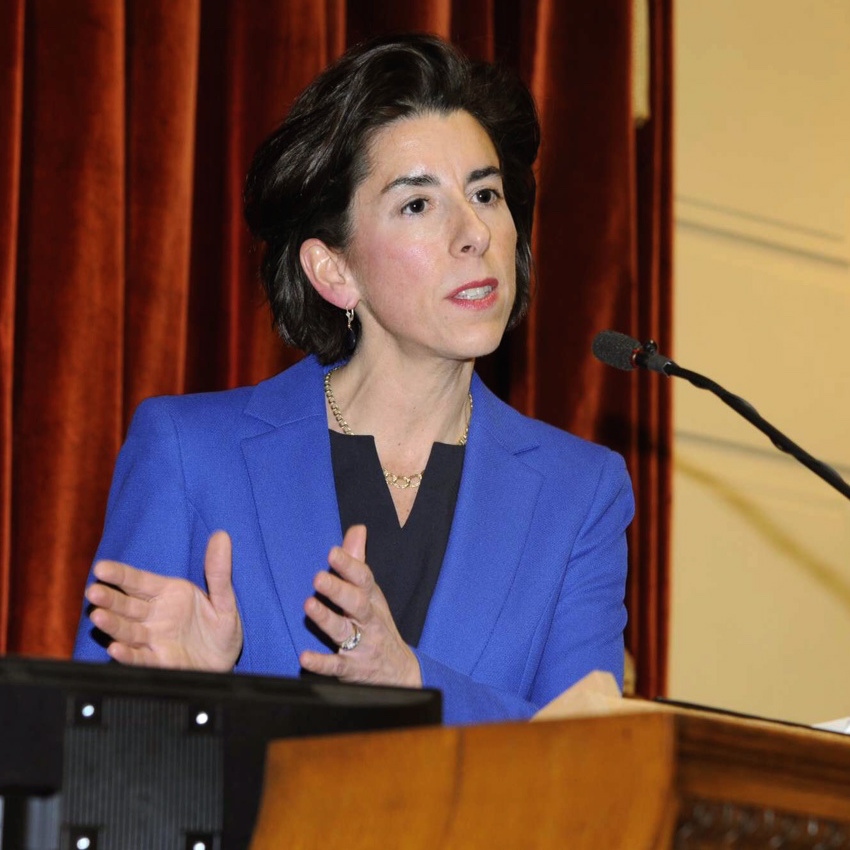
In emphasizing the effectiveness of treatment, The Task Force confirmed a reality I witness every day. As the Task Force report states, “Treatment for opioid addiction is effective and long term recovery is possible.” More specifically, the Task Force Report accurately asserts that medicated assisted treatment, employing medications such as methadone, “reduces their risk of death, relapse, chance of going to prison, and greatly improves their quality of life” The Task Force also points out that it is most effective as long-term therapy.
In order to encourage more people struggling with addiction to get the treatment they need we must reduce the stigma people in treatment face. The Task Force rightly makes this a key objective. Our clients tell us about the discrimination and sometimes outright derision they confront when applying for jobs, going to Doctors, or simply attempting to access needed services. These can be barriers to recovery and discourage some people from getting help in the first place.. We need an all out public education effort to hammer home the point that addiction is a disease—not a character defect—and it can be treated
Focusing on treatment—as opposed to punishment—for people struggling with addiction is another critical key point made by the Task Force, Additionally, making a special effort to ensure that prisoners and other people caught up in the criminal justice system, where the rate of addiction is very high, are given access to treatment is critical. This way when people = re-enter society they have a much greater chance of succeeding—and not ending up back in prison.. This approach has the added benefit being a far more cost-effective, since jail costs more than $60,000 a year for each prisoner.
The evidence shows that high quality treatment works. The Task Force recognized this essential fact. Now, we must make the changes in policy and in our own attitudes, to make Treatment accessible to all who need it and to then ensure that all who could benefit from it seek help. This will go a long way to reducing overdoses and getting more people’s lives back on track.
Diana Chekrallah is Executive Director of The Journey to Hope, Health, Healing, which provides medication-assisted therapy at clinics in Johnston, Providence and Westerly For more information, visit www.TheJourneyHHH.com.
RI Doctors - Who Prescribed The Most Oxycodone?


#22
Nurse Practitioner, Adult Health
Providence, RI
MEDICARE Oxycodone Prescriptions: 146
#19
Somasundaram Panneerselvam M.D.
Internal Medicine
Cranston, RI
MEDICARE Oxycodone Prescriptions: 162
#12
Physician Assistant, Medical
Pawtucket, RI
MEDICARE Oxycodone Prescriptions: 221
#7
Physician Assistant, Surgical
Pawtucket, RI
MEDICARE Oxycodone Prescriptions: 256
#1
Physical Medicine Rehabilitation
Providence, RI
MEDICARE Oxycodone Prescriptions: 384


