Horowitz: Senate Republicans Calibrate on Impeachment
Rob Horowitz, GoLocalProv MINDSETTER™
Horowitz: Senate Republicans Calibrate on Impeachment
In the US Senate, however, a somewhat different picture is beginning to emerge. To be sure, most--if not all-- Senate Republicans at this point do not support removing the president from office and that is unlikely to change. But many do find the facts that are coming out about the president’s withholding of nearly $400 million dollars of military aid from Ukraine designed to help in it in its defense from Russian aggression in order to leverage the opening up of an investigation of a political opponent troubling.
Senator John Thune (R-SD), a key member of the Senate Republican leadership, reflected a widespread sentiment among his colleagues in comments he made to reporters after Ambassador William Taylor, our highest-ranking diplomat currently posted in Ukraine and a military veteran, publicly released an opening statement and then testified in front of the House Intelligence Committee: “The picture coming out of it based on the reporting we've seen is, yeah, I would say it's not a good one, but I would say also, until we have a process that allows for everybody to see this with full transparency, it's pretty hard to come to hard and fast conclusions.”
GET THE LATEST BREAKING NEWS HERE -- SIGN UP FOR GOLOCAL FREE DAILY EBLASTAlong these lines, some Senate Republicans are now seriously considering conceding that the president was demanding a quid pro quo, but asserting that while it may have been inappropriate, it does not rise to the level of an impeachable offense. according to the Washington Post. These Senators recognize that the mounting fact pattern amplified and corroborated by highly credible witnesses, like Ambassador Taylor and Lt. Colonel Alexander S. Vindman, our top National Security Council official for Ukraine and a wounded Iraq War veteran, makes continuing to argue that there was no quid pro quo increasingly untenable.
These differences in approach between House and Senate Republicans are in large measure a result of the fact that they are responding to diverging political incentives. House Republicans are nearly completely responsive to the base of the party which remains overwhelmingly supportive of President Trump. On the other hand, Senate Republicans--particularly the leadership--are cognizant of the fact that to maintain their majority they need to hold seats in swing states, such as Maine, Arizona, Colorado and North Carolina-where President Trump is by and large unpopular. Additionally, there are Republican Senators, such as Richard Burr, Lamar Alexander, Rob Portman, and Ben Sasse, and of course, Mitt Romney, who are not going to sign up for simply echoing President Trump’s blatantly false claims about his "perfect phone call" and beyond reproach actions in the Ukrainian matter.
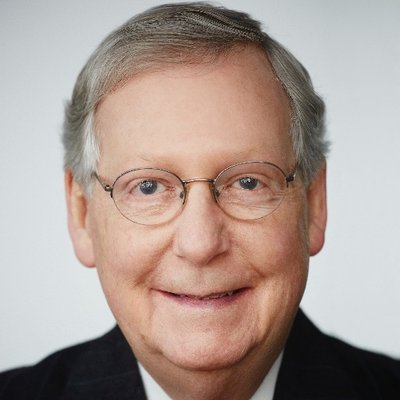
Recognizing the political situation he faces, Senate Majority Leader Mitch McConnell (R-KY) has already indicated that if the House of Representatives votes to impeach the president, he will hold a substantive trial in the US Senate. McConnell understands that Republican Senators need to look as if they are treating the charges seriously and bringing their own judgment and independence to their role as jurors--not simply acting as reflexive partisans.
Senators that argue that what the president did was wrong, but that we should leave it to the voters to decide whether he should be removed from office will have a credible argument--one that will have some resonance with independents and even some Democrats. For Republican Senators in swing states that is at least relatively firm political ground upon which to stand. Depending on whether or not public opinion is moved even further towards approval of impeachment as a result of the upcoming public hearings or due to additional evidence of major abuses of power by the president surfacing, I would not rule out Senator McConnell allowing a vote on censuring the president to be put on the floor of the Senate to give some of his members a tangible way to express their disapproval, short of voting to convict.