


Theresa Agonia: Rhode Island Underestimates Its Latino Community
Theresa Agonia, GoLocalProv Guest MINDSETTER™
Theresa Agonia: Rhode Island Underestimates Its Latino Community
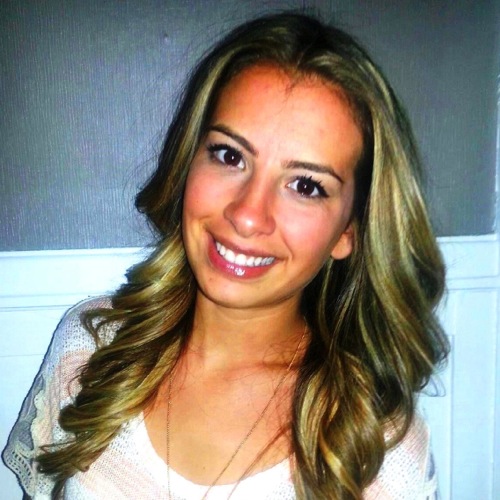
The times are changing and the jobs that were here when my father arrived in the United States are disappearing or are gone altogether. Still, immigrants like my father are part of this wave of demographics that are changing Rhode Island. I had not really thought of this as deeply until my recent graduation from Roger Williams University and after taking on a job at the school's Latino Policy Institute. LPI is committed to generating and communicating non-partisan data of Latinos in Rhode Island.
Turning the tides
I read in The White House report that in 2011, “immigrants started 28% of all new U.S. businesses in 2001, despite accounting for only 13% of the U.S. population”. Specific to the smallest state in the nation, the Census showed us that from 2000-2010 there was a 47% increase in Latinos. The Census also declared that Central Falls had the largest number of Latinos and became the first Latino majority city in Rhode Island. Central Falls: the same city that provided my father his first home in America. The Latino Policy Institute at Roger Williams University is in the process of developing an infographic on workforce participation due for release in early September. I think many Rhode Islanders will be surprised at the findings related to labor participation and Latinos in RI.
GET THE LATEST BREAKING NEWS HERE -- SIGN UP FOR GOLOCAL FREE DAILY EBLASTAs the percentages of Latinos increase in Rhode Island and immigrants continue to pass the “Welcome to Rhode Island” sign on the highway for the first time or as they pass it again, I’m left with the uncertainty of whether or not our state has noticed the same change. Do they really know who their neighbors are? Do people make the connection between demographic changes and economic development? If not, why not? Do they lack credible information and data to tell the whole story? I am happy that I stumbled upon my experience at the Latino Policy Institute at RWU, where I am learning that Latinos are young business owners, state contributors, scholars, and people changing the face of our neighborhoods..
The bottom line is this: demographics are changing in Rhode Island, but do we really know what that means?