


Boaters Warned About This Hurricane Season
GoLocalProv News Team
Boaters Warned About This Hurricane Season
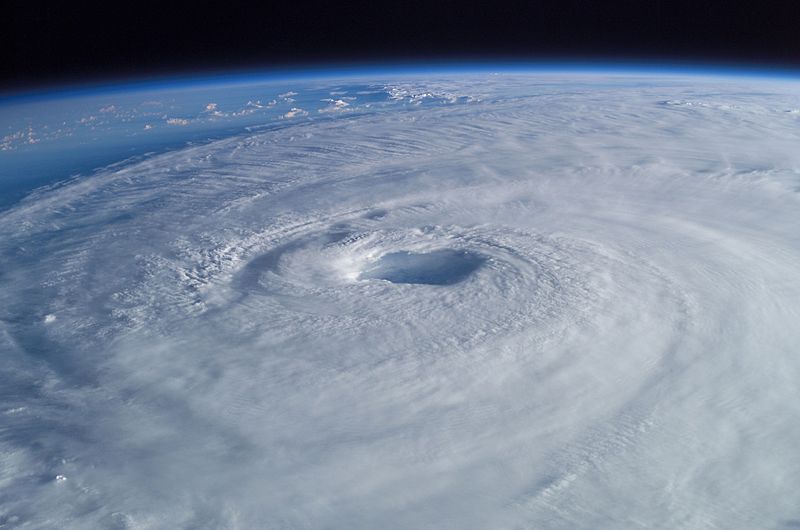
Hurricane season runs June 1 and runs through November 30.
Not only are more storms predicted for the 2021 Atlantic hurricane season, but also the average annual number of storms has increased from 12 to 14 because of updated storm season data.
GET THE LATEST BREAKING NEWS HERE -- SIGN UP FOR GOLOCAL FREE DAILY EBLASTColorado State University hurricane researchers point to the likely absence of El Niño for their prediction of an above-average 2021 Atlantic hurricane season with 17 named storms. Of those, eight are expected to become hurricanes (Saffir/Simpson category 1, sustained winds of 74 to 95 mph) with four reaching major hurricane strength (Saffir/Simpson category 3-4-5, sustained winds of 111 mph or greater). When El Niño conditions are present, the wind shear it produces disrupts the creation of storms.
Beginning with this year’s hurricane season outlook, NOAA’s Climate Prediction Center will now use 1991–2020 as the new 30-year period of record for the seasonal average, rather than basing it on the prior 1981–2010 period. This means the annual Atlantic hurricane average seasonal outlook has increased to 14 named storms, while the previous 1981–2010 data averaged 12 named storms a year.
BoatUS is urging boaters to adjust to this new reality for the potential for more frequent storms that can damage, sink, or total their vessels, and offers free help – boat prep videos, downloadable storm preparation guides, checklists, and more — at BoatUS.com/Hurricane.
According to BoatUS, boaters can create their own hurricane plan, watch a video on how to set lines, or review the comprehensive BoatUS Magazine Hurricane Planning Guide to help protect their boats. When a storm approaches, the BoatUS App offers local storm tracking and alerts.
BoatUS says the best way to mitigate damage is to remove your boat from the water when a storm approaches, advice based on nearly four decades of storm catastrophe experience. If that’s not possible, get your hurricane plan in place now before the season starts. Talk to your marina or storage facility, and get what you need such as extra dock lines and chafe protection. A boater’s last backstop is the boat’s insurance policy. Ensure that it includes full salvage coverage and offers hurricane haulout coverage to help ease the cost of a storm-related haulout.
20 Ways to Prepare for a Hurricane in New England

Put Together a Disaster Kit
Put together a kit of supplies that you might need during the storm.
The kit should include a supply of food and water, money, blankets, first-aid supplies, medications, toiletries, and batteries.
Be sure to check expiration dates.
For more on building a disaster kit, visit the Department of Homeland Security’s Ready.gov.

Come Up With a Family Communications Plan
Geico Insurance suggests coming up with a family insurance plan.
Discuss with your family how to contact each other just in case you become separated during an emergency.
Also, talk about how to get in touch with relatives and friends to let them know you’re all right.

Create an Evacuation Plan
In the event that you have to leave your home, it is important to have an evacuation plan in advance.
Identify a safe place, maybe the home of a friend or a family member or a hotel.
The destination doesn't have to be hours away, just out of danger.

Have an Evacuation Drill
Hold an evacuation drill to practice in case of emergency.
See what everyone grabs and what gets forgotten. Then make a list and try again at a later date.
“Some people will actually test the evacuation route in good weather. Waiting until the day of the hurricane isn’t a smart idea since everyone will be in a heightened state of anxiety," said AccuWeather Hurricane Expert Dan Kottlowski.

Make a Plan for The Kids
How will your child stay entertained during an emergency or a blackout?
Geico suggests packing some games and toys, as well as, snacks for the kids to keep them entertained during the storm.
PHOTO: Jeff/Flickr Commons

Don't Forget About Pets
Do you have a dog that needs kibble or a cat that needs insulin?
If your dog typically goes to the bathroom outside, you may need to come up with an alternate plan during the storm.
Extra food, toys, and other pet accessories should also be figured into the game plan.

Clean Up the Yard
Find a place to put lawn furniture and other outdoor items, which can get dangerous in high winds.
Trim any loose or dangling tree branches near your house.
"Make sure you're not creating missiles by leaving things lying around in your yard," Rochman said. Any items that can be picked up by strong winds -- your grill, lawn furniture, garden gnomes and other items -- should be stored indoors or secured to the ground," said Insurance Institute for Business and Home Safety CEO Julie Rochman.

Seal Windows & Doors
Make sure that windows and doors are sealed.
Rochman reminds residents that "normal weather can damage seals over time, allowing sideways-blowing rain to get in during a storm."

Back Up Computer Data
Director of the National Hurricane Center Rick Knabb encourages people to back up computer data at an off-site location.
That way in case something happens to the computer during a storm, the data can be recovered.

Make Sure Carports and Porches are Secure
In case of high winds, make sure the posts supporting your porch, carport or other structures attached to your house are secured to the ground.
"If you've got a porch or carport on your house and you think it looks like a wing, that's what it's going to be. It will tear a hole in your house," said Rochman.

Take Inventory of Your Possessions
Photograph and document your possessions using as much detail as possible.
Doing this will speed up the claim-filing process later on, should you need to do it.
The I.I.I. (Insurance Information Institute) offers the Know Your Stuff Home Inventory app that can help you keep an up-to-date digital record of your possessions.

Seal and Secure Your Roof
Inspect your roof covering to make sure all the shingles or tiles are secured and that there are no cracks or any missing.
If you're re-roofing, you might want to consider putting waterproof tape over the roof's seams or covering the whole thing.
“Any possible compromises to the roof or house will become an open avenue for strong and gusty winds,” Kottlowski said.
He adds that residents should purchase supplies, including plywood to cover windows and extra security to keep doors from blowing open, in advance, to secure their homes from damaging winds.

Learn How to Shut Off Utilities at Your Home
Food, Water, and Survival suggest learning about the utilities in your home and how to turn them off and on.
Some natural disasters could result in broken utility lines or it is unsafe to have the utilities running.
Knowing how to shut them off can keep a disaster from becoming a bigger disaster.

Don't Forget About Little Things
Sometimes the little things can make a big difference so it is important not to forget them. Geico reminds residents to not forget about the little things.
For example, contact lenses, are electronics charged as much as possible in case the power goes out etc...

Make Copies
According to Geico, you should photocopy and scan your inventory, disaster plan, contact information, birth certificate, passport and other important documents that you might have.
After you make copies, seal them in a waterproof container along with your disaster kit.
Food, Water, and Survival suggest starting with this list.

Go Over Your Insurance Policy
Is your homeowners or renters insurance up-to-date?
Make sure your policy should be designed to meet your needs.

Determine if Flood Insurance is Needed
If you own a property in a flood hazard area and have a mortgage, federal law say you must have flood insurance.
Even if it’s not a requirement in your area, your home may still be at risk.
“People might think that if they don’t live on the coast, then they won’t have a flooding problem. But if it can rain, it can flood," said Knabb.
Determine if you need flood insurance before it is too late.
For more information on flood insurance, click here.

Invest in a Generator
If the power is going to be off for an extended period of time, a generator can be used to give power to important utilities like a refrigerator.
Generators at Home Depot can range anywhere from $170 to just over $600.

Follow John Ghiorse
Follow GoLocalProv's John Ghiorse for the latest storm updates.

Determine Your Risk
The majority of a hurricane's force usually hits coastal areas the hardest, but its effects can reach inland as well in the form of knocked down trees, power outages and flooding.
The National Oceanic and Atmospheric Administration’s Interactive Flood Information Map can help you identify different flooding risks in your community.


