


Architectural Critic Will Morgan Challenges the Three Hope Towers Design
William Morgan, GoLocalProv Architectural Critic
Architectural Critic Will Morgan Challenges the Three Hope Towers Design
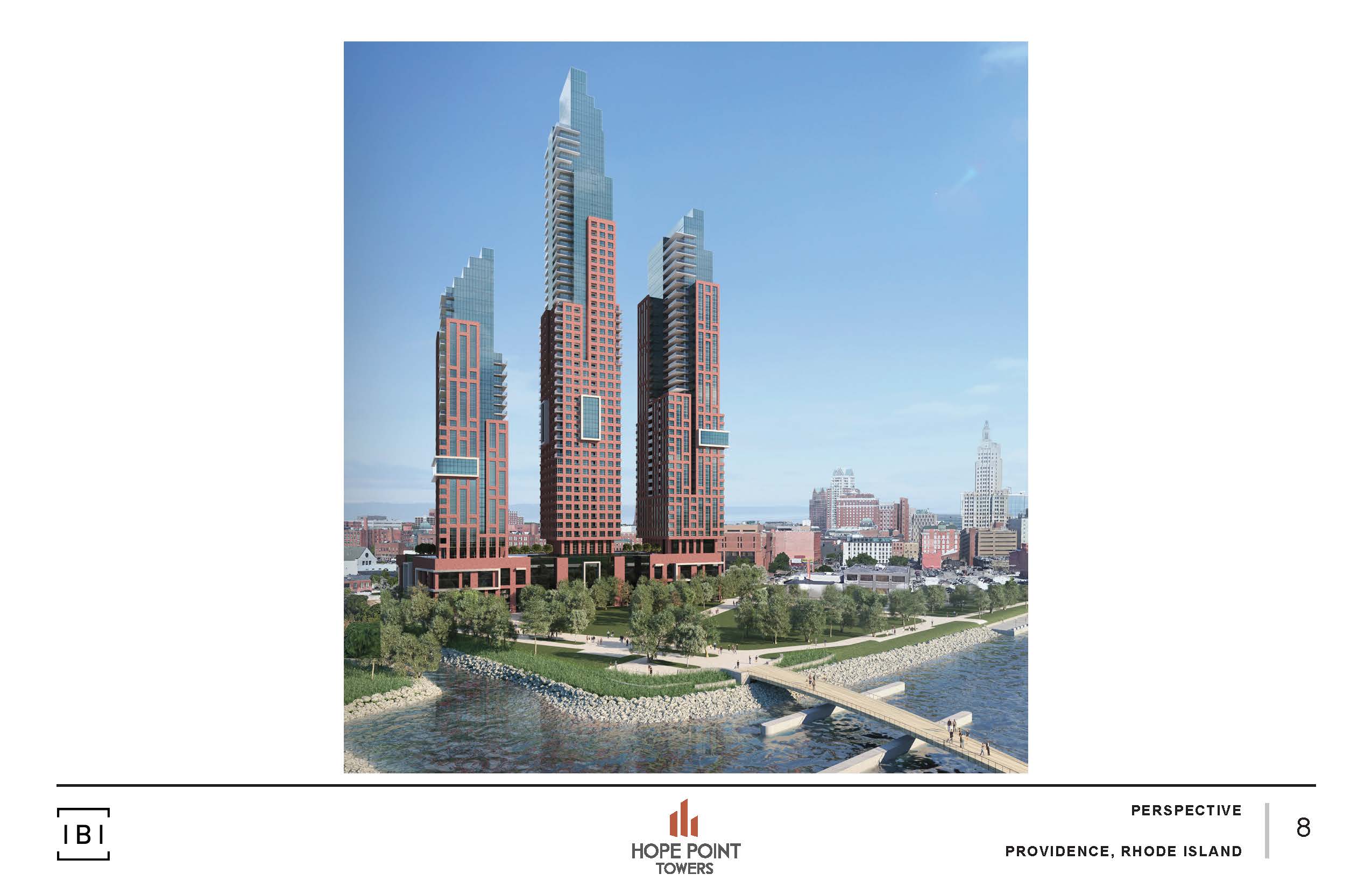
Instead, we are talking about a proposed $500 million triad of residential towers on a key piece of downtown Providence real estate.
Surely, this is not a real project? Perhaps this is a game, a scam that we rubes in River City are not smart enough to figure out. After all, we were pretty much ripped off by the underwhelming, anywhere-and-everywhere development of Capital Center.
GET THE LATEST BREAKING NEWS HERE -- SIGN UP FOR GOLOCAL FREE DAILY EBLASTGreedy developers could perhaps make some money on the project. But for so many reasons these 34, 43, and 55 story blocks make no sense at all, particularly in architectural and urban terms.
It is painfully obvious that these towers say nothing of Providence's history, and, in fact, flip the bird to our special townscape. Architect Sol Wassermuhl works for the largest architectural firm in Canada architect, IBI Group, which churns out massive commercial buildings from Edmonton to Tel Aviv, from China to Brazil. These, no doubt, begin with someone sitting at a computer figuring out how much square footage can be squeezed into the building envelope. Then a designer is asked to wrap that real estate in a slick package that is unlikely to raise the aesthetic bar in that particular city. There are beautiful skyscrapers, soaring objects that enliven city skylines, speak of humankind's aspirations, and serve as symbols of a city's success, but Hope Point does not fall into that category.
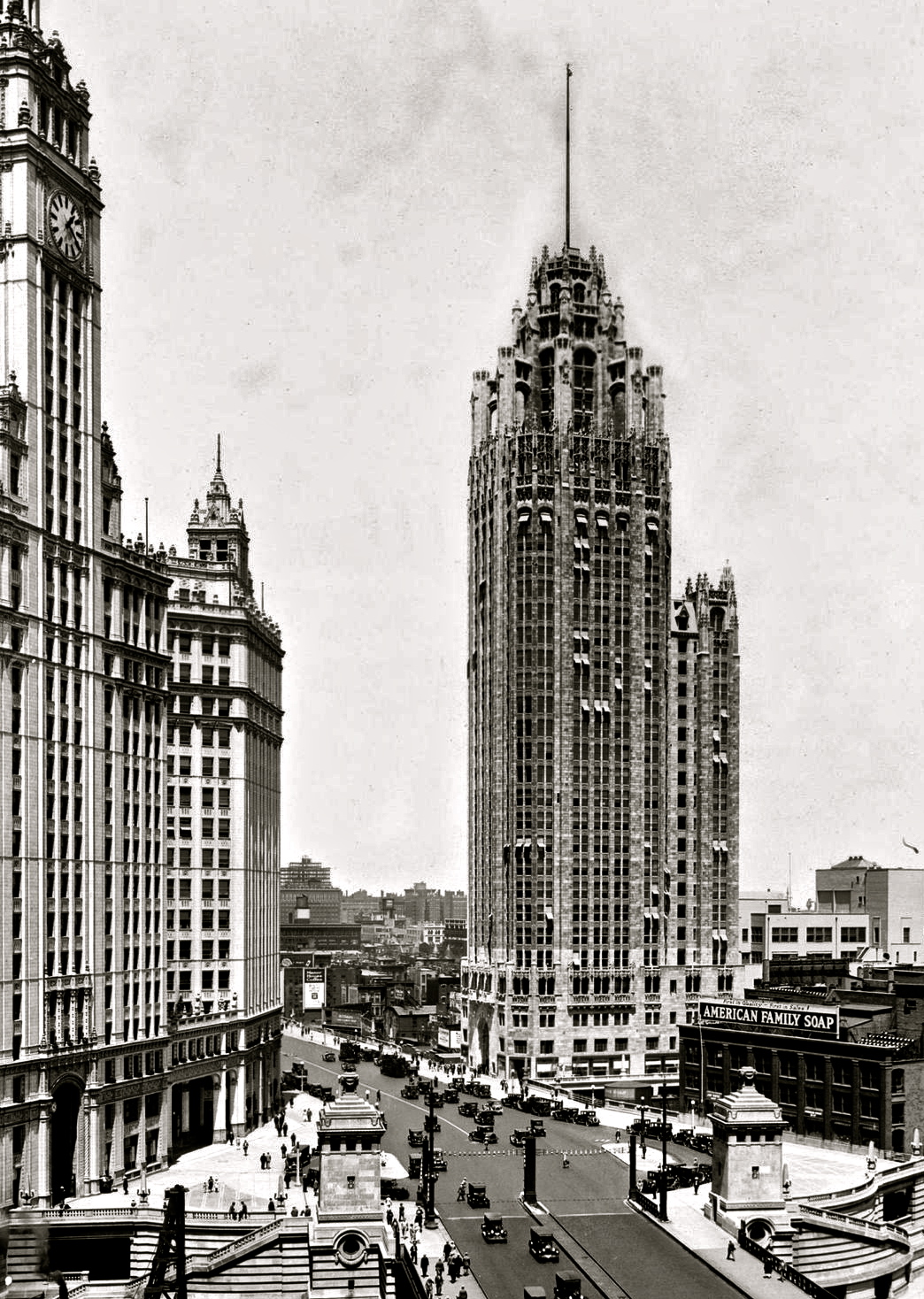
The basic unit of a vibrant city is the street, not the tower block. A thriving city needs people downtown, interacting with other people. Elevators do nothing for a city's soul. Removing the citizenry from the street and insolating them in towers is anti-urban and self-defeating.
Tall buildings create their own mini-climates, increasing wind and pollution. A 55-story tower casts shadows and blocks other people's views. Energy efficiency is a joke, and we are not even comparing new construction against harvesting the energy in existing older buildings through restoration and rehabilitation.
Tall buildings were once more defensible, and they might still be appropriate in the featureless deserts of the Emirates, faceless new Chinese cities, or in severely limited spaces such as Hong Kong, Singapore, or Manhattan. But today, the tall building is usually a symbol of excess, part of an international rivalry of bragging rights–mine is bigger than yours. But there is no sensible argument for skyscrapers in a compact, and human-scaled city like Providence.
Hope Towers shows us again what happens when money appears to be the only motivation behind shaping our built environment. Let us stop calling ourselves the Creative Capital when we let out-of-town developers claim that a characterless, half-a- billion-dollar apartment complex is the answer to a question that Providence has not even asked. How can we entrust any part of our commonweal to a New York developer who argues, "I think it is important to grab the brass ring while we are passing"? To allow outfits like Fane and IBI free rein in Providence is analogous to allowing your fifteen-year-old daughter go out on a date with Jack the Ripper.
When studying successful cities throughout history, one tenet emerges:
All great cities are on water. Although today this has changed somewhat given developments in transportation and communication. A better maxim might be: What do cities do with their waterfronts? People love water; they want to see it, be next to it, and to access it.
That said, Providence has had some remarkable success with its handling of its chief identifying feature. Water Fire is the perfect symbol of how we uncovered the waterfront and rediscovered of what we are capable. Admittedly, there is still much to be done with the harbor. But erecting three big phalluses at Hope Point would not enhance the waterfront, it would only give away a great view. What most opponents of Hope Point do agree on is the need for more mixed development: housing, hotels, and schools, commercial and recreational space. So, why cannot we use our imaginations and do something innovative with one of our most precious resources? Why do we almost always have to settle for second-rate architecture?
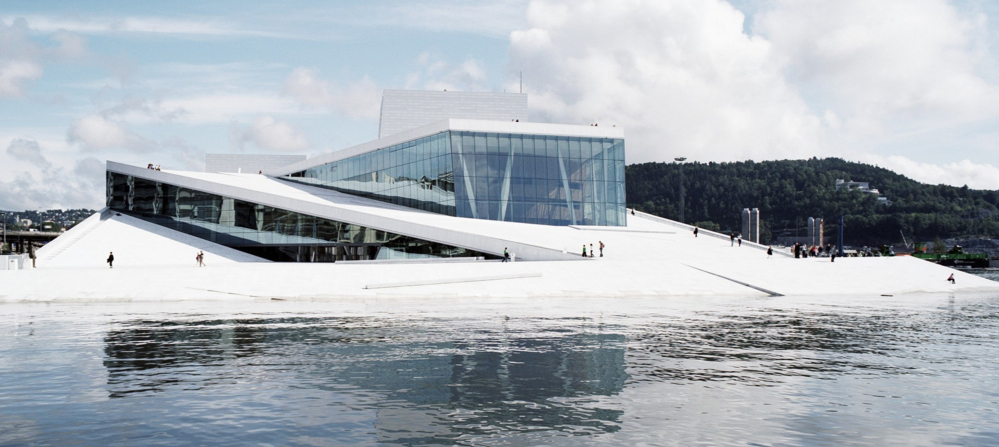
So why does Providence get housing and commercial schemes that are the same-old-same-old clichés? While the many of the truly innovative and very green firms tends come out of places like Scandinavia and Holland, there are good architects in this country, some even in Providence itself.
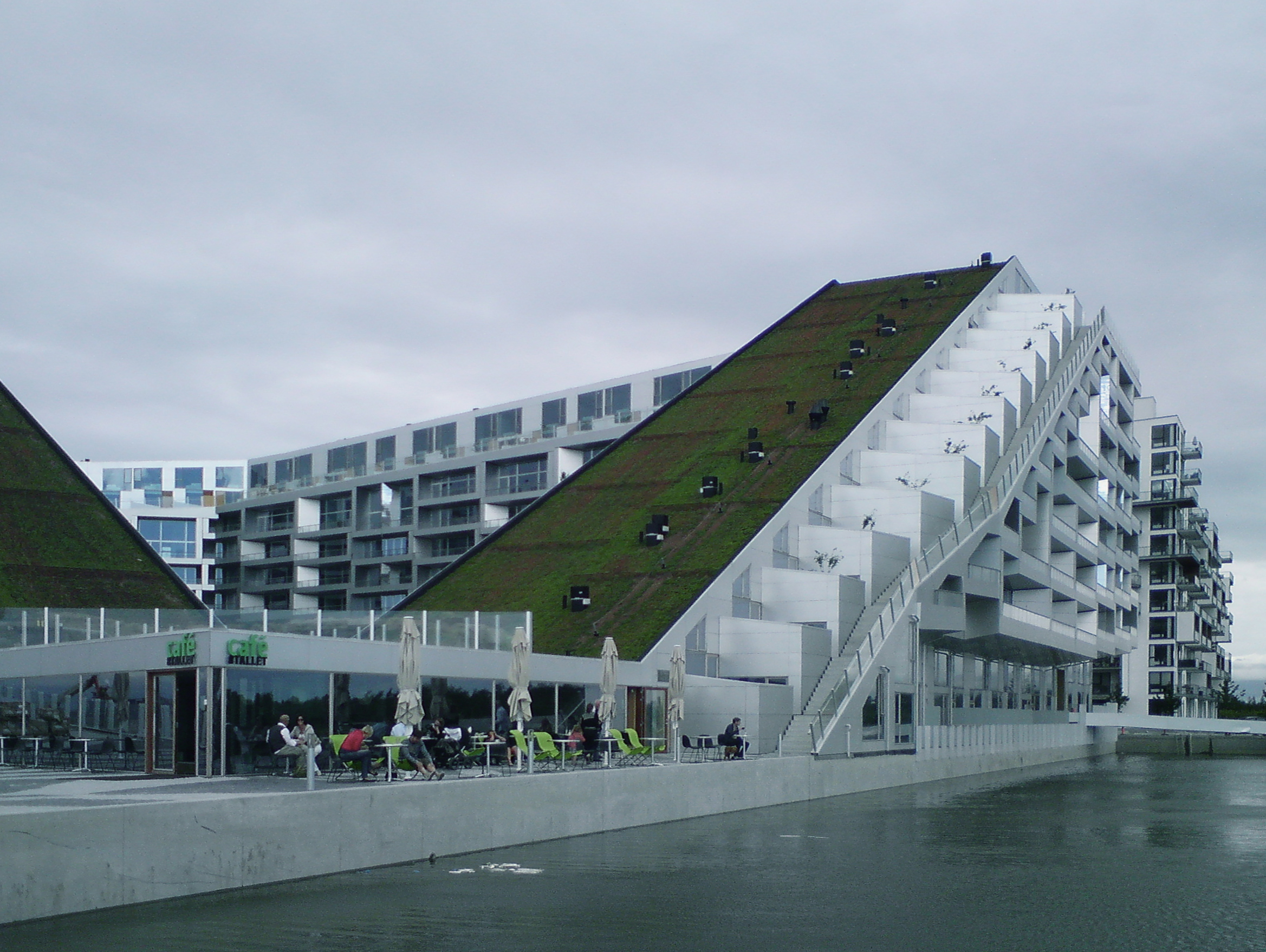
Is it not time for Providence to stop be pushed around by mediocre developers and second-rate architects? Why not stage an international competition for the Hope Towers site? And rather than giving lip service to the city's architectural legacy, let's aim build to build what will be tomorrow's landmarks.
3 Towers Proposal for 195


