


Initial RI Unemployment Claims Top 400,000 Since March, Feds Approve $300 Per Week Payments
GoLocalProv News Team
Initial RI Unemployment Claims Top 400,000 Since March, Feds Approve $300 Per Week Payments
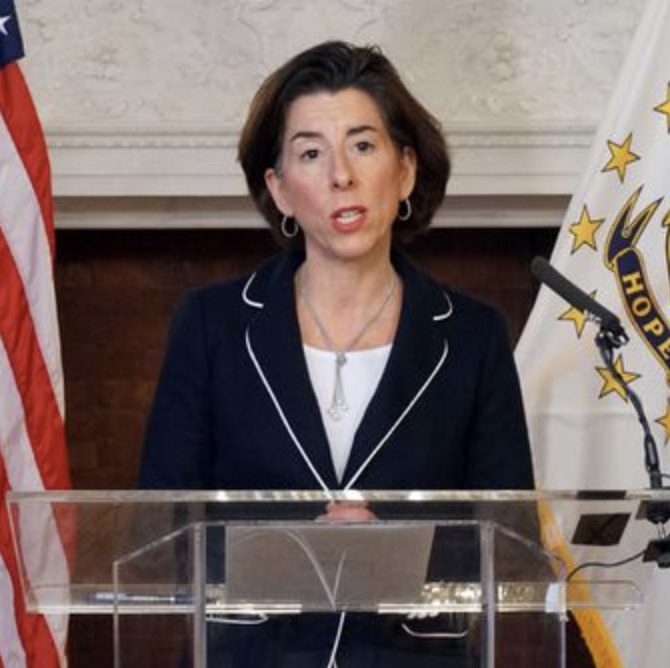
On the good news front, on Saturday FEMA Administrator Pete Gaynor approved Rhode Island for a FEMA grant under the Lost Wages Assistance Program. Gaynor is the former head of the Rhode Island Emergency Management Agency — he was named by President Trump to head the federal agency in January.
FEMA’s grant funding will allow Rhode Island to provide $300 per week – on top of the state’s regular unemployment benefit – to those unemployed due to COVID-19.
GET THE LATEST BREAKING NEWS HERE -- SIGN UP FOR GOLOCAL FREE DAILY EBLAST“FEMA will work with Rhode Island Gov. Gina Raimondo to implement a system to make this funding available to Rhode Island residents,” said the agency.
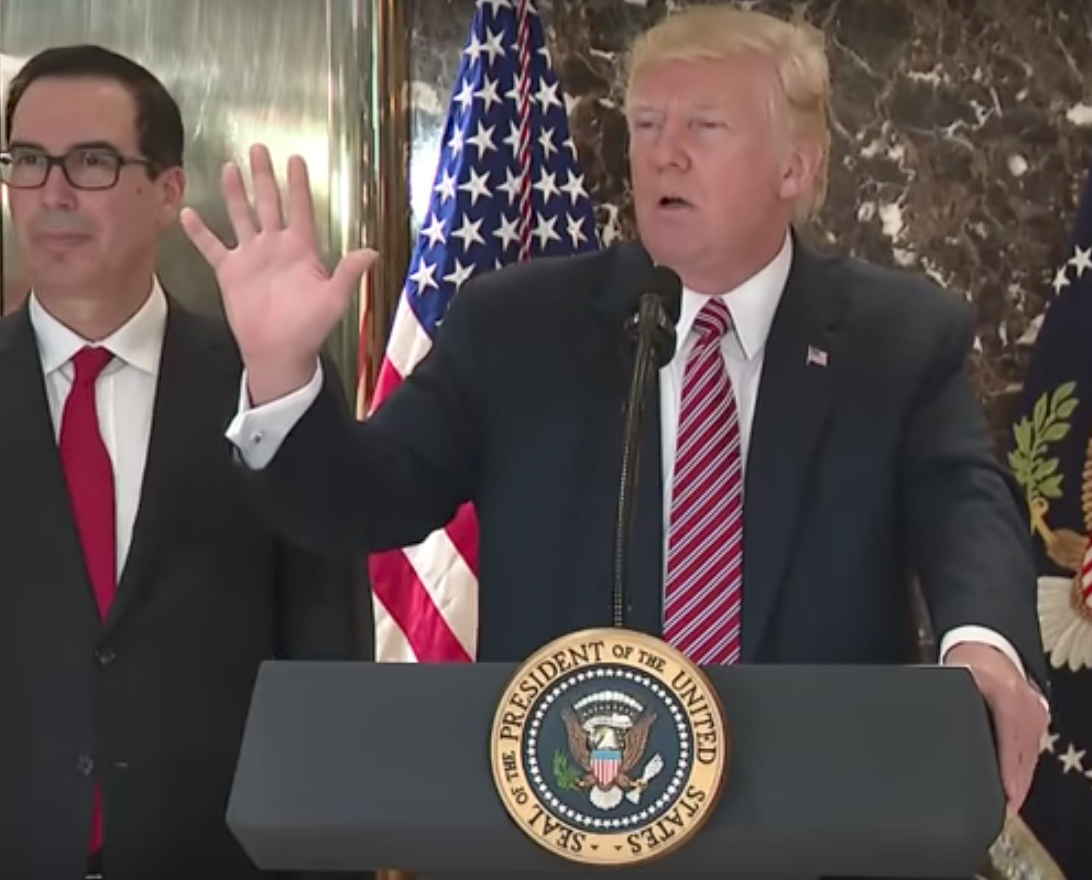
As Congress was locked in a battle over the next federal stimulus package, Trump by-passed Congress via Executive Order.
On August 8, Trump had made available up to $44 billion from FEMA’s Disaster Relief Fund to provide financial assistance to Americans who have lost wages due to the COVID-19 pandemic.
According to the Rhode Island Department of Labor and Training, “The total number of initial unemployment claims in Rhode Island since March 9 is 406,363, consisting of 182,275 PUA claims and 224,088 regular UI claims.”
There have been 34,055 TDI/TCI claims over the same time period.
“Rhode Island has never adequately adapted its economy to the realities of functioning as a successful post-manufacturing economy, it will very likely take three to five years before it returns to pre-pandemic levels of activity,” said URI Professor Leonard Lardaro. “If you have been following the progress of Rhode Island’s economy, you are no doubt aware that even those levels weren't all that great, as our state’s economy was already slowing prior to the pandemic (what would have proven to be the FI of FILO).”
New Jobs Numbers
The state released new monthly numbers this week that showed Rhode Island's seasonally adjusted unemployment rate was 11.2% in July. The July rate was down 1.4 percentage points from the revised June rate of 12.6 percent. Last year the rate was 3.6 percent in July.
The U.S. unemployment rate was 10.2 percent in July, down from 11.1 percent in June. The U.S. rate was 3.7 percent in July 2019.
Federal trends were not as positive as new weekly unemployment filings jumped from 800,000 to 1.2 million.
In Massachusetts, July total unemployment rate is down 1.6 percentage points at 16.1 percent following a revision to the June rate of 17.7 percent, the Executive Office of Labor and Workforce Development announced Friday.
The Bureau of Labor Statistics’ preliminary job estimates indicate Massachusetts added 72,100 jobs in July. This follows last month’s revised gain of 94,600 jobs. Over the month, the private sector added 67,300 jobs as gains occurred in Leisure and Hospitality; Trade, Transportation, and Utilities; Education and Health Services; Other Services; Manufacturing; Construction; and Information. Losses occurred in Financial Activities and Professional, Scientific, and Business Services. Government added jobs over the month.
From July 2019 to July 2020, BLS estimates Massachusetts lost 452,600 jobs.
The poor performance in Massachusetts drew fire.
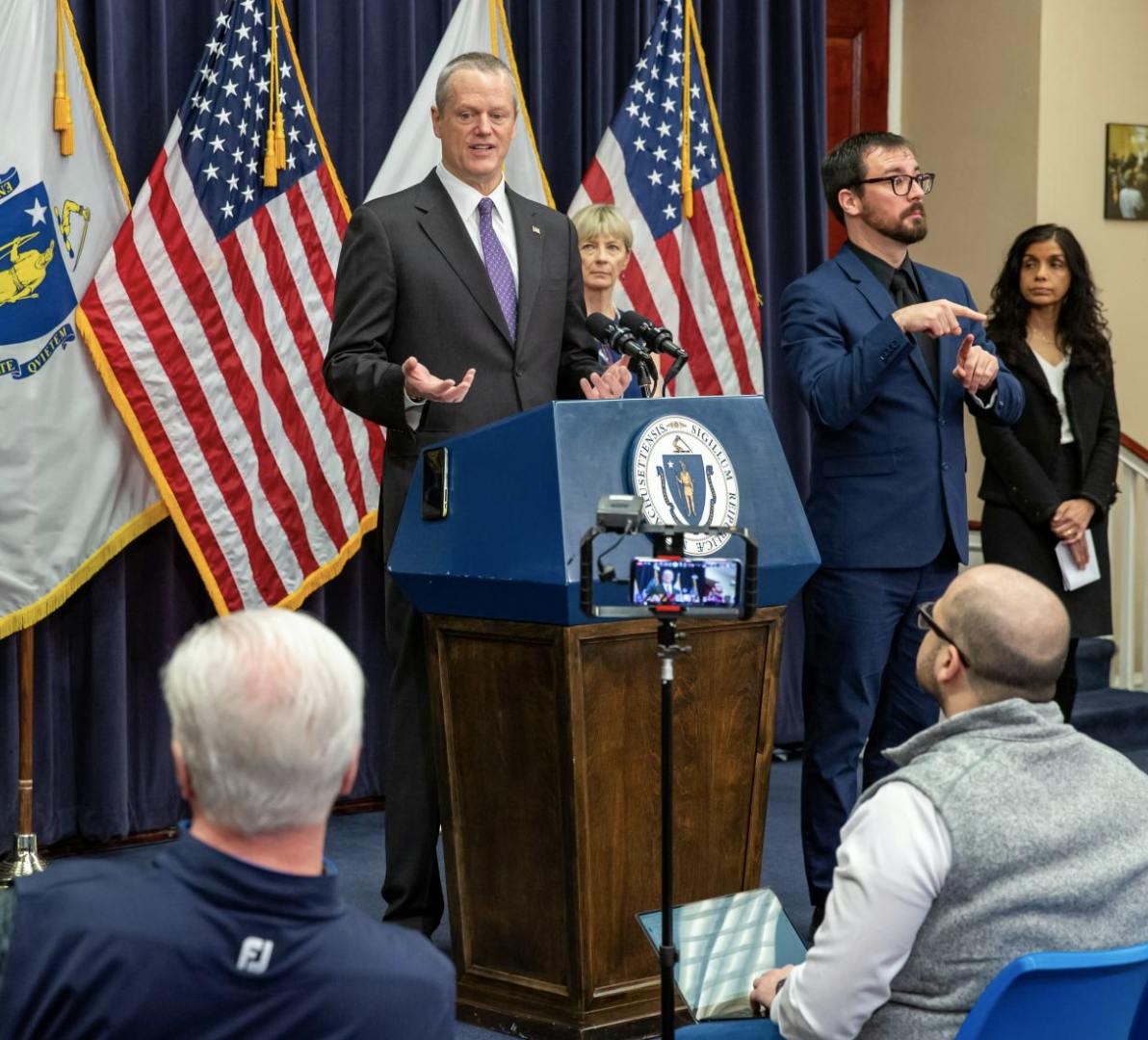
“Massachusetts continues to lead the rest of the country in the percentage of people out of work. It’s not a statistic to be proud of. Governor Baker, Speaker DeLeo, Senate President Spilka and Republican Minority Leaders Tarr and Jones need to do everything they can to reopen the state economy and instill confidence in the private sector. Looking forward, our leaders must promise not to raise taxes, increase spending, or enact more harmful regulations if they really wish to see our economy start to recover,” stated Paul D. Craney, spokesman for the Massachusetts Fiscal Alliance.