Smart Benefits: Gay Marriage Ruling + Employer Compliance
Amy Gallagher, GoLocalProv Business/Health Expert
Smart Benefits: Gay Marriage Ruling + Employer Compliance
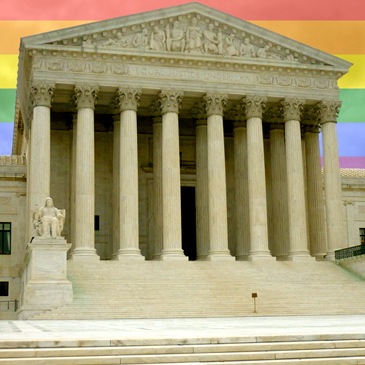
In the first, United States versus Windsor, the Court ruled unconstitutional a law denying federal recognition of legally-married same-sex couples. In the second, Hollingsworth, et al. v. Perry, the Court effectively permitted same-sex marriages in California.
Expanded rights
While Rhode Island and Massachusetts already recognize same-sex marriage, thanks to these rulings, same-sex couples will receive even more rights.
GET THE LATEST BREAKING NEWS HERE -- SIGN UP FOR GOLOCAL FREE DAILY EBLASTEmployers covered by the Family Medical Leave Act (FMLA) must grant time off to qualifying employees to care for their sick, same-sex spouses. All private employers with more than 50 employees are subject to FMLA and these changes.
Under the Internal Revenue Code, an employee’s gross income currently does not include employer-provided insurance coverage for the employee or their “spouse.” But employers were required to impute the value of an employee’s same-sex spouse’s benefits into the employee’s income. Now, if a couple lives in a state that honors same-sex marriage (like RI and MA) and the employer allows its employees to put their same-sex spouses on the plan, those spouse benefits will not be taxed. As a result, the employee’s net income will decrease as will the amount of payroll taxes the employer and employee will have to pay.
Benefits are not mandatory
Presently, there’s no legal requirement that employers provide benefits to employees at all, so these changes do not dictate who must be covered under benefit plans. And even with the new healthcare reform law that goes into effect in 2014, large employers, if they offer coverage, are only obligated to provide it to employee and dependents. That means that spouses, regardless of whether they’re the same or opposite sex, could be excluded from an employer’s plan.
Play it safe
Employers need to understand federal versus state law and where there may be overlap. To avoid discrimination and resulting litigation, it’s safest for employers to treat opposite-sex and same-sex couples equally when it comes to health and benefits coverage.