Smart Benefits: Will HealthSource RI Meet Enrollment Expectations?
Amy Gallagher, GoLocalProv Business/Health Expert
Smart Benefits: Will HealthSource RI Meet Enrollment Expectations?
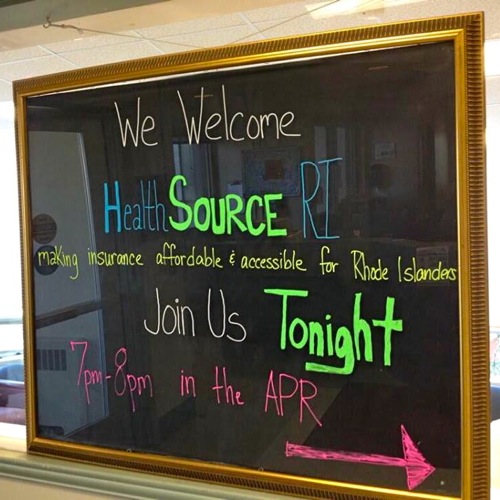
But will that happen? Several factors will affect enrollment.
Individual Age Will Drive Decisions
Twelve insurance plans will be available to meet the needs of individuals and their families, with a range of deductible options and a choice between two insurance carriers: BCBSRI and Neighborhood Health Plan of Rhode Island. Because healthcare reform requires age rating for individuals and small groups, the younger population will have a cost advantage. For example, a 25-year-old with BCBSRI’s Vantage Blue Plan with a $1,000individual/$2,000 family deductible will be $278 per month. Monthly rates for a 45-year-old and 55-year-old, respectively, climb to $399 and $616.
GET THE LATEST BREAKING NEWS HERE -- SIGN UP FOR GOLOCAL FREE DAILY EBLASTWhile HealthSource hopes to attract younger individuals with lower rates, there’s one obstacle working against it, created by Obamacare itself: despite the mandate that individuals have insurance as of January 1, 2014, the penalty for not being insured is more of an incentive. That’s because an individual will pay the IRS just $95 at tax time in 2015 for not having insurance in 2014, and a family without coverage only a maximum of $295.
Small Businesses May Be Attracted to New HealthSource Option
Another factor that could impact the number of enrollees is HealthSource’s focus on Rhode Island’s small businesses, unique compared to other exchanges nationally who are concentrating on enrolling just individuals. While the Full Service Model’s appeal is a defined contribution model where the employer can fund one plan but offer employees the choice of individually choosing one of 16 plans and paying the difference, age again plays a role. Since Obamacare requires age rating, there is tremendous variance in rates. But as a new choice not available outside of the exchange, the Full Service Model is worth a look for small employers, who should closely compare this new option with traditional ones available in the private marketplace.
Most Large Group Employees Will Remain on Employer Plans
Very little migration to the exchange is expected from large employers (more than 50 employees) as long as the employer provides minimum value coverage and affordable healthcare, as defined by the healthcare reform law.
All employers were required to provide notice of the exchange opportunity to employees before October 1, which was met with a great amount of confusion. To make it simple, essentially, if a large employer’s plan meets minimum value for plan design and the coverage is affordable (based on a required formula), employees should remain on the employer’s plan. Rather than risk potential disruption to their population census, employers concerned about the shift in demographics from too many employees leaving because of affordability are choosing to insert new, lower cost options for employees that mirror those offered on the exchange.
Will the Numbers Be Enough?
With drivers pushing people both on and off the exchange, enrollment predictions are up in the air at this time. And that means its future is, too.
HealthSource RI, based on its enrollment projections, will cost between 17.9 and 23.9 million a year to continue operating in 2015. Obamacare requires that state exchanges be self-sustaining beginning January 1, 2015. When asked by Rhode Island’s legislators where the money would come from to pay for the exchange going forward, Director Christine Ferguson suggested funding from general state revenue or assessment on premiums or claims. This means one of two things: either higher taxes or higher insurance premiums for Rhode Islanders.
In 2014, Obamacare will add 4.5 -5.5% to employer paid insurance premiums locally. Some experts predict that these assessments and taxes will climb to between 7-10% in 2015. If HealthSource doesn’t make its numbers, can Rhode Islanders handle these figures?