The Most Expensive House on Providence’s East Side Is Back on the Market
GoLocalProv
The Most Expensive House on Providence’s East Side Is Back on the Market
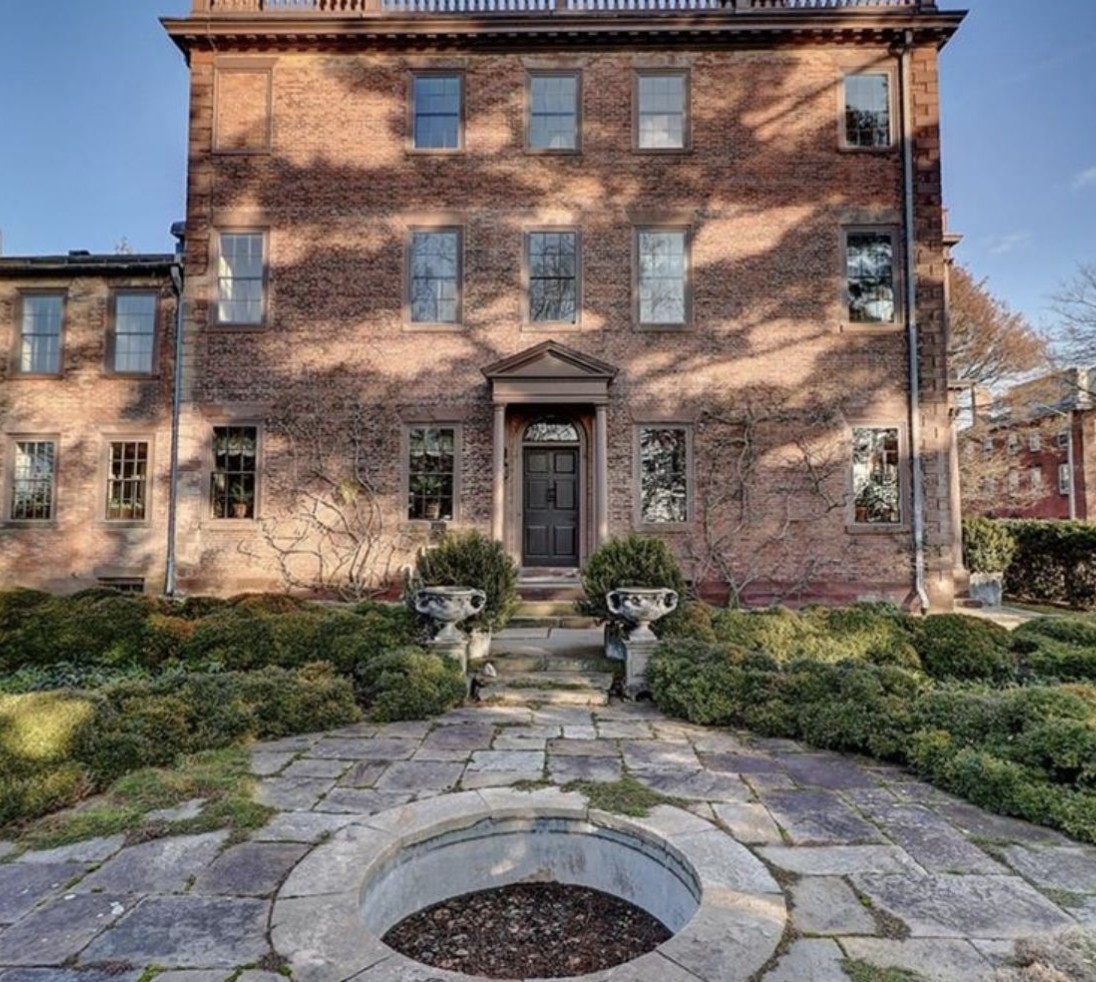
The most expensive house in the history of Providence is now back on the market after a deal to sell the historic mansion at 66 Williams Street fell through.
The asking price is $5.5 million. The listing agent has flipped from Jim DeRentis at Residential Properties to Heidi Farmer at Mott and Chace. DeRentis is the husband of Governor Gina Raimondo's chief of staff Brett Smiley and Farmer is the daughter of the late Rhode Island Secretary of State Susan Farmer.
The estate is owned by the late publisher of the Providence Journal’s family trust — Stephen Hamblett Trust — and is back on the market after being under contract to an undisclosed buyer for more than six months. The deal fell through.
The Williams Street House was designed by John Holden Greene and was built in 1810 and consists of nearly 12,000 square feet of living space. The taxes — just $67,116 per year.
The house is a historic marvel and its size and scope are unmatched in Providence.
The mansion features, according to City of Providence records and the realtor:
The Corliss-Carrington House, which stands immediately behind the Nightingale-Brown House. Built-in 1810 for John Corliss and originally two stories high, the house was purchased as early as 1812 by Edward Carrington, who added the third story, kitchen ell, and barn. Most conspicuously, he provided the distinctive four-bay, two-tier porch, with its unusual balustrading of circles and compass-like stars, as the centerpiece for the front elevation. Southern in flavor, it is another reminder of connections between Rhode Island and the plantation South. A small wing on the building's northeast corner served as Carrington's office. It communicated with the house but segregated business callers from family and guests. The interior (not open to the public) is little altered and retains most of its original Dufour and Chinese wallpapers installed by Carrington. Like all the so-called China Trade houses, this still has its stables and outbuildings intact, itself a remarkable phenomenon.
Enjoy this post? Share it with others.
Translation service unavailable. Please try again later.