


The Next Big Thing in RI Economy May Be Emerging Startup Food Companies
GoLocalProv News Team
The Next Big Thing in RI Economy May Be Emerging Startup Food Companies

The impact of the startup Hope & Main is that it has been the hub of innovation as the springboard for dozens of local companies.
“This is our moment,” says Lisa Raiola, the founder of Hope & Main.
GET THE LATEST BREAKING NEWS HERE -- SIGN UP FOR GOLOCAL FREE DAILY EBLAST“We are a connector, a facilitator, and there is a movement by people who want to buy local,” she said.
Hope and Main's Emerging Success Stories
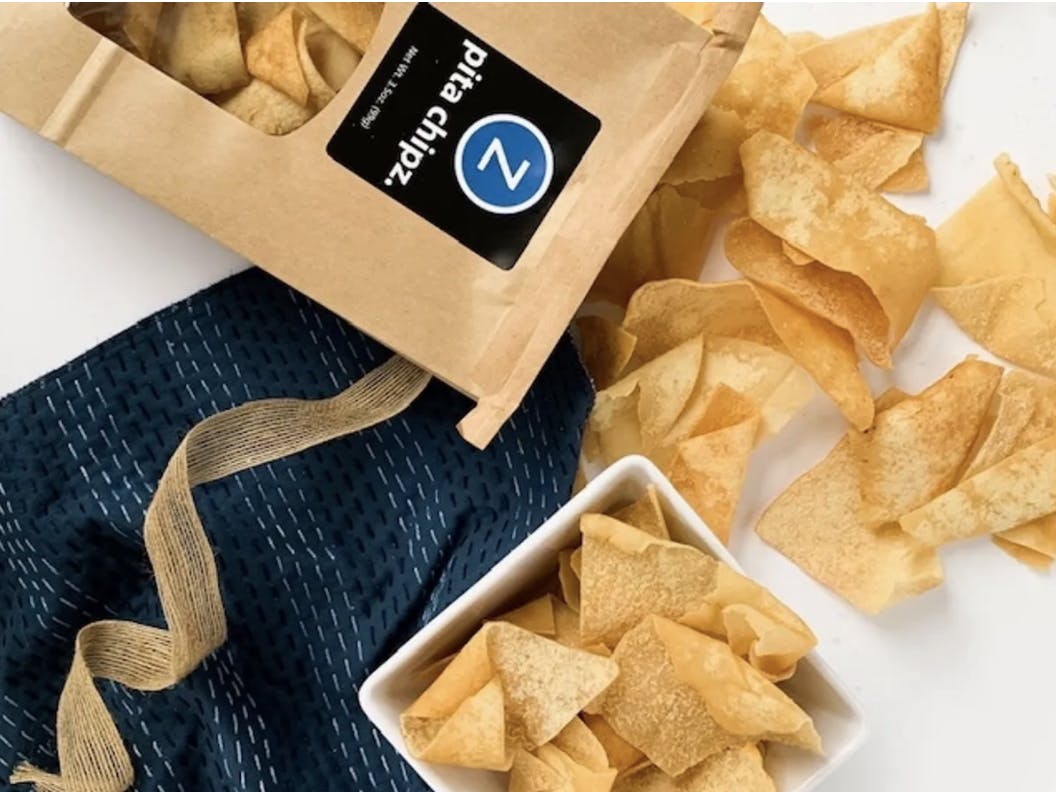
“In March, when sales are typically slower, we had our biggest month to date. Sales have grown rapidly every month since,” said Zoller.
According to her, stores that would previously order two cases are now ordering 10, and on a more frequent basis.
“We have always offered online ordering. With the COVID crisis, we've noticed our customers are sending our chips to loved ones in other states; a sweet gesture to let someone know you are thinking of them even if you can't be with them,” she added.
But, everything is not easy. Suppliers are running slow. She says many take twice as long to deliver.
The company lists about two dozen retail locations that carry the chips, but online is where the growth is taking place.
McDaffa's Donut Cakes owner Chris Daft says “we’ve seen a lift in sales since early April. Having relocated to Hope & Main earlier in the year McDaffa’s Donut Cakes had been in the right position to absorb these shifting consumption patterns caused by COVID.”
The key has been reducing customer friction points by increasing convenience to order and obtain product. McDaffa’s distribution is completely online for ordering with minimal face-to-face contact including product delivery. Despite the COVID lockdowns, customers are looking for normalcy and a convenient way to still celebrate special family occasions.

"We moved to online sales and even allowed pre-orders. Customers can order up to 15 minutes in advance during business hours. We started with curbside pick-up from Hope & Main but have done pop-ups elsewhere where we can take advantage of online sales and take-out such as Proclamation Ale and the Doomsday Drive-Thru at Providence Bagel. We promote everything through social media and have a strong loyal following on Instagram," said the couple in a statement.
They say each week they come up with new innovative specials and partner with local companies, "Such as our Beer Battered Clam Cakes (vegan) made with RI Mushroom’s Oyster Mushroom, Proclamation Ale’s Flummox Pilsner, and Newport Sea Salt. We have some staples such as our Bunny Mak that customers come back for each week, but also like trying new things. And we do a new pop-tart flavor every week. Sourcing ingredients has been challenging since there are a lot of companies out of stock of items due to this."
"Our goal is to move into a brick and mortar space and the pandemic has definitely affected what that model will look like. Most likely fast-casual with food that travels well since to-go will still be big. We would love to have a drive-in or take-out window. With the truck we originally planned to do lots of events and festivals, which doesn’t look like it will happen soon, so until we do have a storefront, whatever that may be, we’ll most likely be doing what we’re doing now for a while," said the Medeiros.
Buppy Pets shows that all eats are not just for humans. Hope & Main has also sparked the launch of pet snacks that can be shared with humans -- the treats are gluten-free.
Lauran Ruggerio says, "We have seen an increase in this demand through online sales and in sales via What's Good as more households are looking for businesses who can offer these options without added cost. We ran a free shipping promotion through the month of March to help offset this cost as families were figuring out what delivery method worked best for them and this proved to be highly successful as it was the most profitable month in regards to ecommerce sales."
"What we miss most is in-person event opportunities. Our favorite part of the business is getting to meet the pets we treat and the people who love them. Though the farmer's market landscape has changed for the time being, we're still able to find ways to introduce ourselves digitally as well as at a small number of markets that allow us to safely meet and treat the community," she adds.
Economic Chaos, Creating Opportunity in RI
The coronavirus has wreaked havoc for many businesses in the region, but the business sector that may spark new companies, employment and success is the food industry that captures Rhode Island's legacy and creativity.
Last month, Commerce RI supported Hope & Main with $144,000 in funding so it could expand production. "Our kitchen production hours have doubled since April, and many of our makers – who didn’t know what to expect in March—are scrambling to keep up with new demand. Now that consumers have adopted new behaviors, I think these trends are here to stay, and this is good news for the local food producers in Rhode Island," said Raiola.
"We have also experienced a surge in entrepreneurs seeking us out to launch new food businesses. Our August food start-up bootcamp, The First Course, was packed with 18 students including aspiring new food companies and many legacy businesses, such as restaurants, seeking to pivot and identify new revenue streams during the pandemic," added Raiola.