


Brown Launches Center for Alzheimer’s Disease Research With $30 Million in Donations
GoLocalProv News Team
Brown Launches Center for Alzheimer’s Disease Research With $30 Million in Donations
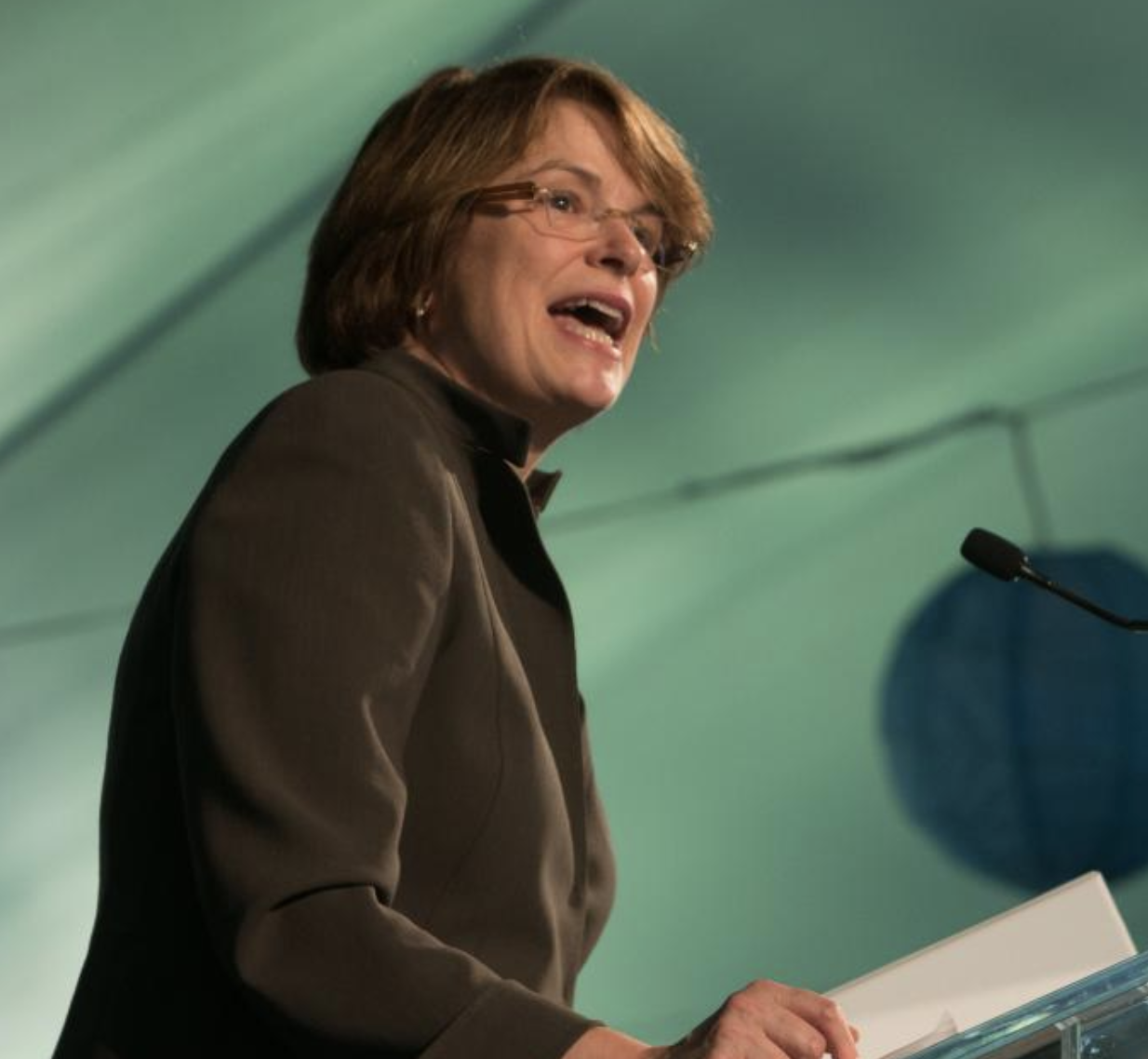
The center will integrate the expertise of scientists and physicians at Brown’s Robert J. and Nancy D. Carney Institute for Brain Science and the Division of Biology and Medicine, home to the Warren Alpert Medical School. Its launch is made possible by gifts of $25 million and $5 million from donors who wish to remain anonymous.
About Center
GET THE LATEST BREAKING NEWS HERE -- SIGN UP FOR GOLOCAL FREE DAILY EBLASTUniversity leaders say the center will build on Brown’s existing strengths in Alzheimer’s disease research, which range from the study of risk genes, cognition and the biology of aging to development of new therapeutics and care of patients with dementia. By linking together scientific and clinical work across these areas, the center will create a uniquely interconnected program with the goal of breakthroughs that change the trajectory of Alzheimer’s disease and related dementias.
Brown President Christina H. Paxson said that with devastating consequences of Alzheimer’s disease and dementia impacting more families every year, the University will bring the full force of its scholars’ medical and brain science expertise to expedite progress toward new treatments. With faculty research fueled by federal funding, Brown ranks among the top 20 universities in the nation for research on the disease.
“This is truly a transformative moment for Alzheimer’s disease and dementia research at Brown,” Paxson said. “We have a robust foundation in place, and by bringing aboard new scholars, investing in facilities and creating the infrastructure to connect the incredible work already happening in our labs and clinical settings, our goal is to accelerate development toward novel treatments and cures in the fight against this devastating disorder.”
Diane Lipscombe, a professor of neuroscience at Brown who leads the Carney Institute, said that despite scientific progress, there is much to learn about the biology of Alzheimer’s and related dementias. Addressing such complex diseases requires the integration of expertise across multiple fields of study.
“The aim of the new center is to convene that expertise at Brown,” said Lipscombe, who will serve as the initial director of the Center for Alzheimer’s Disease Research. “Ultimately, our work will contribute to a more thorough understanding of the most fundamental mechanisms involved in neurodegeneration, which will enable earlier diagnosis as well as the creation of treatments that will not just slow degeneration but also prevent it.”
Brown's Alzheimer's Research
Lipscombe has directed Brown’s brain science institute since 2016, a period over which its scholars have made new advances in developing assistive technologies to restore communication and mobility to people affected by paralysis; created new tools to map brain circuits that control behaviors, enabling scientists to make new discoveries in neuroscience; and developed computational software that is producing groundbreaking insights into the nature of rhythmic brain activity.
“At Carney, we’ve been able to achieve a lot in a short period of time by working within the collaborative, cross-disciplinary environment that is Brown University,” Lipscombe said. “With this Alzheimer’s disease center, we will similarly create the framework for scholars in basic science to interact with clinical researchers in our affiliated hospitals. When there’s a common drive to make an impact among so many talented experts across fields, that’s when you have enormous potential to really change the trajectory of this disease.”
Dr. Jack A. Elias, who leads biology and medicine at Brown, recalled a moment several years ago when the idea for the Center for Alzheimer’s Disease Research started to crystallize.
“After yet another disappointing announcement that a pharmaceutical effort to treat Alzheimer’s had failed, it became clear that it was time to bring new expertise and perspective to bear on this challenge,” Elias said. “Brown not only has a tremendous amount of talent in basic science research and discovery, but also excellent clinical activities and world-class Alzheimer’s care at its affiliated hospitals. These gifts and the launch of this center make it possible to bring all those brilliant people together to look at this disease in a different way.”
Fundraising in Focus
The $25 million investment from the new center’s lead donor, and the additional $5 million gift in support, mark major progress toward an initial fundraising goal of $50 million for the center and come as part of the University’s BrownTogether campaign, which has raised $2.88 billion to date.
The gifts also build on major philanthropic support for Brown’s cutting-edge work in brain science — of the total contributed to BrownTogether to date, more than $218.3 million has been raised to support research and education in brain science, including a $100 million gift that named the Carney Institute in 2018 and a $25 million investment in January, part of which funds computational brain science.
“Among the key priorities of the BrownTogether campaign is to raise funds for Brown research and discovery with the potential to transform treatment and care for people and their families living with Alzheimer's and other devastating diseases,” said Sergio Gonzalez, senior vice president for advancement. “These significant gifts for Alzheimer's research are a testament not only to the generous spirit of our donor community, but to their commitment to the work of Brown scholars to create solutions to the world's most pressing problems.”
Linking basic and clinical research through strategic infrastructure investments
Among the accomplished researchers and clinicians at Brown working to solve the Alzheimer’s puzzle is Dr. Stephen Salloway, a professor of neurology and psychiatry who will serve as the associate director of the center, overseeing clinical research. Salloway has been a lead author on key Alzheimer’s studies that have been published in the Journal of the American Medical Association, the New England Journal of Medicine and more. He leads the Memory and Aging Program at Butler Hospital, a globally recognized clinical research center focused on Alzheimer’s, and an affiliated hospital of Brown’s medical school.
The holy grail in Alzheimer’s research, Salloway says, is a simple, effective, widely available blood test for early detection of the disease — one that can identify who is predisposed to developing memory loss and other dementia symptoms, so that treatments can be administered as early as possible.
The gifts to Brown will aid in that quest by establishing a fully staffed fluid biomarker facility. The facility will enable researchers to collect from patients and analyze fluid biomarkers such as cerebrospinal fluid and plasma samples, identify gold-standard Alzheimer’s disease biomarkers, develop new hypotheses about the disease and assess the efficacy of clinical trial treatments.
“I would like to see Brown help to open the modern era of treatment for Alzheimer’s disease, where patients can receive an early and accurate diagnosis and start on treatments that preserve memory and quality of life,” Salloway said. “We are also entering a time where older people can safely learn about their risk for Alzheimer’s and take steps to keep their brain healthy — this center can help them do that, and the fluid biomarker facility will be an essential tool in enabling our success.”