


How Telemedicine is Helping LGBTQ+ Healthcare: Brown Alpert Med School’s Giordano-Perez LIVE
Smart Health on GoLocalProv
How Telemedicine is Helping LGBTQ+ Healthcare: Brown Alpert Med School’s Giordano-Perez LIVE
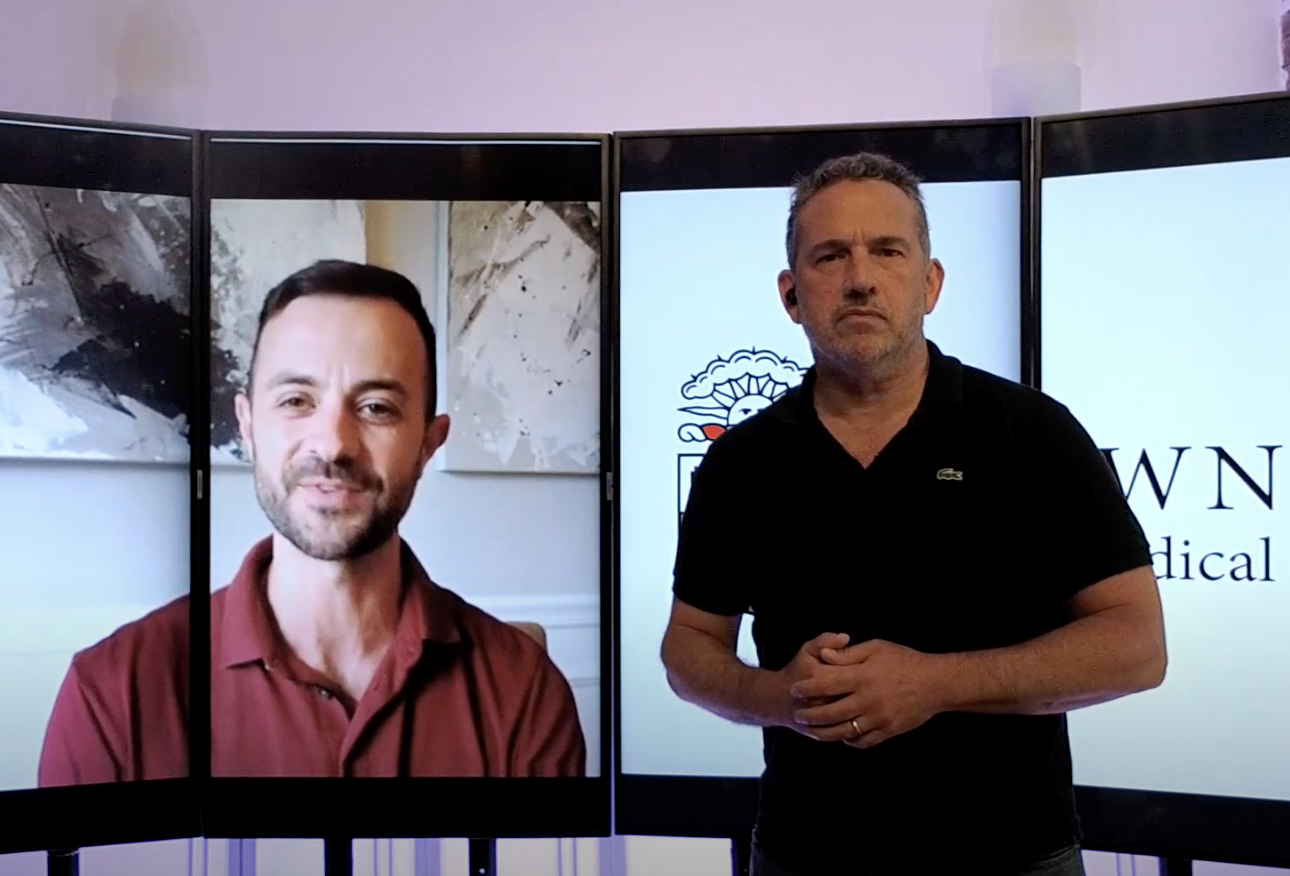
“Anyone who identifies as LGBTQ+ on a daily basis experiences micro aggressions, macro aggressions, discrimination in our country at large, and even at home here in Rhode Island,” said Giordano-Perez, who is a Family Medicine Specialist in Johnston. “Those aggressions are even more obvious in the healthcare setting.”
GET THE LATEST BREAKING NEWS HERE -- SIGN UP FOR GOLOCAL FREE DAILY EBLAST“We know now, from multiple studies that have been done, that LGBTQ+ identifying people are much less likely to have a primary care provider, much less likely to be up to date on preventive care services like cancer screenings, are more likely to develop a substance use disorder, suffer from depression, anxiety, and are at higher risk for certain health problems in particular,” he said.
“It’s an interesting population to target, because it’s a population that doesn’t have great access to healthcare — it’s low hanging fruit in a sense, it’s a population we can make a big change, and really help, and doesn’t take a lot to do that,” said Giordano-Perez. “Especially in light of this pandemic we’re having, we’re having to get really creative and innovative in how we can get access to healthcare to individuals who can’t come into clinic.”
Healthcare Setting Critical -- Telemedicine Breaks Some Barriers
“A lot of the access issues to LGBTQ+ individuals have been around being comfortable, being safe in clinical settings — whether there are signs that show that this is a safe zone, or a safe place to be yourself that there’s no discrimination regardless of your sexual orientation, gender expression, gender identity — whatever it may be — that’s a barrier that’s kind of been lifted in a sense with this whole movement towards telehealth,” he said.
“So we have access now to reach out to patients — provider to patient, skipping front desks, skipping medical assistants, skipping registered nurses at times,” he added. “I think that’s been helpful in some ways because there’s fewer people involved. It doesn’t however fix the bigger issue, which is we need more clinical spaces that are safe zones and safe places for LGBTQ people to go and get access to healthcare. But it’s definitely been interesting having telehealth as an option."
Giordano-Perez received his undergraduate degree from Brown in 2008, before graduating from the Brown Alpert Medical School.
He is the Medical Director at the Tri-County Community Action Agency Health Center; Assistant Clinical Professor of Family Medicine and Co-Director, Care of the Underserved Scholarly Concentration and the Alpert Medical School at Brown University; and the Interim Chief Medical Officer at the HealthFirst Family Care Center.
About Alpert Medical School -- and Smart Health
Since granting its first Doctor of Medicine degrees in 1975, the Warren Alpert Medical School has become a national leader in medical education and biomedical research.
By attracting first-class physicians and researchers to Rhode Island over the past four decades, the Medical School and its seven affiliated teaching hospitals have radically improved the state's health care environment, from health care policy to patient care.
"Smart Health" is a GoLocalProv.com segment featuring experts from The Warren Alpert Medical School GoLocal LIVE.