


Brown-Based “Costs of War Project” Has Chronicled the Dollars & Deaths of Iraq and Afghanistan Wars
GoLocalProv News Team
Brown-Based “Costs of War Project” Has Chronicled the Dollars & Deaths of Iraq and Afghanistan Wars
VIDEO Produced in 2011
GET THE LATEST BREAKING NEWS HERE -- SIGN UP FOR GOLOCAL FREE DAILY EBLAST
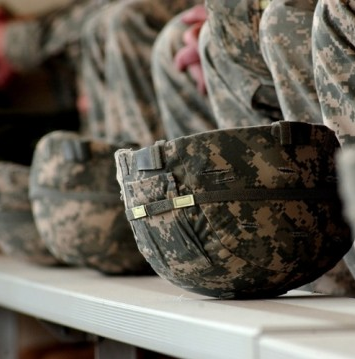
At the time in which the initiative was launched, America had been involved in the war in Afghanistan for nearly ten years.
The initiative, The Costs of War, has provided an independent analysis of the monetary costs to the United States as well as the human toll — the numbers who died and were wounded.
Through the years GoLocal has reported on the research. The studies have been a leading source of data for the media, policymakers and Congress. As examples:
NEW: Brown: Cost of U.S Wars—$4 Trillion and 225,000 Lives (Wednesday, June 29, 2011)
NEW: Cost of U.S. War on Terror Stands at $6.4 Trillion & 801K Lives, Says New Brown Report (Wednesday, November 20, 2019)
With the United States pulling out of the military involvement in the two battle zones, what is the future of the research initiative?
Professor Catherine Lutz of the Watson Institute for International and Public Affairs at Brown University, one of the project directors of the Costs of War Project, tells GoLocal, "I think the project has had an impact both on public understanding of the war, and in Washington, where our data and reports on the wars have been widely used in floor speeches and legislative actions."
She said, "To the extent that our work has had some impact on shaping public opinion about the wars (as being much more expensive, less effective, and most damaging to human lives (especially civilian lives) than people recognize or politicians have let on, I think it has given support to those within the policy world who have taken seriously these costs and public opinion about them."
Regarding the future of the project, Lutz says it will go on.
"The project will absolutely continue. We will continue to track the costs of these wars, which are not over by any means [such as] costs for the care of war veterans and costs for interest on war debt," said Lutz.
"We will also report on the problem with our war system more generally, which continues to get the lion’s share of our discretionary federal budget, create massive environmental damage, and promote a distorted view of how the international system of development and conflict resolution should work," she adds.
As of publication, the Biden administration had returned 3,000 troops to Afghanistan to assist in the evacuation of Americans and certain Afghanistan citizens.