


COVID and the Flu: 7 Things to Know About a Possible ‘Twindemic’
Nick Landekic, Guest MINDSETTER™
COVID and the Flu: 7 Things to Know About a Possible ‘Twindemic’
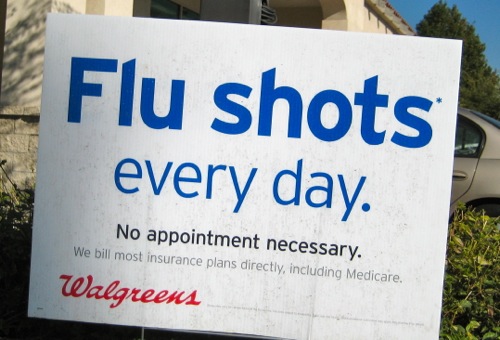
The two viruses are not mutually exclusive, and do not respect each other’s infection. COVID is more easily spread than the flu and causes more serious illness, but you don’t want to get both – that is a deadly combination you want to avoid. Having the flu and COVID at the same time more than doubles your risk of death.
We are at risk of a ‘twindemic’ this winter, two pandemics at the same time – COVID and flu. Here are some things you might want to know to avoid being part of it.
GET THE LATEST BREAKING NEWS HERE -- SIGN UP FOR GOLOCAL FREE DAILY EBLAST
1. COVID cases are still high in Rhode Island
New COVID cases in Rhode Island have been essentially flat for the past two months at around 300 reported new infections per day, with the actual number certainly much higher than that. This is a level rated as “High” by the CDC, the highest level of infection risk.
Covidactnow.org also reports a “High” level of infection risk, and “Very High” in 4 out of 5 of Rhode Island’s counties.
As a society, we seem to have accepted a dangerous level of community infection as the ‘new normal’, but the risk of getting infected remains high. The coming of a high-risk flu season adds even more hazard on top of this.
2. Flu cases were low last year – which means risk is higher this year
The measures taken last year to curb SARS-CoV-2 transmission – wearing masks, social distancing, reducing travel, closures – also worked to limit the flu. As a result, the 2020-2021 flu season had one of the lowest number of cases ever recorded, though 35 million people still became infected with influenza, 380,000 were hospitalized, and 20,000 died.
The reduction in flu cases last year was a very good thing. However, it could mean we will be hit harder by the flu this year because there is little natural immunity in the community. Studies have suggested a light flu season runs an increased risk of being followed by a heavy one.
With many hospitals already overcrowded and full to capacity with COVID patients, it would be a good idea to avoid risking a case of the flu when there might not be a hospital bed available for you if you need one. Since the risk of becoming infected with SARS-CoV-2 is still high, we want to be extra careful to not also get infected with the flu at the same time.
3. Children are at particularly high risk
Children are at especially high risk right now because of the light flu season last year. Because they had lower exposure to the flu virus last year, they have not had a chance to develop broad immunity. Children are now back in school where they interact with other children and thus are at risk of becoming infected. Additionally, studies have shown children infected with the flu can then bring it home to infect parents and elderly grandparents, who are at especially high risk of serious complications from the flu.
RSV is a highly contagious, flu-like illness that causes symptoms such as runny nose, coughing, sneezing and fever, and is more likely to affect children and older adults. As with the low incidence of flu infections last year, children were not highly exposed to RSV and are now experiencing a surge in infections.
Increases in both COVID and RSV are being seen in children, and 30% of COVID-19 cases in Rhode Island are in children under 18.
Adding flu to this mix could result in a very serious triple threat.
The same way wearing a mask can help protect you against COVID, can also reduce your risk of catching the flu https://www.singlecare.com/blog/cold-and-flu-masks/.
Wearing masks has been a widespread and common practice in Asian countries long before the COVID pandemic. Masks have been used since the 14th century to reduce risk of infection.
Any mask is better than none. Now might be a good time to consider stepping up to N95 or equivalent filter masks (such as Chinese standard KN94, Korean standard KF94, or European standard FFP2). Some studies show that a N95 mask could protect you the wearer the same way from both SARS-CoV-2 and influenza virions (other studies show all masks work comparably well against the flu).
It’s a simple, effective, time-tested tool. A mask is no substitute for vaccination, but at a time like this, don’t you want all the help you can get?
5. Ignoring masking puts you at greater risk of infection for both COVID and the flu
Just as wearing a mask can reduce your risk of becoming infected with SARS-CoV-2 or the flu, ignoring it puts you at greater risk.
It’s now known that most viral transmission occurs indoors where people gather unmasked. When you are indoors with other people, you are sharing their air – and whatever they exhale. ‘Social distancing’ alone is not enough. Depending on air currents and ventilation, you can become infected from much further distances than ‘6 feet.’
A recent study from the Massachusetts Institute of Technology showed that the risks of becoming infected were the same regardless of whether the distance of separation was 6 feet or 60 feet.
The Delta variant is so highly contagious there are reports from Australia of infection being spread in very brief close contacts between people after only 5 to 10 seconds. This is different and more dangerous than previous strains of the virus. People have become infected by a stranger walking past them for just a few seconds.
When you are indoors with other unmasked people, you are sharing their air. It’s been estimated that every breath you take indoors contains 5% of the collective exhaled breaths of everyone else in the room.
The fall and winter holidays are a time when people traditionally gather indoors. Last year this coincided with the largest surge in COVID cases and deaths since the start of the pandemic. Now with a high risk of COVID infection still with us plus with the added possibility of a bad flu season, you might want to think carefully about the risks to you or your children attending parties indoors where people will be unmasked. Do you really want to be breathing everyone else’s exhaled breath right now?
6. Get vaccinated for the flu
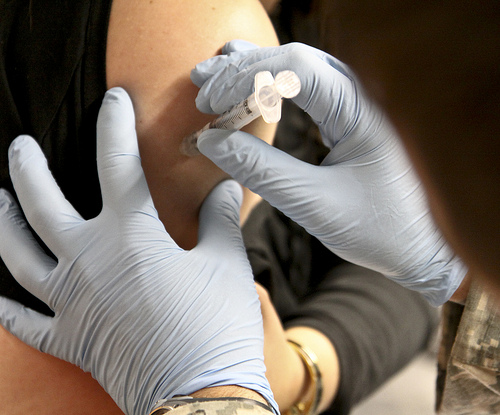
The flu vaccine does not target SARS-CoV-2, but just by getting vaccinated for the flu you lower the risk of becoming infected or developing severe COVID.
This is because the flu vaccine ‘trains’ your body’s immune system and helps protect you more broadly, though a flu vaccine is no substitute for a specific COVID vaccine.
7. Get a booster shot (or your first vaccination) for COVID
If you haven’t yet done so, there are reasons you might want to get a third ‘booster’ dose of COVID vaccine.
The initial vaccine inoculations continue to show good protection against severe illness and hospitalization. However, many recent clinical studies have documented declining protection of the Pfizer COVID vaccine, and increased protection with third doses.
Studies by the Centers for Disease Control have corroborated the same findings as seen in Israel and the Mayo Clinic. A report found that Pfizer vaccine protection against hospitalization declined from 91% in the first four months to 77% after four months (the Moderna vaccine maintained the same level of protection of 93% to 92%). This suggests that nearly ¼ of those who received the Pfizer vaccine and subsequently become infected beyond four months might end up becoming hospitalized for COVID.
“We should not take lightly that anything short of hospitalization is okay. There are plenty of people who get COVID, who don't require hospitalization, who have significant disruption of their lives”, said Dr. Anthony Fauci, Chief Medical Advisor to President Biden and Director of the National Institute of Allergy and Infectious Diseases.
Several studies have shown increased protection from a third dose of the Pfizer COVID vaccine.
A study in the New England Journal of Medicine in 1.1 million people over age 60 showed that a third vaccine dose reduced the risk of infection 11.3-fold, and reduced the risk of severe illness 19.5-fold.
Another study of 2.5 million members of a healthcare service in Israel found a 70-84% reduction in the chances of getting infected 14-20 days after receiving a third vaccine dose.
The very worst time of this pandemic, especially in Rhode Island, was last winter November through February. We’re heading into that time now. This year we have vaccines that were not available last year, but it’s impossible to predict exactly what will happen other than we are still at high risk.
“Too many people are viewing this as a luxury dose. It is not”, said Dr. Michael Osterholm, Director of the Center for Infectious Disease research at the University of Minnesota.
The CDC recommends getting both the flu and COVID vaccines, even if you have already had COVID. Do yourself and your family a favor, and don’t risk becoming a participant in a ‘twindemic’. You can even both shots at the same time.
As with anything related to your health, if you have any questions talk with and follow the advice of your doctor.
Nick Landekic is a retired scientist and biotechnology executive with over 35 years of experience in the pharmaceutical industry.