


INVESTIGATION: DOT Spends $21M on Bike Path
Stephen Beale, GoLocalProv News Contributor
INVESTIGATION: DOT Spends $21M on Bike Path

“We feel that’s a ridiculous way to spend money … when you can spend it in other ways, when our roads are in such a state of disrepair,” said Pete Tanner, an official with the Rhody Rovers Motorcycle Club, one of the organizations that represent the off-road vehicle community in Rhode Island.
GET THE LATEST BREAKING NEWS HERE -- SIGN UP FOR GOLOCAL FREE DAILY EBLAST
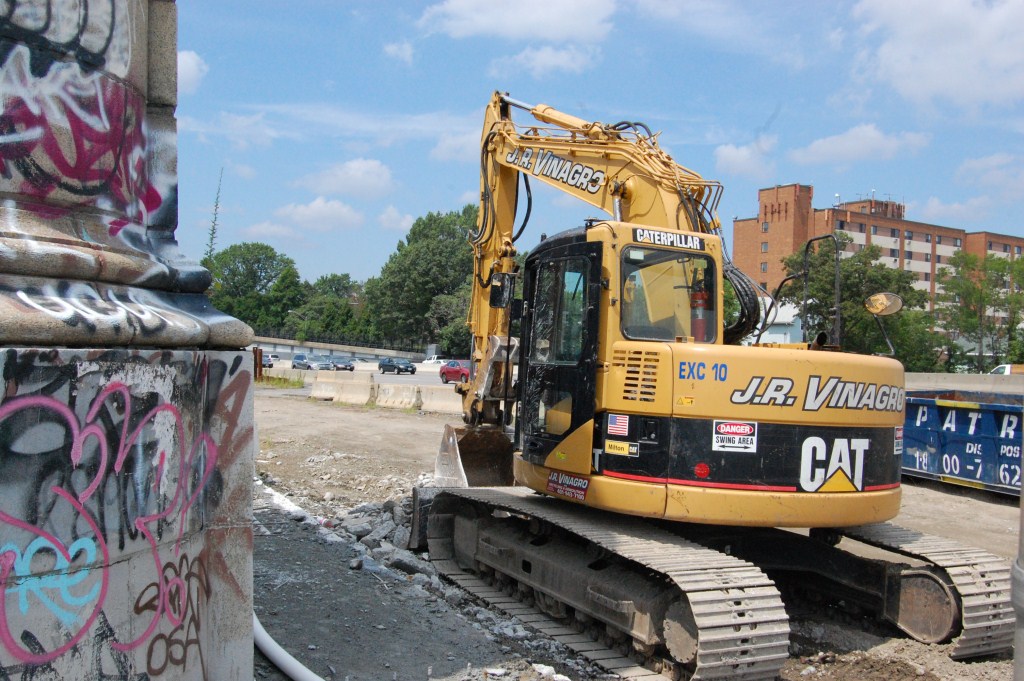
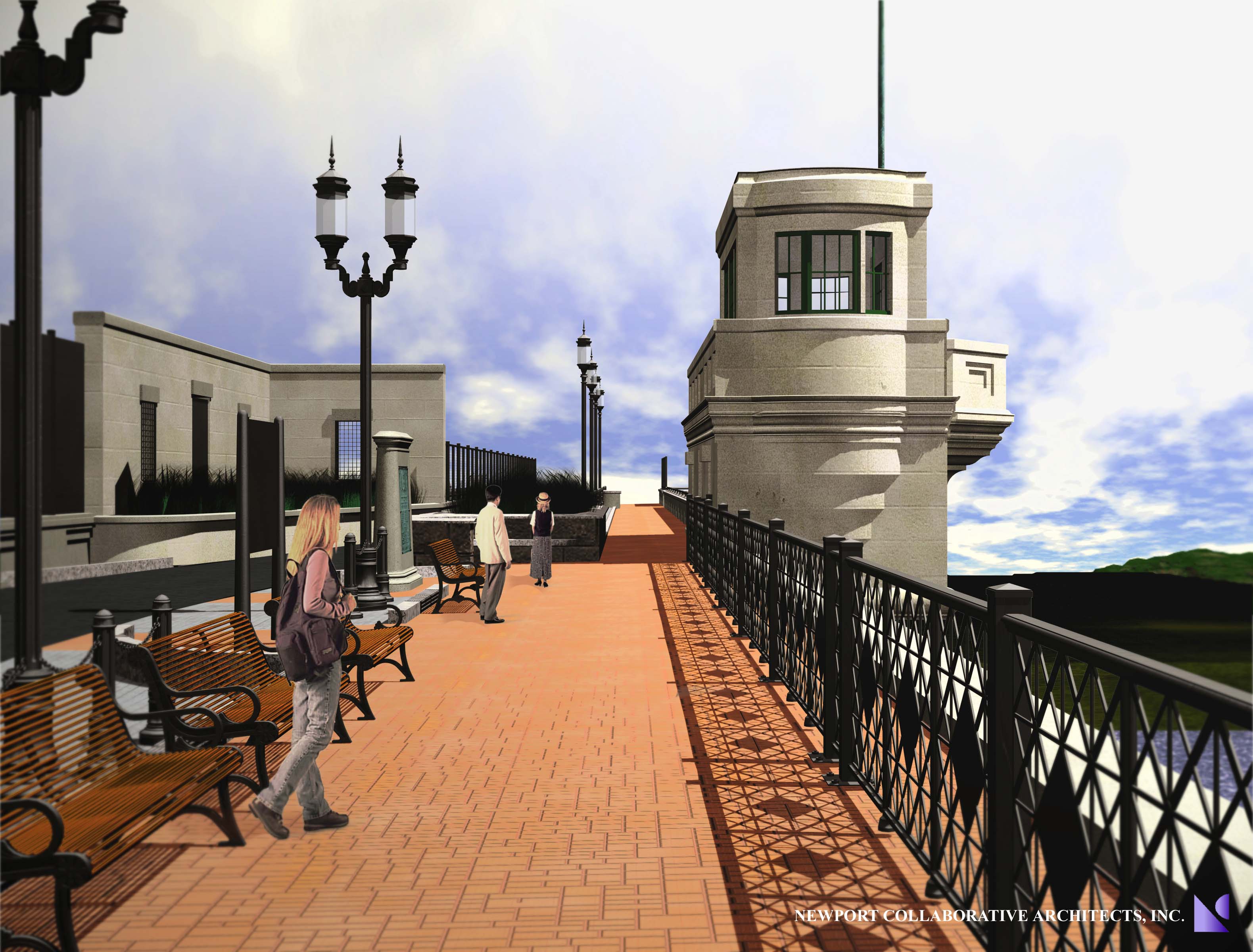
The new path will actually be two paths: a seven-foot wide one for bicycles and an 11-foot wide walkway for pedestrians, with a five-foot wide raised median separating the two.
But, for $21 million, bike path users are getting much more than a wider space. The Department of Transportation plans include ten “ornamental park benches,” an equal number of granite benches, four landscaped planters, and 32 “decorative lights.” The DOT also has set aside about $500,000 out of the total project cost to remodel the 861-square foot operator’s house that hails from the days when it was a drawbridge. In the center, will be a 40-foot wide “scenic outlook” with informational kiosks on the bridge’s 80-year history.
“All of that aesthetic value and all of that historic significance comes at a price,” said Frank Corrao, DOT Deputy Chief Engineer.
‘Icing on the cake’
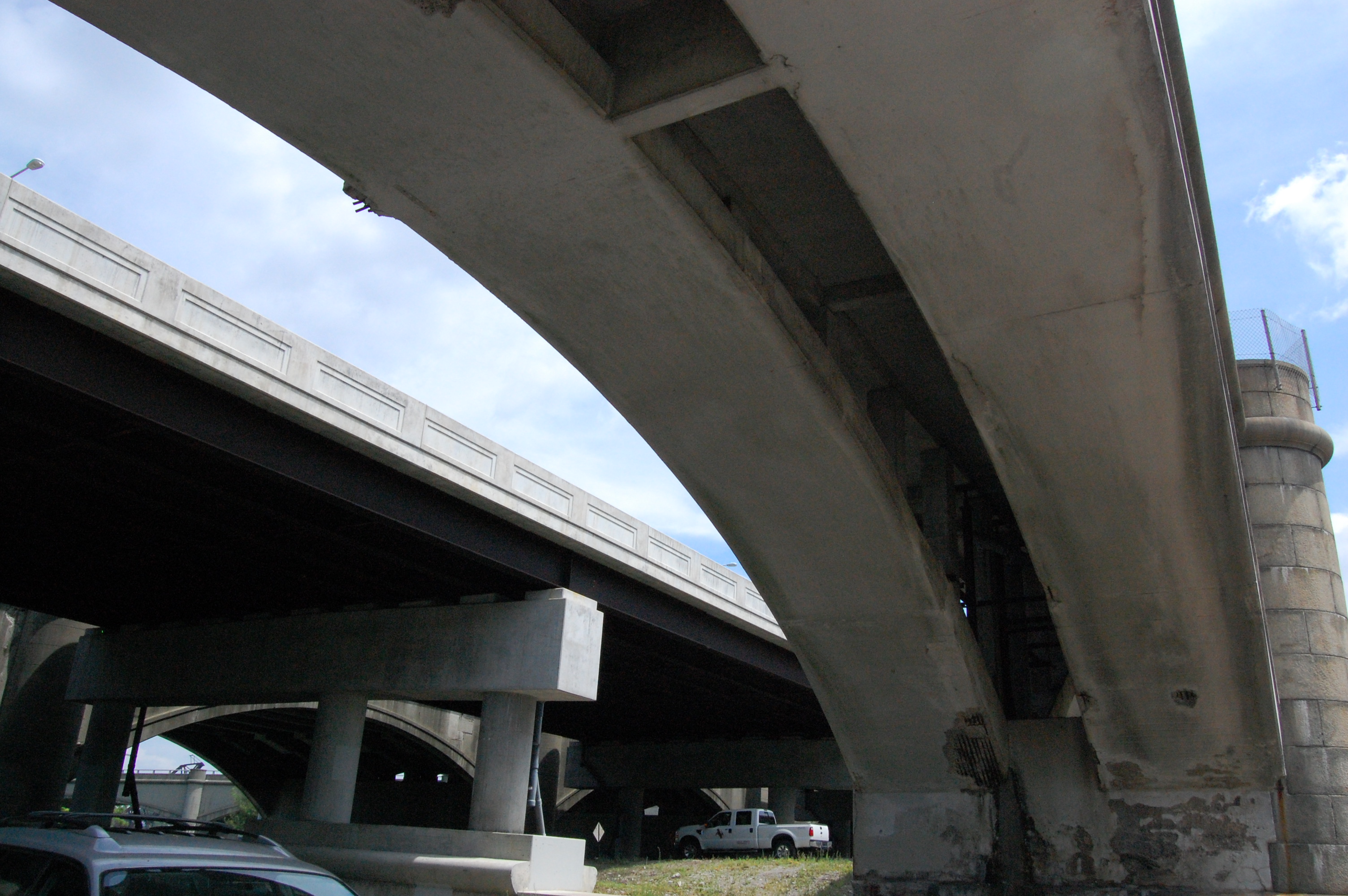
As a point of comparison, the DOT is currently working on resurfacing Interstate 95 in the southern reaches of the state. For 6.6 miles of work, the DOT is spending $7.5 million, a third the cost of the bike path widening.
Blais says the state should focus its scarce resources on fixing what’s broken—like potholes, aging roads, and decrepit bridges first, before doing projects like the one over Washington Bridge. “We’ve got massive infrastructure problems across the state. Let’s take care of those first,” Blais said. “The icing on the cake is always tasty but let’s bake the cake first.”
Bicycle community backs project
But ardent bicycle advocates like state Rep. Art Handy say there needs to be more of a balance between spending on roads and spending on bicycles. “I think in the end we need to recognize roads aren’t just for cars,” said Handy, who declined comment on the specific cost of the Washington Bridge project.
An official with the Narragansett Bay Wheelmen said the group has “long supported” the development of a network of multi-use paths throughout Rhode Island and looks forward to using the revamped path over the Washington Bridge, which will be named the George Redman Linear Park.
“While 21.1 million seems a big price tag for a piece of infrastructure, it will easily last another 50 years and provide immeasurable enjoyment to the residents of and visitors to Rhode Island, eventually allowing one to ride a bicycle from Bristol to Woonsocket, Worcester and Calais, Maine, and southward to Key West mostly on off-road paths,” said Matt Moritz, the advocacy chair for the Narragansett Bay Wheelmen.
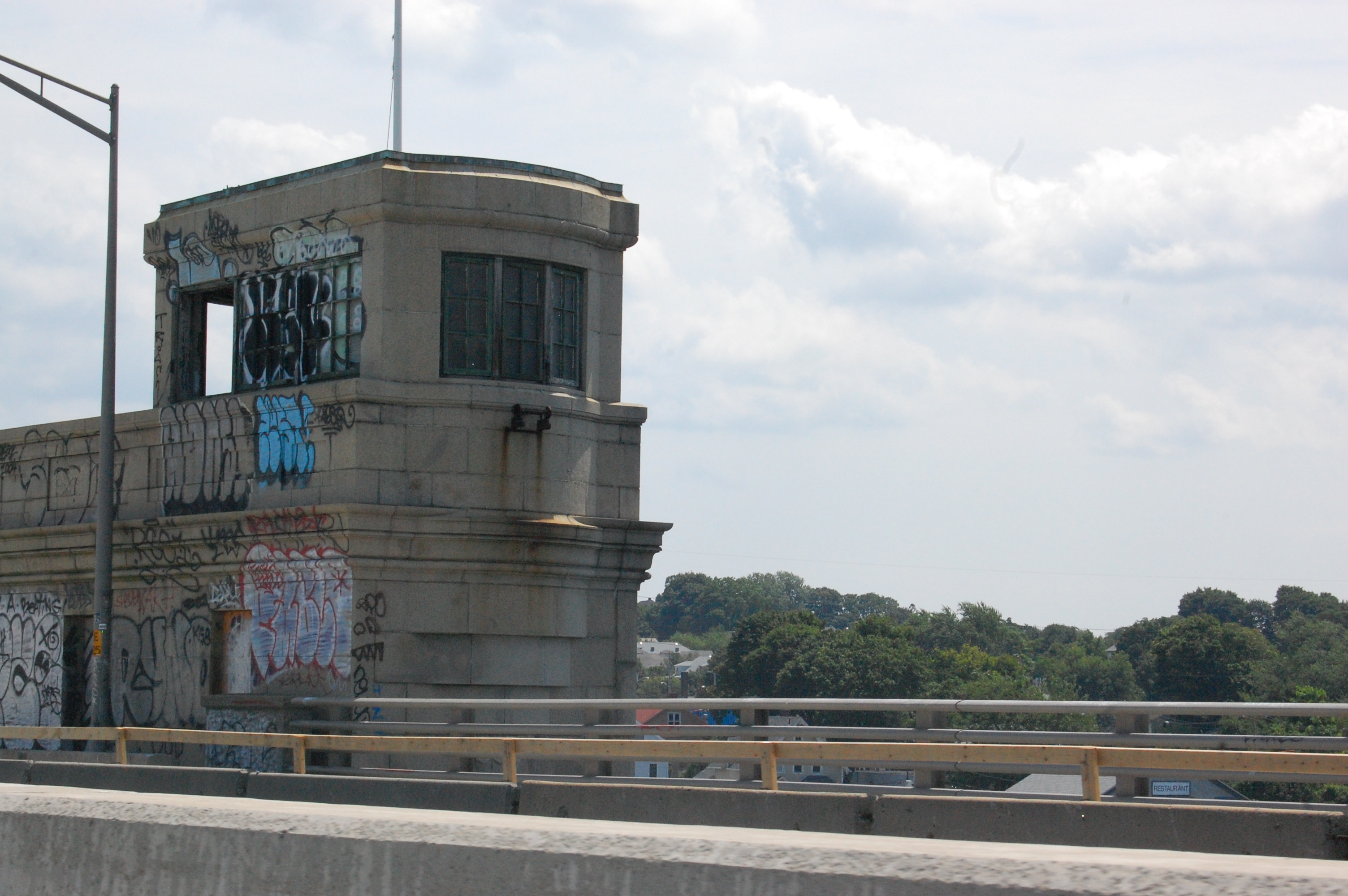
The Rhode Island Historical Preservation and Heritage Commission also backs the project, according to its executive director, Edward Sanderson, who said the Washington Bridge is listed on the National Register of Historic Places.
Sanderson said the bridge, which originally opened in 1930, is historically significant because it was built as part of the expansion of the highway system in the 1920s and reflects the influence of the City Beautiful movement, which was based on a theory of civics that drew a subtle connection between beauty in grandiose public structures and virtuous behavior among citizens.
“It was reflecting city and state pride,” Sanderson said. “It was intended to be a monumental presence.”
As part of its work on the bridge, the DOT signed a memorandum of understanding with the commission, promising to preserve the historically and architecturally significant features of the bridge, according to officials at both agencies.
DOT defends cost
As a result, the cost for the rebuilding of the bridge itself dropped roughly in half—something that Corrao said critics of the $21 million bike path widening should remember. “When people say that’s a lot of money, [it] would have been $110 million,” Corrao said. (Including both the work on the highway and the bike path, the total cost is just over $70 million, a savings of well over $30 million from the original cost, according to Corrao.)
As a stand-alone project, the bike path widening actually was originally slated to cost $33 million. But DOT engineers slimmed down that project too, bringing the cost down to its current estimate of $21 million, which includes $2 million for work on the section of the bridge passing over Warren Avenue in East Providence, according to Corrao. (The project is being funded through federal Grant Anticipated Revenue Vehicle (GARVEE) funds.)
‘There will always be critics for everything’
Supporters of the bike path widening point out that it will provide an invaluable connection between the East Bay Bike Path, the India Point Park, several bike paths in the City of Providence, and the Blackstone River Valley Bikeway. Corrao said the DOT also had to honor the commitment it had made to preserve the architectural features of the bridge.
Of course, critics would maintain that all those goals could be achieved without spending a dime and simply keeping the narrow bike path as it exists today. But Corrao dismisses that as do-nothing naysaying. “There will always be critics for almost anything and everything any state agency will do—and the federal government,” Corrao said. “If people want to focus on that price tag, they can do that. We would like people to focus on the end product.”
The project, which began last month, is scheduled to take two years—half the time it took to rebuild Interstate 195 over the same bridge (the project began in 2004 and was completed around 2008).
During the two years the bike path over Washington Bridge is closed, bicyclists are being redirected over the Henderson Bridge, which has little to light traffic and is already wide enough to accommodate an expanded bike path.
But the Henderson Bridge could not be used as a long-term, cost-saving alternative to the Washington Bridge, Corrao said, because of the work the state would have to do to the roads along the East Providence side to make them ADA-compliant.