


Memorial Hospital Will Not Be Used for Coronavirus Overflow, Says State
GoLocalProv News Team
Memorial Hospital Will Not Be Used for Coronavirus Overflow, Says State
“Memorial Hospital has not been inspected since its closure. At this point, it could not be used,” said Joseph Wendelken, the public information officer at the Rhode Island Department of Health.
Memorial Hospital was closed on January 1, 2018, by Care New England with the approval of the RI Department of Health. As a result of the closing, 800 employees lost their jobs.
GET THE LATEST BREAKING NEWS HERE -- SIGN UP FOR GOLOCAL FREE DAILY EBLAST
Coronavirus Could Cause Massive Overflow
In Rhode Island, the existing healthcare system could see hundreds or thousands or serious healthcare emergencies.
According to Wendelken, Rhode Island has 3,474 beds across the state.
Dr. Michael Fine, the former RI Director of Health, has called for Memorial to be prepped if needed.
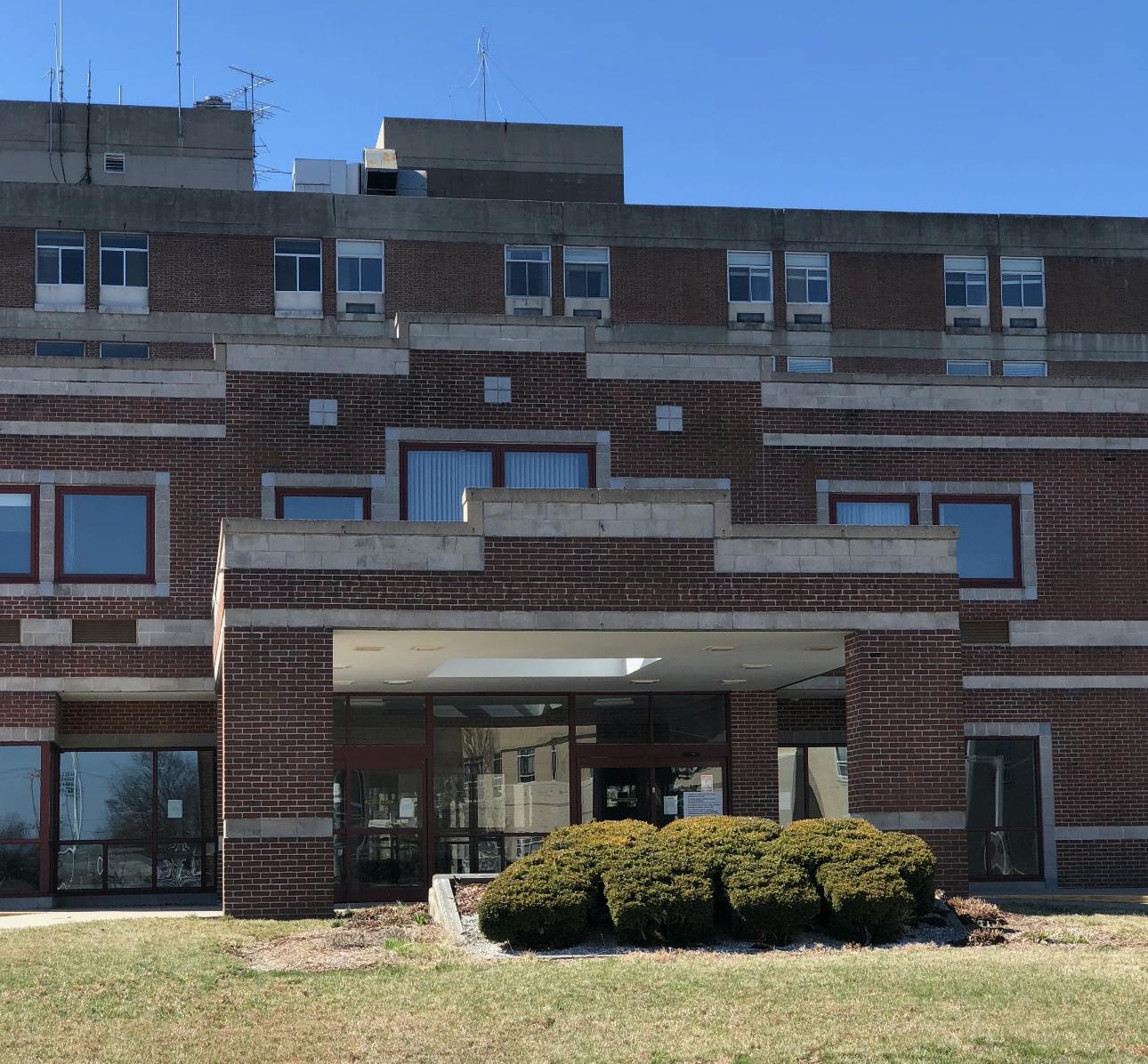
A GoLocal tour of the exterior of the building finds that the campus abandoned. While hedges are trimmed, the building is dark and shuttered.
A report issued in February -- two years after the closing -- found Care New England’s decision to close Memorial Hospital has had an adverse impact on care, decreased access to healthcare and sent patients out of state for care.
The report commissioned as part of the 2018 closure of Pawtucket’s Memorial Hospital finds that the Rhode Island healthcare system was significantly disrupted and the access to care for those in the Blackstone Valley most impacted were those with language barriers, emergency needs, mental health issues, and drug overdose emergencies.
The 285-page report was conducted by John Snow, Inc. -- a global healthcare research company.

Following the closure of the hospital, CNE said it intended to provide certain community-based primary and specialty care services in Pawtucket.
Union officials warned of the impact, “This is a blatant and irresponsible attempt by Care New England to sidestep the reverse certificate of need process and begin shuttering Memorial Hospital before state regulators have authorized any such measures," said UNAP at the time of closure.
The consultant found that the closure of MHRI "removed a 'nucleus' of health care services for communities with high healthcare need. Although inpatient utilization had declined over the years, residents continued to use emergency services, hospital outpatient services, and ancillary services located on the MHRI campus."
And, "The closure of MHRI emergency department reduced access to primary care services for the service area population and demonstrated the need for enhanced primary care within the service area."