Our Environment: “East Side Sunrise” By Scott Turner
Scott Turner, Environmental Columnist
Our Environment: “East Side Sunrise” By Scott Turner
At daybreak on February 3, the American Cardinal singing atop a street tree in Providence was the combined result of increased daylight and warmer temperatures.
The bird’s loud whistling refrain was also a mid-winter suggestion of transformation ahead.
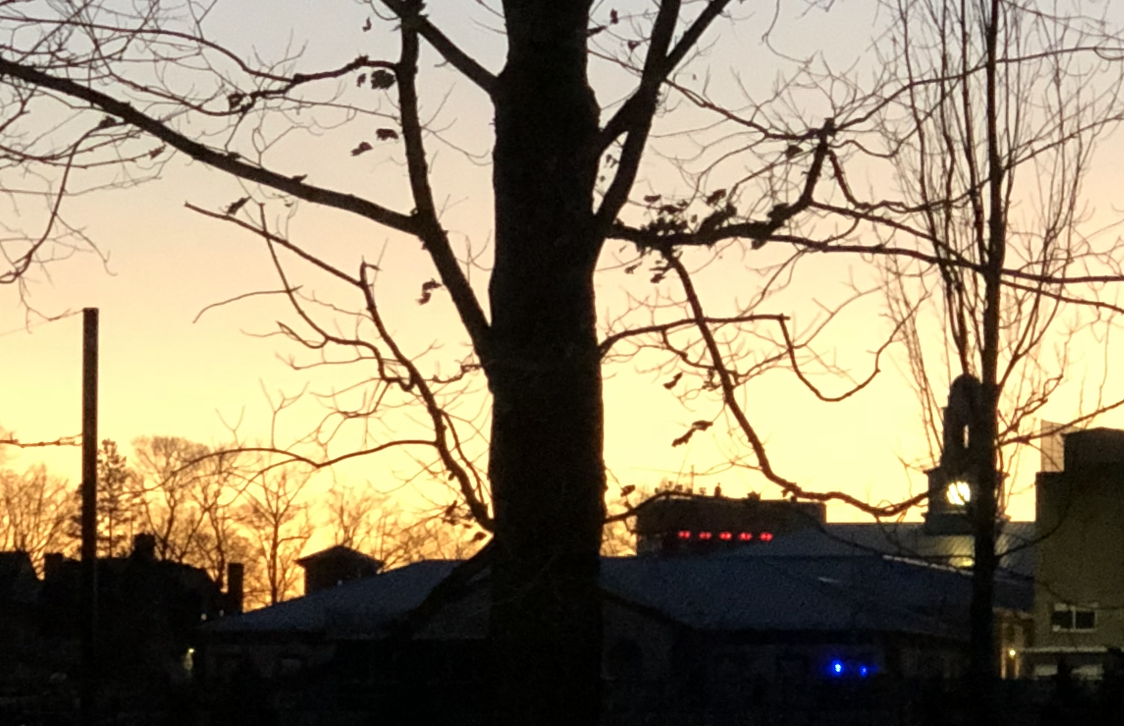
GET THE LATEST BREAKING NEWS HERE -- SIGN UP FOR GOLOCAL FREE DAILY EBLASTOne way that I get through the weeks before seasonal change takes hold (or winter departs) is to take a few minutes each morning to marvel at the rising sun, whenever skies are clear.
Multiple mornings over the past two weeks, I’ve watched an orange and gold pre-sunrise sky, framed in blue and green, morph into bright yellow as the sun appeared.
Doing so, I’ve also had the good fortune of observing several other twinkling celestial bodies in the sky besides the sun.
Last week, for example, both Venus and Jupiter were bright objects in the morning heavens. Later in the week, Saturn joined the planet parade. I was able to sort out those sightings by consulting “Ladd Skies,” the weekly newsletter of Ladd Observatory.
Then there was the Moon. It began the week as a bright waning crescent, its brilliance the result of Earthshine, which, Ladd noted, was, “the Earth's reflected sunlight striking the surface of the Moon, allowing us to see the dark section of the Moon in a kind of ghostly grayish tone.”
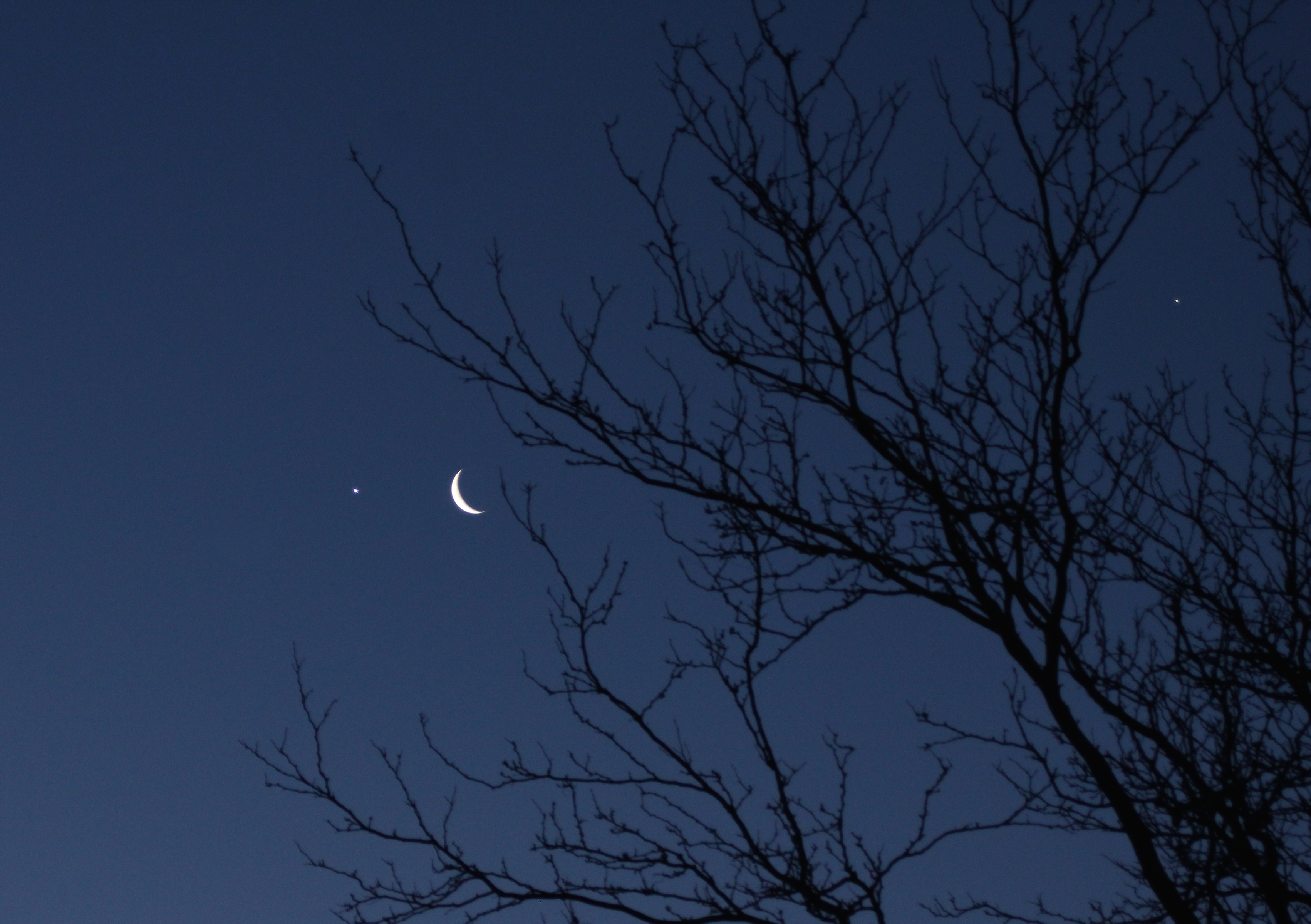
Over the next few days, the Moon waxed, and the Earthshine returned. Said Ladd, “as the Moon travels toward 1st quarter phase next Tuesday (Feb. 12), it will be within three degrees south of our farthest planet Neptune - if you'd like to try to find this far-off member of our neighborhood, and on Sunday, the Moon will be just a few degrees south of both Mars and Uranus.”
Reading about the Moon, I learned that when it’s new, we don’t see it, “because the new Moon isn’t in the sky at night. It is rising and setting with the sun,” according to a NASA website, which added, “If you’re lucky, know exactly where to look, have the right equipment, etc. you might be able to observe the new Moon as a waxing crescent immediately after the sun sets or as a waning crescent before the sun rises.”
In the days that followed after I heard the cardinal, several other avian singers fired up their vocal chords. On our block, these species included Black-capped Chickadee, House Finch, Mourning Dove, Song Sparrow, Tufted Titmouse and White-breasted Nuthatch.
As I wait for one season to replace the next, I also think of lyrics from “Morning has Broken,” by Cat Stevens, who changed his name to Yusuf Islam:
Morning has broken like the first morning
Blackbird has spoken like the first bird
Praise for the singing
Praise for the morning
Praise for them springing fresh from the world.
As we move through February here on Earth, the morning sky will continue to provide us with glowing sunrises, glistening lunar crescents and other shapes, twinkling stars and sparkling planets. Beholding these wonders is a great way to start every day.