


Proposed Pawtucket Soccer Stadium Is Seeking $25M More in Additional State Funds
GoLocalProv News Team
Proposed Pawtucket Soccer Stadium Is Seeking $25M More in Additional State Funds

A meeting of the Commerce Corporations’ Investment Committee is now scheduled for Tuesday afternoon to take up the ask. The developers are reportedly asking for $25 million more.
According to the Investment Committee's agenda:
GET THE LATEST BREAKING NEWS HERE -- SIGN UP FOR GOLOCAL FREE DAILY EBLASTTo discuss a proposed project by Fortuitous Tidewater OZ, LLC.*
The applicant is undertaking the construction of a soccer stadium and development project on parcels on both the east and west sides of the Seekonk River immediately south of I-95 located in Pawtucket.
READ 2019 GOLOCAL INVESTIGATION INTO THE TEAM BEHIND FORTUITOUS PARTNERS
This new ask is on top of the $70 million that the state and the City have already committed in infrastructure and incentives.
Developer Brett Johnson, CEO and founder of Fortuitous Partners has told Rhode Island leaders that the project is facing difficulties due to increased construction costs. He did not respond to requests for comment.
For three years, Johnson and his team have pumped out slick renderings and promotional videos.
But, the project has required extensions since the very beginning of the project. The proposal has been scaled down and now it is running over budget.
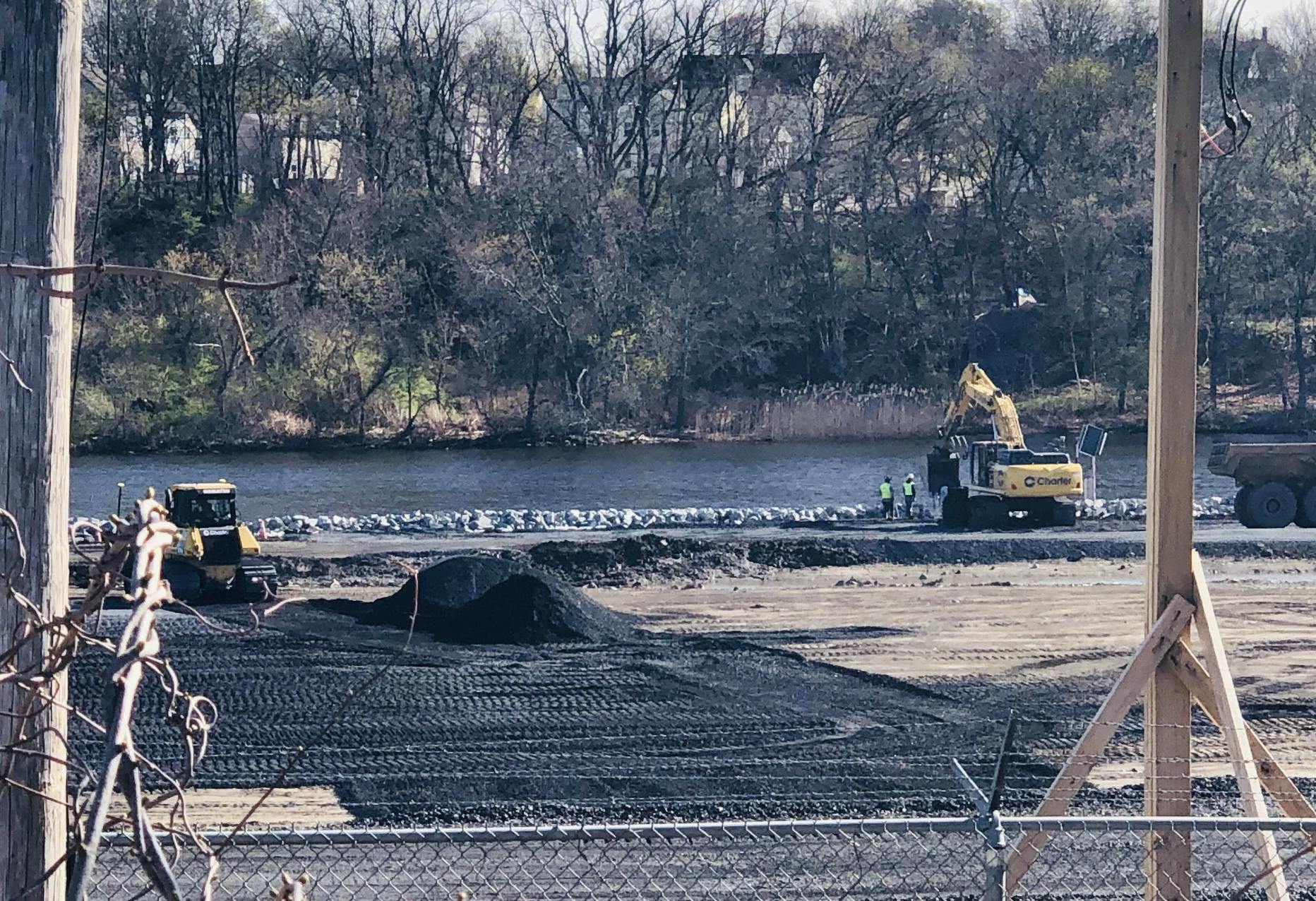
The project continues to fall behind. According to the schedule provided by the developer to state and city officials -- the soccer stadium was to be completed in the first quarter of 2023, but today the site is an empty lot.
Questions About the Viability of the Project by Experts
In 2020, GoLocal talked to top stadium experts about the viability of the soccer stadium project in Pawtucket:
Vic Matheson, Professor of Economics at the College of the Holy Cross in Worcester told GoLocal, “It’s hard to believe a minor league soccer project is a priority for public funds now or in a couple of years."
Matheson, who is a self-identified soccer fanatic, said the coronavirus has done untold damage to minor-league soccer.
“This team could also be going back into a league that is weaker than the league it’s in now. This is a league with 100 teams and different tiers. Minor league sports are, above everything, the sort of thing to get crushed by coronavirus — everything they do is about getting people into the stadium. That’s not going to be happening with this team,” said Matheson.
“And this isn’t Lucchino — this isn’t John Henry, or Bob Kraft. These are often shoestring operations. [Coronavirus] could bankrupt a reasonably large number of teams in that league and suddenly this isn’t the league it was before,” added Matheson.
Neil deMause, the author of “Field of Schemes” and writer for VICE and the Village Voice, has been a vocal critic of public funding of stadiums.
“‘Financially viable’ as in will it repay its costs for the developers? Or for the public? Or is it a worthwhile use of public funds in a time when budgets are being slashed? They’re all slightly different questions,” said deMause.
“But in the broad scheme of things: There are untold reams of academic studies that prove pretty definitively that sports development projects create a tiny sliver of the economic impact their proponents claim,” he added.
“While the coronavirus crash shouldn’t make a huge difference in the long-term viability of a proposed project like Pawtucket’s — even if sports doesn’t return until 2022, that’s not hugely significant when you’re looking at 30-year impact — it does throw into sharp relief how important it is not to throw money recklessly at every ‘job-creating’ project that comes along, because that’s money you may need when hard times come along,” added deMause.