


Raimondo Administration Defends Vaccination Strategy, But Numbers Don’t Add Up
GoLocalProv News Team
Raimondo Administration Defends Vaccination Strategy, But Numbers Don’t Add Up
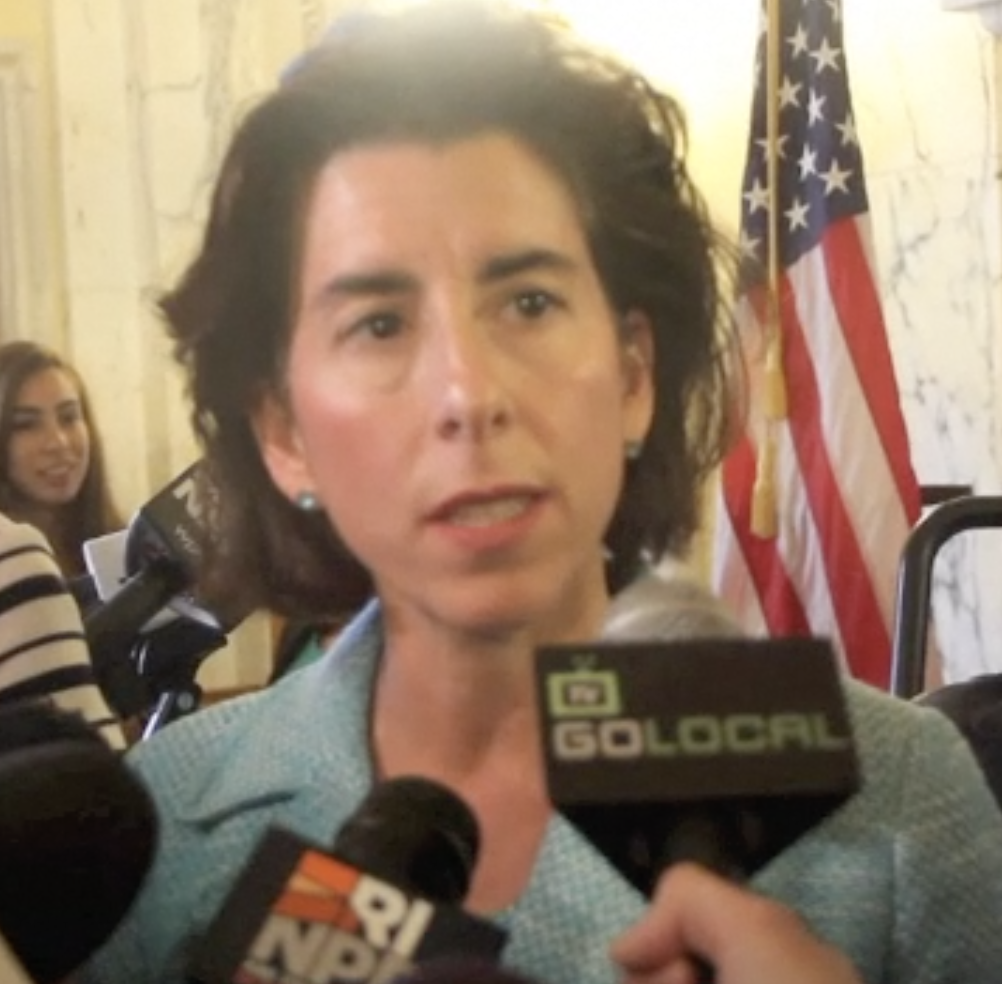
“Because of the targeted approach we’ve taken to reach those most at-risk of hospitalization and death, Rhode Island has seen a significantly higher reduction in hospitalizations compared to our neighboring states. From January to February, Rhode Island saw a 46% decline in hospitalizations, compared to a 32% decline nationally and a 22% average decline in our neighboring states,” said Audrey Lucas spokeswoman for Raimondo.
During this period nationally both hospitalizations and deaths have declined, but in Rhode Island, deaths related to coronavirus have continued at record pace.
GET THE LATEST BREAKING NEWS HERE -- SIGN UP FOR GOLOCAL FREE DAILY EBLASTIn just the last 30 days 362 Rhode Islanders have died. On Thursday, state officials reported another 15 deaths.
RI's Dismal Rankings
Since the beginning of the pandemic, Rhode Island is ranked 3rd highest for cases per capita and 4th highest for deaths per capita. Coupled with the last ranking for vaccinations, Rhode Island has the worst rankings of the three most important measures.
Rhode Island does continue to be ranked number 1 in tests completed, but that strategy has proven to have little value against cases and deaths.
In early January, Raimondo was nominated to be U.S. Secretary of Commerce under President Joe Biden. U.S. Senator Ted Cruz has placed a hold on Raimondo's nomination.
Joseph Wendelken of the Department of Health said, “On the rankings, Rhode Island took a very targeted, strategic approach in the first portion of our vaccination campaign. Our goal is to prevent hospitalizations and deaths. To do that, we made a strategic choice to prioritize vaccinating residents in our nursing homes and assisted living facilities. We did that because we know that our nursing homes are where we have seen the majority of our fatalities. And it is critical that we get our healthcare workers vaccinated in advance of the new, more contagious strains coming to Rhode Island.”
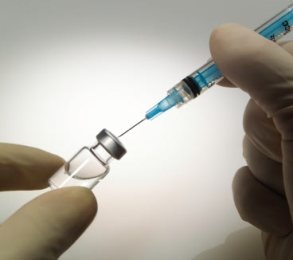
According to Dr. Michael Fine, the disease is often carried into the nursing home facilities by workers who are low paid and live in lower-income, densely populated areas of the state — cities like Central Falls, Providence and Pawtucket.
Those three cities have consistently led the state with among the highest infection rates.
“What I am hearing is anecdotal from some of my members. On average, I am hearing that about 60% of staff have been getting the vaccine. Of those that did not get the vaccine in round 1, some said they were going to wait till the second round to get their first dose. I expect the average of 60% to go up after the second round,” said Scott Fraser, president and CEO of the Rhode Island Health Care Association, which represents more than 80 percent of nursing homes in the state.

The Raimondo administration's says their strategy takes longer.
“This targeted approach takes more time than mass-vaccinating in public clinics. For that reason, other states currently have higher administration rates than Rhode Island. However, because of the approach we’ve taken, we have seen precipitous drops in cases among healthcare workers and cases in our nursing homes,” said Wendelken.
In fact, every other state has used a higher percentage of the doses it has been sent than Rhode Island. Alaska leads the country in percentage of the population to receive a dosage at 18.2% -- and Rhode Island is last at 10.2%.
Interestingly, Alaska has a higher percentage of minorities and natives in the state and a higher percentage receiving first dose of vaccine than Rhode Island.
"We are doing everything we can to get shots in arms to our most vulnerable populations as quickly as possible. Later this week we will open two mass vaccination sites for Rhode Islanders for age-based vaccinating. Vaccinating in this way is faster and less operationally complex. When these sites are open, we fully expect that our administration rate will rapidly improve,” added Wendelken. Presently, Rhode Island has more than 80,000 doses unused.
What neither spokesperson spoke to was the confusion, lack of organization or poor planning that has driven criticism from top officials and frustrated Rhode Islanders. Only this week did the state launch a registration system for those 75+ to register to vaccinate and then was only completed after months of criticism.
Mayors across Rhode Island have called for Raimondo to resign, including Warwick's Frank Picozzi and Cranston's Ken Hopkins.
On Monday, Lt. Governor Dan McKee publicly criticized Raimondo’s management of the vaccination program. On Thursday, he refused to participate in the Raimondo administration’s weekly update.