


RI Tourism Spending Lags Far Behind Rest of U.S.
Stephen Beale, GoLocalProv News Contributor
RI Tourism Spending Lags Far Behind Rest of U.S.
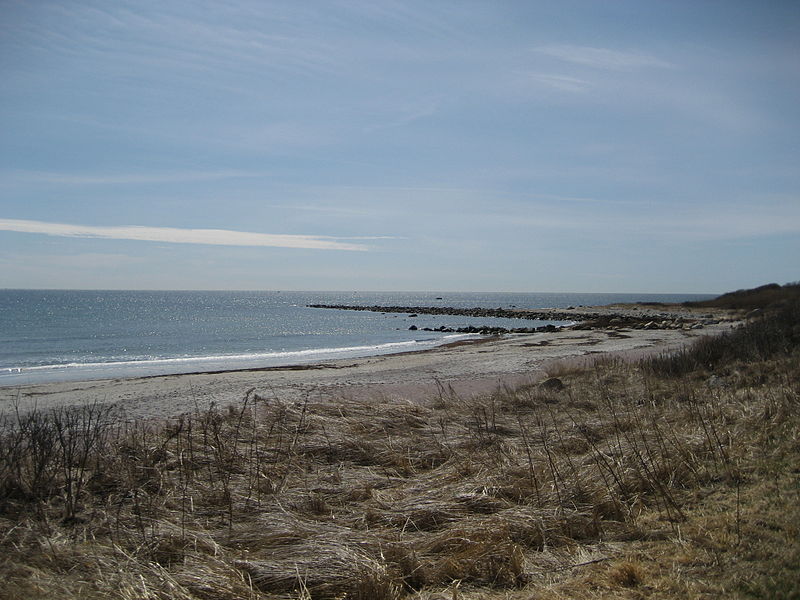
Just three states funded their tourism offices at a lower rate: Ohio, Indiana, and Pennsylvania.
In order to fairly compare the Ocean State with others, GoLocalProv examined the budgets for state tourism offices as a ratio of overall state spending. Even when adjusted for the relatively its relatively smaller financial footprint, Rhode Island still ranked almost dead last.
GET THE LATEST BREAKING NEWS HERE -- SIGN UP FOR GOLOCAL FREE DAILY EBLASTIn fiscal year 2013, the most recent for which the data was available, Rhode Island budgeted $710,000 for its state tourism office, .009 percent of $7.8 million of overall spending, according to figures from the National Association of Budget Officers and skift.com, a global travel news and information site.
States like New Hampshire have similar-size budgets but devoted more of them to tourism promotion. New Hampshire spent .137 percent of $5 billion in expenditures on tourism promotion, a rate 15 times higher than Rhode Island. Massachusetts spent more than double at the rate of Rhode Island, with $6.9 million of its $57.5 billion in expenditures set aside for marketing the state to tourists. (See below slides for figures for all states.)
“I do think we could do better compared to them,” said Jody Sullivan, executive director of the Newport County Chamber of Commerce.
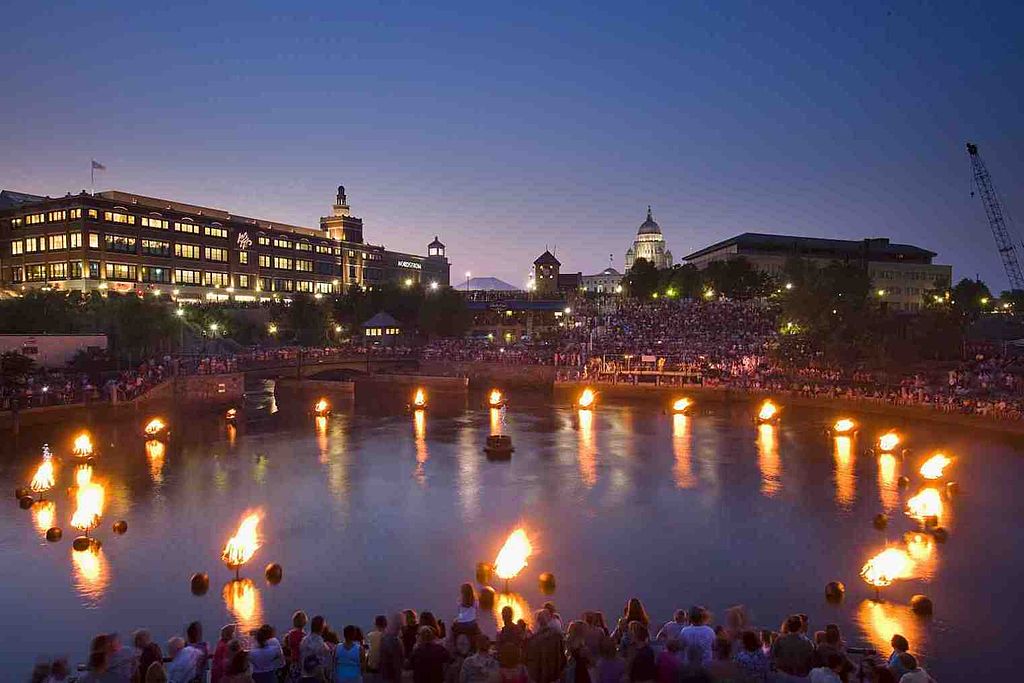
In terms of the economy, tourism seems an obvious winner for Rhode Island. It is the fourth largest industry in the state, generating about $1.6 billion in wages and salaries and helps provide jobs for one in every ten Rhode Islanders, official state figures show.
“Tourism is a critical to the state’s economy. With little dollar support to date, the state has been able to develop a positive image among U.S. and foreign tourists. Imagine the number of new jobs that could be created and the revenue that could be generated if we invested in this industry, had the leadership and a one-state focus. The strategic location of the state, the number of venues, sites and events in the state, and our transportation system make Rhode Island a major destination location for tourists and residents,” said Ed Mazze, the Distinguished University Professor of Business Administration at the University of Rhode Island.
Need for state leadership
Notably, the state budget figures do not include money that is funneled through the state budget to regional tourism districts like the Providence Warwick Convention and Visitors Bureau, which received $1.8 million through the hotel tax for its activities in fiscal year 2013. Another $6 million in revenues from the hotel tax passed through state coffers to other regional tourism districts that same year, state records show. (The figures for others states would not include regional spending either.)
White said the efforts of the convention and visitors bureaus in Providence-Warwick and Newport have been “exceptionally strong in promoting Rhode Island” for meetings and events, filling a “critical gap.”
Still, some say the state should be more proactive in promoting Rhode Island as tourist destination.
“There’s a lot to see in Rhode Island and we could feed off each other,” Sullivan said. “I think it would be advantageous for all of us we marketed ourselves as a whole.”
One of the state’s biggest selling points for tourists, she said, is its small size. Tourists visiting Newport during the day could easily make it up to Federal Hill for dinner or explore the John. H Chafee Blackstone River Valley National Heritage Corridor in the Blackstone Valley, according to Sullivan.
Robert D’Uva, the president of the Federal Hill Commerce Association, agreed that the state should do more to bring in tourists. “We generate a lot of revenue for the city and the state and if there’s any way we can enhance that, I’m all for it,” D’Uva said.
With Federal Hill, he said the state already has an economic resource that it is already working. As just one example, he pointed to the Columbus Day Festival in October, which brought in between 75,000 to 125,000 visitors over a three day period. “If that works and generates more money, why not? Why not go for it?” D’Uva said.
Efforts to ramp up tourism promotion stall
So far, recent efforts to boost marketing and tourism promotion at the state level seem to have gone nowhere.
In 2010, two consultants—the Radcliffe Company and Nichols Tourism Group—developed a tourism plan for the state. But their recommendations, which included increased spending, reportedly didn’t make it into the state budget.
In fiscal year 2013, state spending for tourism topped out at about $700,000, according to the state budget officer, Thomas Mullaney. Of that amount, $400,000 was budgeted for “direct tourism activities.” The remainder, close to $300,000, went towards staff costs.
Governor Lincoln Chafee requested an additional $600,000 more for the state tourism office for fiscal year 2014, but the request was not approved by the General Assembly, according to Chafee spokesperson Faye Zuckerman. (House Finance Chairman Raymond Gallison, D-Bristol, did not respond to a message seeking comment.)
Nonetheless she said tourism is growing in the state. “Through October of this year, hotel revenue is up by 6.5 percent. Rhode Island continues to appeal to tourists as well as visitors to large-scale events and conventions,” Zuckerman said. (As examples she pointed to the Volvo Ocean Race stopping in Newport this spring and the NCAA Basketball Tournament scheduled for March 2016.)
Next Monday, the same two firms that urged greater action four years ago will be making another presentation on tourism investment and branding before the board of directors for CommerceRI, which houses the state tourism office, according to the agency’s spokesperson, Melissa Czerwein. Until that presentation, she said agency staff, including the state’s tourism director, were “not ready” to comment.
During the recent campaign for Governor, both major party candidates discussed the need to make tourism promotion more of a priority. A spokesperson for her transition team confirmed that Governor-elect Gina Raimondo intends to follow through once she takes office.
“Rhode Island has tremendous natural, cultural and historic assets that drive our tourism sector. Governor-elect Raimondo believes that we can better leverage the money we spend on tourism by coordinating our efforts and creating a comprehensive statewide plan. She knows we need to reopen our visitor centers and give people a reason to make a stop in Rhode Island, but she also believes that the solution isn’t just spending more money—it’s spending our dollars more wisely. She looks forward to working with the state’s tourism bureaus to develop a plan that grows the tourism and hospitality industry and puts Rhode Islanders back to work,” said Cara Cromwell, the transition team spokesperson.
Tourism Promotion: See How Much States Spend

48.
State: Pennsylvania
Tourism Spending: $5.8 Million
Total Expenditures: $85.3 Million
% of State Budget Spent on Tourism Promotion: 0.0068%

47.
State: Indiana
Tourism Spending: $2.3 million
Total Expenditures: $28.1 million
% of State Budget Spent on Tourism Promotion: 0.0082%
Photo: Diego Delso

46.
State: Ohio
Tourism Spending: $5 million
Total Expenditures: $58.2 million
% of State Budget Spent on Tourism Promotion: 0.0086%

45.
State: Rhode Island
Tourism Spending: $710,000
Total Expenditures: $7.8 Million
% of State Budget Spent on Tourism Promotion: 0.0090%

44.
State: Iowa
Tourism Spending: $2.4 million
Total Expenditures: $19.5 million
% of State Budget Spent on Tourism Promotion: 0.0123%
Photo: Ben Franske

43.
State: New York
Tourism Spending: $19 million
Total Expenditures: $133 Million
% of State Budget Spent on Tourism Promotion: 0.0144%

42.
State: Georgia
Tourism Spending: $6.8 million
Total Expenditures: $42.4 million
% of State Budget Spent on Tourism Promotion: 0.0160%

41.
State: New Jersey
Tourism Spending: $9 million
Total Expenditures: $50.8 million
% of State Budget Spent on Tourism Promotion: 0.0177%

40.
State: Massachusetts
Tourism Spending: $10.9 million
Total Expenditures: $57.5 million
% of State Budget Spent on Tourism Promotion: 0.0189%

39.
State: Delaware
Tourism Spending: $1.9 million
Total Expenditures: $9.1 million
% of State Budget Spent on tourism Promotion: 0.0213%

38.
State: California
Tourism Spending: $50 million
Total Expenditures: $211.4 million
% of State Budget Spent on Tourism Promotion: 0.0236%

37.
State: North Carolina
Tourism Spending: $10.4 million
Total Expenditures: $43 million
% of State Budget Spent on Tourism Promotion: 0.0242%

36.
State: Minnesota
Tourism Spending: $8.5 million
Total Expenditures: $33,074,000,000
% of State Budget Spent on Tourism Promotion: 0.0257%

35.
State: Maryland
Tourism Spending: $10.4 million
Total Expenditures: $36.2 million
% of State Budget Spent on Tourism Promotion: 0.0287%

34.
State: Kentucky
Tourism Spending: $7.4 million
Total Expenditures: $25.6 million
% of State Budget Spent on Tourism Promotion: 0.0288%

33.
State: Kansas
Tourism Spending: $4.8 million
Total Expenditures: $13.9 million
% of State Budget Spent on Tourism Promotion: 0.0344%
Photo: Gerald B. Keane

32.
State: West Virginia
Tourism Spending: $7.7 million
Total Expenditures: $22.3 million
% of State Budget Spent on Tourism Promotion: 0.0345%

31.
State: Mississippi
Tourism Spending: $6.4 million
Total Expenditures: $18.5 million
% of State Budget Spent on Tourism Promotion: 0.0346%
Photo: Wikimedia Commons

30.
State: Wisconsin
Tourism Spending: $14.9 million
Total Expenditures: $42.7 million
% of State Budget Spent on Tourism Promotion: 0.0348%
Photo: Wikimedia Commons

29.
State: Tennessee
Tourism Spending: $11.7 million
Total Expenditures: $30.4 million
% of State Budget Spent on Tourism Promotion: 0.0384%
Photo: Jeremy Atherton

28.
State: Virginia
Tourism Spending: $17.6 million
Total Expenditures: $45.7 million
% of State Budget Spent on Tourism Promotion: 0.0385%

27.
State: Texas
Tourism Spending: $37.2 million
Total Expenditures: $93.2 million
% of State Budget Spent on Tourism Promotion: 0.0399%
Photo: Copernico Contreras

26.
State: Arizona
Tourism Spending: $12.9 million
Total Expenditures: $28.2 million
% of State Budget Spent on Tourism Promotion: 0.0456%
Photo: Luca Galuzzi

25.
State: Oregon
Tourism Spending: $12 million
Total Expenditures: $25.8 million
% of State Budget Spent on Tourism Promotion: 0.0465%
Photo: Max Schwarz

24.
State: Alabama
Tourism Spending: $11.6 million
Total Expenditures: $24.5 million
% of State Budget Spent on Tourism Promotion: 0.0473%
Photo: Wikimedia Commons

23.
State: New Mexico
Tourism Spending: $7.1 million
Total Expenditures: $14.6 million
% of State Budget Spent on Tourism Promotion: 0.0483%

22.
State: Louisiana
Tourism Spending: $13.2 million
Total Expenditures: $27.3 million
% of State Budget Spent on Tourism Promotion: 0.0483%

21.
State: Oklahoma
Tourism Spending: $10.7 million
Total Expenditures: $21.4 million
% of State Budget Spent on Tourism Promotion: 0.0499%
Photo: Wikimedia Commons

20.
State: Missouri
Tourism Spending: $11.6 million
Total Expenditures: $22.9 million
% of State Budget Spent on Tourism Promotion: 0.0506%
Photo: Daniel Schwen

19.
State: Colorado
Tourism Spending: $14.7 million
Total Expenditures: $29.035 million
% of State Budget Spent on Tourism Promotion: 0.0506%
Photo: Gorgo

18.
State: Nebraska
Tourism Spending: $5.2 million
Total Expenditures: $10.1 million
% of State Budget Spent on Tourism Promotion: 0.0512%
Photo: Wikimedia Commons

17.
State: Michigan
Tourism Spending: $27.4 million
Total Expenditures: $47.3 million
% of State Budget Spent on Tourism Promotion: 0.0578%
Photo: Dave Parker

16.
State: Vermont
Tourism Spending: $2.9 million
Total Expenditures: $4.9 million
% of State Budget Spent on Tourism Promotion: 0.0584%
Photo: Jared C. Benedict

15.
State: South Carolina
Tourism Spending: $13.6 million
Total Expenditures: $22.2 million
% of State Budget Spent on Tourism Promotion: 0.0612%
Photo: MoodyGroove

14.
State: Arkansas
Tourism Spending: $15.1 million
Total Expenditures: $21.4 million
% of State Budget Spent on Tourism Promotion: 0.0704%

13.
State: Illinois
Tourism Spending: $55.4 million
Total Expenditures: $65.2 million
% of State Budget Spent on Tourism Promotion: 0.0849%

12.
State: Florida
Tourism Spending: $56.2 million
Total Expenditures: $63.9 million
% of State Budget Spent on Tourism Promotion: 0.0879%

11.
State: North Dakota
Tourism Spending: $5.1 million
Total Expenditures: $5.712 million
% of State Budget Spent on Tourism Promotion: 0.0893%

10.
State: Idaho
Tourism Spending: $7.2 million
Total Expenditures: $6.691 million
% of State Budget Spent on Tourism Promotion: 0.1076%
Photo: Wikimedia Commons

9.
State: Utah
Tourism Spending: $14.4 million
Total Expenditures: $12.679 million
% of State Budget Spent on Tourism Promotion: 0.1136%
Photo: Bernard Gagnon

8.
State: Maine
Tourism Spending: $9.8 million
Total Expenditures: $7.679 million
% of State Budget Spent on Tourism Promotion: 0.1276%

7.
State: New Hampshire
Tourism Spending: $6.9 million
Total Expenditures: $5.017 million
% of State Budget Spent on Tourism Promotion: 0.1375%
Photo: Wikimedia Commons

6.
State: Wyoming
Tourism Spending: $12.6 million
Total Expenditures: $9.132 million
% of State Budget Spent on Tourism Promotion: 0.1380%
Photo: Shiras Rajendran

5.
State: Alaska
Tourism Spending: $17 million
Total Expenditures: $11.838 million
% of State Budget Spent on Tourism Promotion: 0.1436%

4.
State: Nevada
Tourism Spending: $14.8 million
Total Expenditures: $8.897 million
% of State Budget Spent on Tourism Promotion: 0.1663%
Photo: John Phelan

3.
State: Montana
Tourism Spending: $12.3 million
Total Expenditures: $6.04 million
% of State Budget Spent on Tourism Promotion: 0.2036%

2.
State: South Dakota
Tourism Spending: $12.2 million
Total Expenditures: $4.098 million
% of State Budget Spent on Tourism Promotion: 0.2977%

1.
State: Hawaii
Tourism Spending: $75 million
Total Expenditures: $11.584 million
% of State Budget Spent on Tourism Promotion: 0.6474%
Photo: Cristo Vlahos


