


Rhode Island's Biggest Storms: 75th Anniversary of Hurricane of '38
GoLocalProv News Team
Rhode Island's Biggest Storms: 75th Anniversary of Hurricane of '38

However, 75 years ago, it was a much different story, when the Hurricane of '38 wreaked havoc on the eastern seabord.
Today, GoLocal takes a look back at some of the biggest storms in the state's history -- and talks with one of Rhode Island's biggest weather experts of all time, John Ghiorse, on hurricanes, media, and mother nature.
GET THE LATEST BREAKING NEWS HERE -- SIGN UP FOR GOLOCAL FREE DAILY EBLAST
The Ghiorse Factor
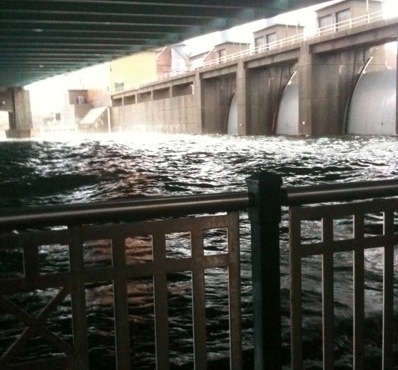
"Contrast that to today’s media blitz and frenzy anytime something happens from the mundane to historic. These days everything, and I mean everything, is hyped and over analyzed to the nth degree. And that brings me to what, I believe, is contributing to, if not causing, all of the angst over the so called “ Mother Nature has gone wild” syndrome that pervades our lives these days," he continued.
"Natural events such as floods, wild fires, tornadoes, snowstorms and, yes, hurricanes that have occurred for eons are suddenly so remarkable to some that it’s as if they have never happened before. In spite of technological advances (satellites, Doppler radar, computers) in detecting weather events that would have gone unnoticed years ago, statistics show that there has been no increase in the frequency or intensity of these events in recent years as compared to the history of the past several decades. In fact, this year both tornadic and tropical storm activity have been at nearly historic lows. The tide of weather events ebbs and flows from year to year, decade to decade, century to century. There is no “normal”."
Putting Mother Nature in Perspective
"So why all the hype? I believe part of it has to do with media competition … the need for news organizations to be out there “first with the most … if we don’t cover it they will”. But it goes far beyond that," continued Ghiorse. "Population increase and changes in population density and location make it so that those natural disasters are occurring in areas that have not been populated before. Suburban and urban areas have spread into the forests, deserts, plains and coastlines making many more people vulnerable to the dangers of wild fires, floods, tornadoes and hurricanes than in past years."
The good news is that warnings are much better than they were 10 years ago and certainly far better than 75 years ago when the big hurricane hit. The ’38 Hurricane hit with NO warning. It killed well over 700 people in the Northeast. The population has more than doubled since then but subsequent hurricanes have not approached that number in the Northeast. In 1925 a single tornado killed nearly 700 people in Missouri, Illinois and Indiana. Warnings have improved dramatically since then although improvements including longer lead times are needed."
See the biggest storms to ever hit the state below.