


RI Man Returning from South Korea "Shocked" at No Coronavirus Checks at Boston Logan Airport
GoLocalProv News Team and Kate Nagle
RI Man Returning from South Korea "Shocked" at No Coronavirus Checks at Boston Logan Airport
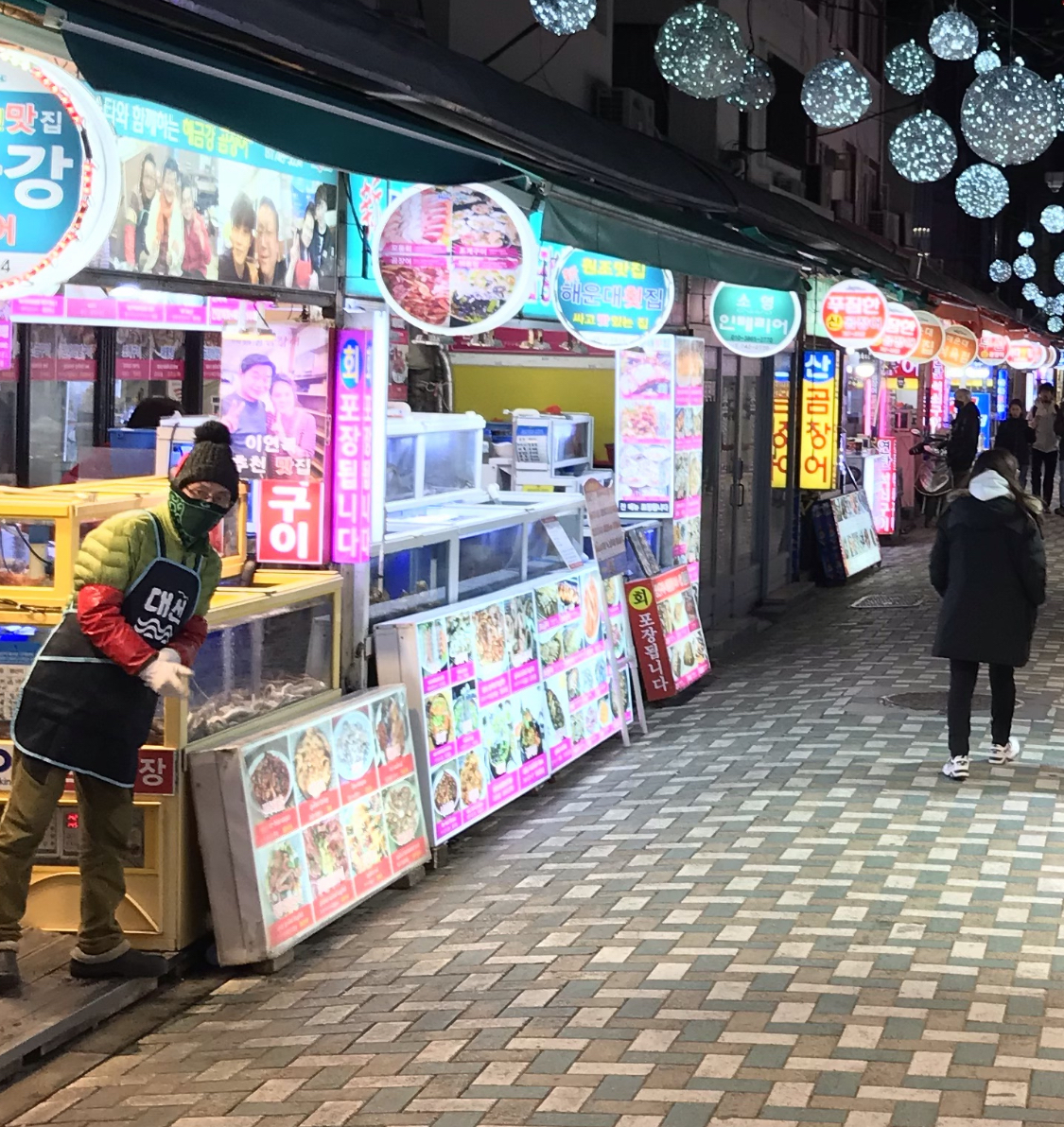
Matt Zimmerman with Farsounder, which has 3-D sonar technology that is installed on some of the largest boats in the world, said he was "shocked" when he sailed through Logan on the expedited "global passport" entry upon his return.
"I didn't talk with anyone, I didn't any see cameras set up anywhere (for temperature checks)," said Zimmerman, who left for South Korea on February 17 and returned on February 23. "I saw two custom border patrol agents wearing masks. That was it."
GET THE LATEST BREAKING NEWS HERE -- SIGN UP FOR GOLOCAL FREE DAILY EBLASTOn Thursday, the New York Times reported,"South Korean Leader Said Coronavirus Would ‘Disappear.’ It Was a Costly Error."
There were 28 cases of the coronavirus in South Korea on February 13. Four days had passed without a new confirmed infection. President Moon Jae-in predicted that the outbreak would “disappear before long,” while the prime minister assured people that it was OK not to wear surgical masks outdoors.
As it turns out, the virus had been rapidly spreading at the time through a large, secretive church in Daegu, where it has since mushroomed into the largest epidemic of the coronavirus outside China, with 1,766 cases, including 13 deaths.
Now the president is facing a political backlash over his response as the number of cases continues to climb — 505 new infections on Thursday alone.
Zimmerman said he believed at least 90% of the passengers on the flight back from Tokyo Sunday were wearing masks, and said he has continued to wear one since returning and plans to do so for a full ten days.
"I don't want to be that guy," said Zimmerman.
Rhode Island to South Korea and Back
"When I first got to my hotel in South Korea, there were thermal scanners [to check for coronavirus]. At that time, there were 29 cases confirmed in the county," said Zimmerman, who then spent the next three days installing and testing equipment on a boat.
"When I got off the boat, that number was up to 280," said Zimmerman, who said due to the developments that he then switched his flight to return to Rhode Island two days earlier than planned.
Zimmerman said at the Busan (South Korea) airport -- just south of Daegu -- they asked him if he had spent time in China (he had not), and that there were thermal cameras after check-in.
Zimmerman said following the flight from Busan to Tokyo, he was similarly asked about being in China, noting thermal scanners, before boarding the flight from Tokyo to Logan.
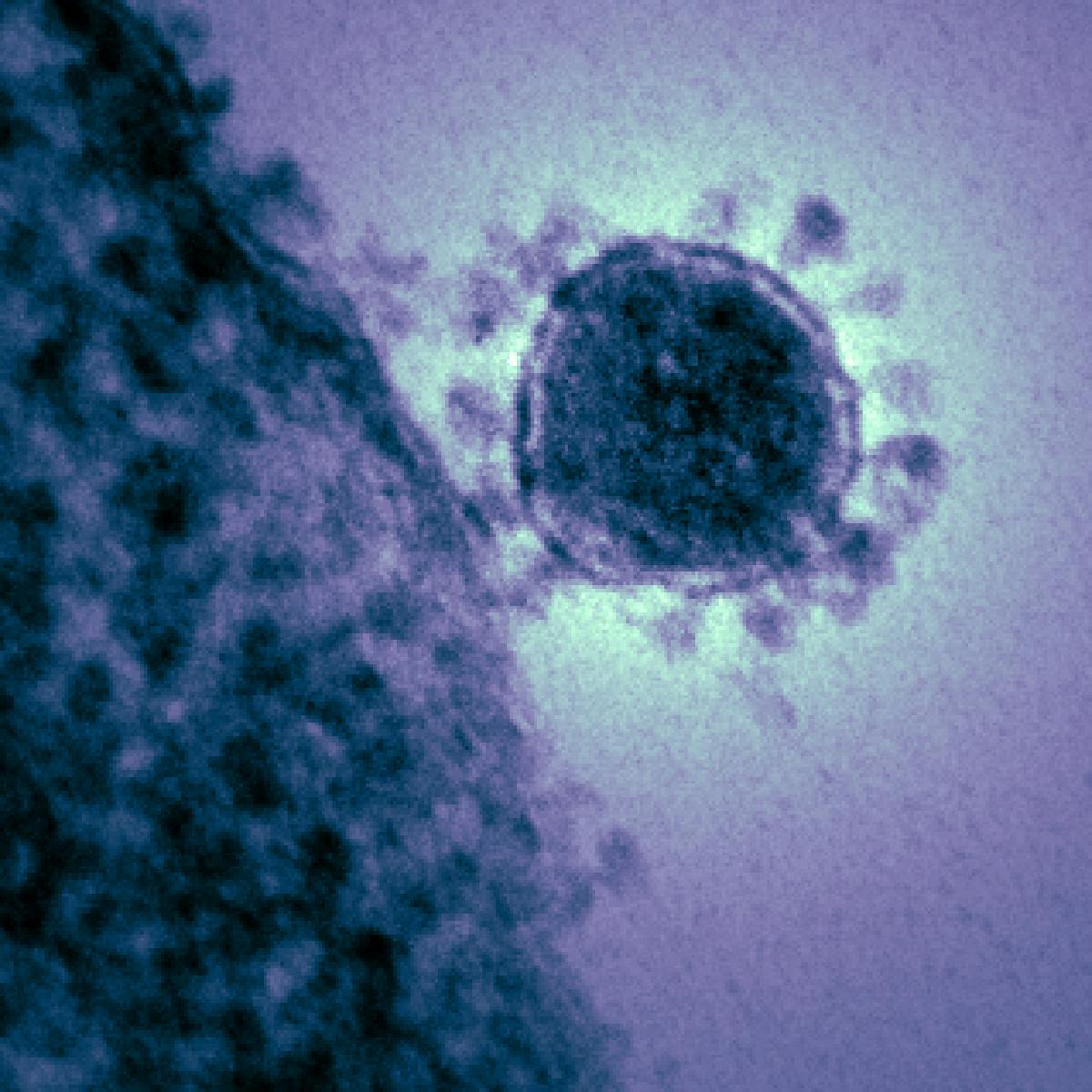
While he was in South Korea, he said about 85% of the population was wearing masks when he left -- and that number would have been higher but they were sold out everywhere.
"People were going about their business, but no one was, say, shaking hands," said Zimmerman. "The country had signs up all over the place warning people to wash their hands, that type of thing. And every time a new case of coronavirus was confirmed, we would get text alerts on our phones."
U.S. Response
Michael S. McCarthy in the Office of Public Affairs in U.S. Customs and Border Protection with the Department of Homeland Security told the following to GoLocalProv on Thursday.
"What I can tell you is that CBP officers use a combination of traveler history records, officer questioning and observation, and self-declarations to identify individuals requiring additional health screening. All CBP ports of entry are following the same operational guidance as issued by the Presidential Proclamation and the Department of Homeland Security," said McCarthy.
"With exceptions specified in the Proclamation, foreign nationals (other than immediate family of U.S. citizens, permanent residents, and flight crew) who have been physically present in China within 14 days of their arrival at a U.S. port of entry will be denied entry into the United States," he added. "Additionally, any traveler exempted from the Proclamation who has been in Hubei province or anywhere in mainland China within 14 days of their return will be referred to CDC for additional health screening."
On Thursday, CNN reported that there are "ongoing" conversations at the US Centers for Disease Control and Prevention about expanding airport health screenings for the novel coronavirus due to the rapid spread of the infection in Italy, South Korea and Japan, according to an agency spokesperson.