


Trump Administration Zeros Out Funds to Replenish Beach Sand in RI
GoLocalProv News Team
Trump Administration Zeros Out Funds to Replenish Beach Sand in RI

Rhode Island, like the rest of the nation, will receive zero federal funding to restore beach sand when storms sweep it away.
GET THE LATEST BREAKING NEWS HERE -- SIGN UP FOR GOLOCAL FREE DAILY EBLASTIn recent years, the damage done has been severe. And the impact has been costly. Sometimes the bill has been in the millions.
Since 1996, Congress has allocated between $100 and $200 million a year for beach replenishment initiatives — projects that dredge sand from the ocean floor or other places and deposit it onto coastal beaches to combat erosion or replace the sand.
Rhode Island historically uses a mix of federal and state funds for beach replenishment and restoration.
But, the big beautiful budget bill sweeps those funds away and Rhode Island taxpayers alone will have to pay the full bill.

In recent years, the costs have been significant:
After Hurricane Sandy, the state used $3.1 million in federal relief dollars to truck in 84,000 cubic yards of sand to restore Misquamicut State Beach in Westerly.
Federal funding for future replenishment is not routinely guaranteed. For example, a recent beach restoration project at Charlestown Breachway did not secure federal funding and is seeking state funds instead.
The Coastal Resources Management Council’s (CRMC) beach nourishment, restoration, and recovery program were often funded 50% by the federal government and 50% by non-federal (state/local) sponsors for projects over $100,000. Actual annual outlays will fluctuate based on the number and scope of projects. Now, the cost of those projects will shift to Rhode Island taxpayers and local property taxpayers.
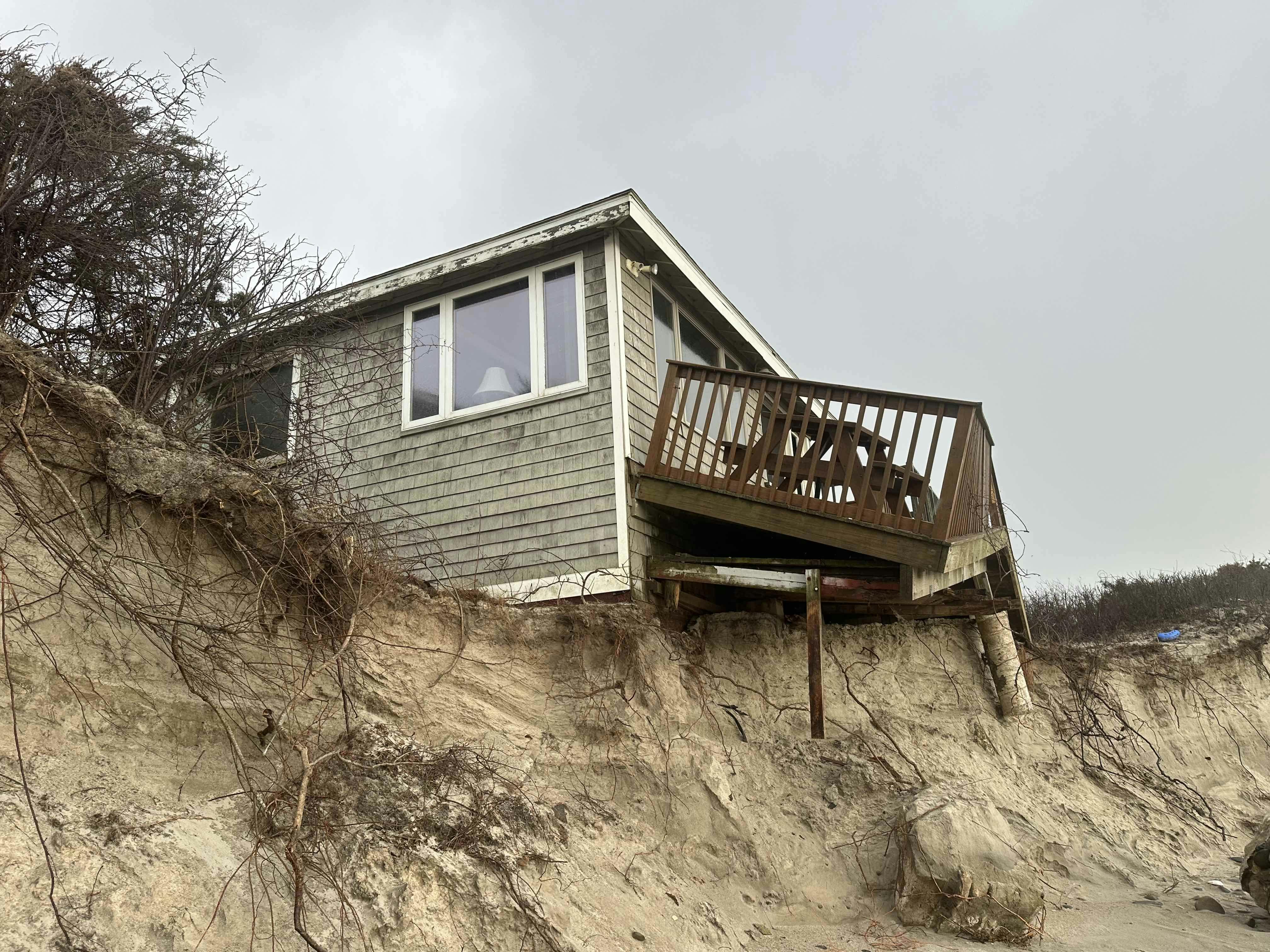
In the winter of 2024, South County beaches were hit hard by erosion. And, while winter storms have always impacted the beaches,
Rhode Island’s Coastal Resources Management Council (CRMC) warns that the pace of the damage is increasing.
“Notably, the most eroded portions of state's coastline have lost over 250 feet of beach in just 50 years. SEA-LEVEL RISE: Since 1930, sea-level rise in Rhode Island has increased an average of 1 inch per decade. However, the rate of sea-level rise has quickened and sea level along Rhode Island's coast has risen 6 inches over the last 40 years. Accelerated sea-level rise is projected to continue into the next century,” writes CRMC.
Small towns will take the biggest hits.
In 2024, the Town of Narragansett spent five times more than it usually does to replace sand on the Town’s beach — somewhere between $60,000 and $80,000.