


Moore: Elorza Must Pursue Pension Reform
Russell J. Moore, GoLocalProv MINDSETTER™
Moore: Elorza Must Pursue Pension Reform
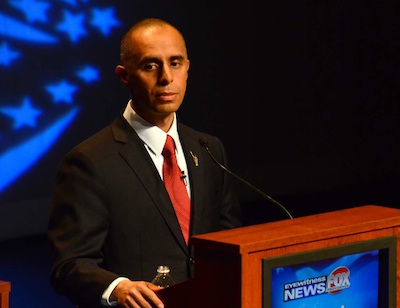
But the question remains whether or not he can rally enough people to bring about the structural changes that can save the city from a slow (or worse) financial decline. Fire department reform is a good first step, but until the so-called legacy costs are addressed—pensions and health care costs, the city will continue to languish in a financial quagmire.
To his credit, the mayor commissioned a baseline study of Providence's financial situation at the beginning of the his term in January that was released in May. The study, performed by the PFM Group, lays down what the kids today are calling "real talk" (hard, unpleasant truths delivered in a straight forward manner).
GET THE LATEST BREAKING NEWS HERE -- SIGN UP FOR GOLOCAL FREE DAILY EBLASTIt basically details what observers of Rhode Island municipal government already know; the so-called employee legacy costs (the pensions and health care benefits paid to retirees) are weighing the city down.
Tackle Financial Problems
"Often, local governments seek to avoid difficult choices by deferring costs or relying on non-recurring revenues. This “kick the can down the road” approach defines an unsustainable approach to local government finance and heightens the risk of losing ground. In fact, the longer it takes for the City to acknowledge and confront its fiscal challenges, the harder and more painful it will become to implement viable solutions," the study states.
Certainly, it would be easier for Elorza to continue kicking the can down the road, year after year, with one-time revenues or other shortsighted schemes just to keep the lights on during the party.
That's why Elorza deserves credit for proposing a shift platoon reduction to the Providence Fire Department that he believes will save roughly $5 million. Yes, the plan would require sacrifice on the part of the firefighters--that's obvious. But the status quo in the City of Providence, and elsewhere, isn't sustainable.
Fortunately, it seems like Elorza and the firefighters are negotiating an agreement that will save taxpayers money while allocating some additional compensation for their extra work that a third platoon shift will require.
But reforming the Fire Department platoon shift system alone won't put our capital city on sound financial footing. There needs to be other difficult decisions to follow.
Truth in Numbers
Providence already has some of the highest property taxes in the nation, and Elorza was wise to avoid raising taxes in his first budget proposal. The residents of Providence cannot afford higher taxes. And while the non-profits should be paying more than they're currently contributing, there will never be enough leverage for the city to wring the concessions it would need from the non-profits to get out of its financial woes by that alone.
It remains to be seen whether or not he will continue to propose additional corrective actions to stem the rising tide of red ink that threatens to swallow the city whole, but the PFM report indicates where Eloza should focus next--legacy costs.
The report points out that the city is currently spending $59.4 million to keep the city's pension system afloat in the current budget. By the year 2021, that number will grow to $71.2 million. That's about a $12 million increase over that 5-year period.
The total deficit over that same period is slated to ring in at $19.2 million. That means over 60-percent of the total, expected structural deficit is comprised of pension contributions alone. Add in the massive health care liability that's more than $1 billion over the life of the promised benefits, and it's not hard to see that basically the whole structural deficit is made up of pension and health care costs.
Real Pension Reform
Meanwhile, Golocalprov reported just last year that the top 50 pensions paid out in Providence equaled $5.5 million. On average, that's $110,000 per pension. That's almost double the statewide median income of $56,000 per year (it was $37,600 in Providence) according to the most recent data, from 2013.
Here's the hard truth: Providence can't afford to be handing out six figure pensions. And let’s face it, pensions were never supposed to be a mechanism for making more money in retirement than one made while working. Providence needs pension reform that caps pensions at a number somewhere around $70,000.
If those top 50 pensions alone were reduced to 70,000, the city of Providence would save $2.5 million. And that's just with the top 50 pension earners. Nobody would be living in poverty in retirement, and the city would get some much needed pension and budget relief. And if pension reform were structured in such a way, perhaps the city would even be able to provide cost-of-living-adjustments to people earning pensions worth less than $40,000.
Real pension reform wouldn’t be easy at all, but the result: a financially sustainable city, would make the effort worth it.
Leadership isn't avoiding problems, by deferring them to the next election. Let's hope Elorza continues to talk about the need for fiscal reform in Providence, and proposes even more aggressive solutions.
As the PFM group points out, nobody benefits from delaying tough decisions.

Top Providence Pensions

#49
Name- Daniel Guertin
Annual Earning- $95,050.92
Postition- Police-5
City- Providence
State- RI
Retirement Type- Accidental Disability
Retirement Date- December 19,1991
Source: This information was secured through a FOIA request from the city of Providence.

#48
Name- Carmine Vallante
Annual Earning- $95,140.20
Postition- Fire-4
City- Johnston
State- RI
Retirement Type- Accidental Disability
Retirement Date- December 19,1991
Source: This information was secured through a FOIA request from the city of Providence.
#47
Name- Alfred Millard
Annual Earning- $95,368.32
Postition- Fire-4
City- Warwick
State- RI
Retirement Type- Accidental Disability
Retirement Date- March 24, 1994
Source: This information was secured through a FOIA request from the city of Providence.
#46
Name- James Rattigan
Annual Earning- $95,983.44
Postition- Fire-4
City- North Providence
State- RI
Retirement Type- Service
Retirement Date- June 30, 2003
Source: This information was secured through a FOIA request from the city of Providence.
#45
Name- Frank Deangelis
Annual Earning- $95,986.80
Postition- Fire-4
City- North Providence
State- RI
Retirement Type- Accidental Disability
Retirement Date- December 19, 1991
Source: This information was secured through a FOIA request from the city of Providence.
#44
Name- Stephen Lowe
Annual Earning- $96,156.36
Postition- Fire-4
City- Bristol
State- RI
Retirement Type- Accidental Disability
Retirement Date- December 17, 1992
Source: This information was secured through a FOIA request from the city of Providence.
#43
Name- Mary Gonsalves
Annual Earning- $97,463.04
Postition- Police-5
City- Warwick
State- RI
Retirement Type- Beneficiary
Retirement Date- December 1, 1993
Source: This information was secured through a FOIA request from the city of Providence.
#42
Name- William O'Neill
Annual Earning- $98,160.96
Postition- Fire-4
City- Cumberland
State- RI
Retirement Type- Accidental Disability
Retirement Date- August 22, 1990
Source: This information was secured through a FOIA request from the city of Providence.
#41
Name- Paul Healy
Annual Earning- $98,183.28
Postition- Fire-4
City- Cranston
State- RI
Retirement Type- Service
Retirement Date- October 20, 1993
Source: This information was secured through a FOIA request from the city of Providence.
#40
Name- James Molloy
Annual Earning- $98,711.16
Postition- Fire-4
City- Providence
State- RI
Retirement Type- Accidental Disability
Retirement Date- December 18, 1987
Source: This information was secured through a FOIA request from the city of Providence.
#39
Name- Livia Miller
Annual Earning- $99,193.80
Postition- Fire-4
City- Warwick
State- RI
Retirement Type- Beneficiary
Retirement Date- May 1, 1997
Source: This information was secured through a FOIA request from the city of Providence.
#38
Name- Joseph Battista
Annual Earning- $99,271.08
Postition- Fire-4
City- Johnston
State- RI
Retirement Type- Accidental Disability
Retirement Date- April 29, 2004
Source: This information was secured through a FOIA request from the city of Providence.
#37
Name- Robert Kerfoot
Annual Earning- $100,140.36
Postition- Fire-4
City- Cranston
State- RI
Retirement Type- Accidental Disability
Retirement Date- March 24, 1994
Source: This information was secured through a FOIA request from the city of Providence.
#36
Name- Ralph Ricci
Annual Earning- $100,357.44
Postition- Fire-4
City- Providence
State- RI
Retirement Type- Accidental Disability
Retirement Date- April 28, 1994
Source: This information was secured through a FOIA request from the city of Providence.
#35
Name- Henry Latek
Annual Earning- $100,502.52
Postition- Fire-4
City- Providence
State- RI
Retirement Type- Service
Retirement Date- June 30, 1995
Source: This information was secured through a FOIA request from the city of Providence.
#34
Name- Joseph Bradley
Annual Earning- $100,898.52
Postition- Fire-4
City- Whitefield
State- NH
Retirement Type- Accidental Disability
Retirement Date- November 20, 1991
Source: This information was secured through a FOIA request from the city of Providence.
#33
Name- Ronald Johnson
Annual Earning- $102,098.64
Postition- Fire-4
City- North Scituate
State- RI
Retirement Type- Accidental Disability
Retirement Date- May 1, 2003
Source: This information was secured through a FOIA request from the city of Providence.
#32
Name- Gloria Pisaturo
Annual Earning- $103,385.76
Postition- Police-5
City- Warwick
State- RI
Retirement Type- Beneficiary
Retirement Date- December 1, 2002
Source: This information was secured through a FOIA request from the city of Providence.
#31
Name- Edmond Malloy
Annual Earning- $103,575.72
Postition- Police-5
City- Chepachet
State- RI
Retirement Type- Accidental Disability
Retirement Date- September 5, 1990
Source: This information was secured through a FOIA request from the city of Providence.
#30
Name- John Reposa
Annual Earning- $104,665.44
Postition- Fire-4
City- Jamestown
State- RI
Retirement Type- Accidental Disability
Retirement Date- June 21, 1995
Source: This information was secured through a FOIA request from the city of Providence.
#29
Name- Pasquale Rocchio
Annual Earning- $105,238.32
Postition- Police-5
City- North Providence
State- RI
Retirement Type- Service
Retirement Date- August 22, 1989
Source: This information was secured through a FOIA request from the city of Providence.
#28
Name- David Deignan
Annual Earning- $105,609.36
Postition- Police-5
City- Providence
State- RI
Retirement Type- Accidental Disability
Retirement Date- December 19, 1991
Source: This information was secured through a FOIA request from the city of Providence.
#27
Name- Lee Podedworny
Annual Earning- $106,838.16
Postition- Fire-4
City- South Kingstown
State- RI
Retirement Type- Accidental Disability
Retirement Date- July 23, 1992
Source: This information was secured through a FOIA request from the city of Providence.
#26
Name- Nancy Donahue
Annual Earning- $107,757.24
Postition- Fire-4
City- Warwick
State- RI
Retirement Type- Beneficiary
Retirement Date- July 1, 2005
Source: This information was secured through a FOIA request from the city of Providence.
#25
Name- Domenic Pono
Annual Earning- $107,850.72
Postition- Fire-4
City- Cranston
State- RI
Retirement Type- Accidental Disability
Retirement Date- December 19, 1991
Source: This information was secured through a FOIA request from the city of Providence.
#24
Name- John Murphy
Annual Earning- $107,892.84
Postition- Fire-4
City- Providence
State- RI
Retirement Type- Accidental Disability
Retirement Date- December 19, 1991
Source: This information was secured through a FOIA request from the city of Providence.
#23
Name- Robert Carlson
Annual Earning- $108,555.36
Postition- Fire-4
City- Greenville
State- RI
Retirement Type- Accidental Disability
Retirement Date- April 24, 1991
Source: This information was secured through a FOIA request from the city of Providence.
#22
Name- Robert Emmett
Annual Earning- $109,256.16
Postition- Police-5
City- Cranston
State- RI
Retirement Type- Service
Retirement Date- November 13, 1990
Source: This information was secured through a FOIA request from the city of Providence.
#21
Name- Thomas Doyle
Annual Earning- $109,329.24
Postition- Fire-4
City- West Warwick
State- RI
Retirement Type- Accidental Disability
Retirement Date- August 26, 1988
Source: This information was secured through a FOIA request from the city of Providence.
#20
Name- Joseph Errico
Annual Earning- $109,611.60
Postition- Fire-4
City- Warwick
State- RI
Retirement Type- Service
Retirement Date- June 30, 1995
Source: This information was secured through a FOIA request from the city of Providence.
#19
Name- Edward MacDonald
Annual Earning- $110,225.64
Postition- Fire-4
City- Johnston
State- RI
Retirement Type- Accidental Disability
Retirement Date- May 26, 1994
Source: This information was secured through a FOIA request from the city of Providence.
#18
Name- Alfred Lamothe
Annual Earning- $110,505.96
Postition- Fire-4
City- Warwick
State- RI
Retirement Type- Accidental Disability
Retirement Date- September 6, 1991
Source: This information was secured through a FOIA request from the city of Providence.
#17
Name- Ernest Silva
Annual Earning- $112,796.28
Postition- Fire-4
City- Ft. Myers
State- FL
Retirement Type- Accidental Disability
Retirement Date- April 24, 1991
Source: This information was secured through a FOIA request from the city of Providence.
#16
Name- Edward Dolan
Annual Earning- $113,126.04
Postition- Fire-4
City- North Kingstown
State- RI
Retirement Type- Accidental Disability
Retirement Date- December 19, 1991
Source: This information was secured through a FOIA request from the city of Providence.
#15
Name- Paul Marianetti
Annual Earning- $113,331.60
Postition- Fire-4
City- Ormond Beach
State- FL
Retirement Type- Accidental Disability
Retirement Date- November 17, 1994
Source: This information was secured through a FOIA request from the city of Providence.
#14
Name- Rosemary Clark
Annual Earning- $114,725.64
Postition- Police-5
City- Chepachet
State- RI
Retirement Type- Beneficiary
Retirement Date- August 1, 2004
Source: This information was secured through a FOIA request from the city of Providence.
#13
Name- John Gannon
Annual Earning- $117,318.60
Postition-Police-5
City- Coventry
State- RI
Retirement Type- Accidental Disability
Retirement Date- January 24, 1991
Source: This information was secured through a FOIA request from the city of Providence.
#12
Name- Marcia Moise
Annual Earning- $119,791.20
Postition- Fire-4
City- Jupiter
State- FL
Retirement Type- Beneficiary
Retirement Date- April 1, 1997
Source: This information was secured through a FOIA request from the city of Providence.
#11
Name- Robert Read
Annual Earning- $123,105.00
Postition- Fire-4
City- Cranston
State- RI
Retirement Type- Accidental Disability
Retirement Date- December 19, 1991
Source: This information was secured through a FOIA request from the city of Providence.
#10
Name- Alfred Bertoncini
Annual Earning- $123,599.16
Postition- Fire-4
City- Smithfield
State- RI
Retirement Type- Service
Retirement Date- December 19,1994
Source: This information was secured through a FOIA request from the city of Providence.
#9
Name- Victor Dichiara
Annual Earning- $126,845.28
Postition- Fire-4
City- East Greenwich
State- RI
Retirement Type- Accidental Disability
Retirement Date- December 17, 1992
Source: This information was secured through a FOIA request from the city of Providence.
#8
Name- Edmund Calcagni
Annual Earning- $135,702.72
Postition- Police-5
City- North Providence
State- RI
Retirement Type- Accidental Disability
Retirement Date- December 29, 1990
Source: This information was secured through a FOIA request from the city of Providence.
#7
Name- James Kelly
Annual Earning- $137,336.04
Postition- Fire-4
City- Greenville
State- RI
Retirement Type- Accidental Disability
Retirement Date- September 28, 1988
Source: This information was secured through a FOIA request from the city of Providence.
#6
Name- Vincent Delisi
Annual Earning- $145,520.88
Postition- Fire-4
City- North Providence
State- RI
Retirement Type- Accidental Disability
Retirement Date- December 17, 1992
Source: This information was secured through a FOIA request from the city of Providence.
#5
Name- William Manchester
Annual Earning- $148,839.84
Postition- Fire-4
City- Warwick
State- RI
Retirement Type- Accidental Disability
Retirement Date- December 19, 1991
Source: This information was secured through a FOIA request from the city of Providence.
#4
Name- William D'Iorio
Annual Earning- $156,870.60
Postition- Fire-4
City- Smithfield
State- RI
Retirement Type- Accidental Disability
Retirement Date- Novemver 29, 1990
Source: This information was secured through a FOIA request from the city of Providence.
#3
Name- Anthony Sauro
Annual Earning- $161,487.24
Postition- Fire-4
City- Johnston
State- RI
Retirement Type- Accidental Disability
Retirement Date- July 5, 1991
Source: This information was secured through a FOIA request from the city of Providence.
#2
Name- Robert Anthony
Annual Earning- $162,944.04
Postition- Fire-4
City- Smithfield
State- RI
Retirement Type- Accidental Disability
Retirement Date- September 25, 1991
Source: This information was secured through a FOIA request from the city of Providence.
#1
Name- Gilbert McLaughlin
Annual Earning- $196,813.08
Postition- Fire-4
City- Warwick
State- RI
Retirement Type- Accidental Disability
Retirement Date- October 24, 1991
Source: This information was secured through a FOIA request from the city of Providence.

