


The 2011 Hurricane Season: More Vulnerable This Year?
John Ghiorse, GoLocalProv Meteorologist
The 2011 Hurricane Season: More Vulnerable This Year?
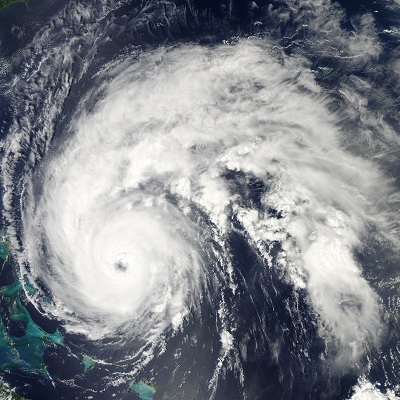
All of the forecasting groups surveyed are once again expecting activity to be well above average. They see most of their forecasting parameters favoring many more than the long-term averages of 10 named storms, 6 hurricanes and 2 major hurricanes. Accuweather expects 15 named storms of which 8 will become hurricanes and 4 of those will be major (Category 3 or higher). WSI, a Weather Channel company, is predicting exactly the same numbers while the NOAA hurricane meteorologists, the official U.S. Government predictors say that 12-18 storms will form, 6-10 of those will become hurricanes including 3-6 major storms. The Colorado State University group that started all of this several years ago foresees 16 named storms, 9 hurricanes and 5 that will become Category 3 or higher. Like last year, no big disagreements here. The question is are they all just locked in to the same data sets or are their different methodologies pointing to the same conclusion? A consensus conclusion that was spot on last year.
Significantly, they are also in agreement that coastal areas from the Gulf of Mexico to New England will be far more vulnerable this year with storms forming closer in and being forced farther west by a stronger mid-Atlantic high pressure system that will be placed a bit farther north than usual. For example, the forecasters at Colorado State expect the strike probability to be 10% for Rhode Island, not a very big number, but higher than the 6% “normal”. They are predicting 44% for North Carolina where the norm is 28% and a whopping 71% chance for Florida where the normal is 20% lower.
GET THE LATEST BREAKING NEWS HERE -- SIGN UP FOR GOLOCAL FREE DAILY EBLASTSo, that’s the run down. Now we wait and watch for Arlene (1) to form and see if we ever get as far down the list as predicted to the birth of either Ophelia (15) or Philippe (16).