


RI “Cheat Sheet” — Shrinking Middle Class, RI Needs More Sleep, Cost of an Uber Could Drop 80%
GoLocalProv Business Team
RI “Cheat Sheet” — Shrinking Middle Class, RI Needs More Sleep, Cost of an Uber Could Drop 80%
The weekly GoLocalProv feature focuses on important and interesting numbers, data, and high-value factoids that impact Rhode Island and the economy.
1) Rhode Island’s Middle Class is Shrinking
GET THE LATEST BREAKING NEWS HERE -- SIGN UP FOR GOLOCAL FREE DAILY EBLASTPew Charitable Trusts reports that from 2000 to 2017, Rhode Island’s middle class shrunk. The recovery post the 'Great Recession' has not been completed.
In 2000, 53.2 percent of RI’s population was middle class, but by 2017, the number had dropped to 50.2 percent.
The Commonwealth of Massachusetts, despite its economic boom, did not fair any better. MA's middle class fell from 52.9 percent to 48.6 percent in 2017.
“The plight of the middle class, which has yet to regain financial ground lost during the Great Recession, is of increasing concern to economists. The Federal Reserve Bank of Chicago held a conference this month to discuss policy solutions to problems Federal Reserve Chairman Jerome Powell called ‘crucial’ for the nation to tackle in coming years,” reports Pew.
“The kind of generational improvements in living standards that were long the hallmark of the American middle class have steadily diminished,” Powell said.

The lack of sleep is linked to “obesity, diabetes, high blood pressure, heart disease, stroke, and frequent mental distress,” according to the CDC. And Rhode Island has two cities in the top 50 whose residents don’t get enough sleep.
Wall Street 24/7 did the report and says the AAA Foundation for Traffic Safety found that people who sleep only four to five hours before getting behind the wheel are about as likely to get into a car accident as people who drive with “a blood alcohol concentration equal to or slightly above the legal limit for alcohol in the U.S.”
Here is RI’s rankings:
45. Pawtucket, Rhode Island
> Adults w/ <7 hrs. sleep: 42.2%
> Population: 71,148
> Adult obesity rate: 30.4% (top 25%)
> Pct. people below poverty line: 19.9%
41. Providence, Rhode Island
> Adults w/ <7 hrs. sleep: 42.4%
> Population: 178,042
> Adult obesity rate: 31.9%
> Pct. people below poverty line: 28.2%
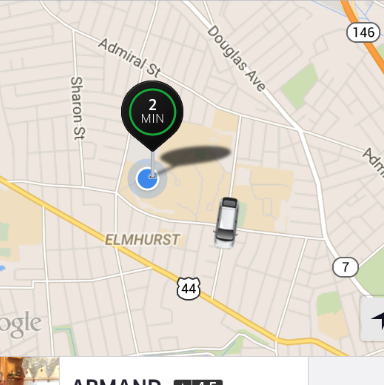
Global bank UBS’ evidence lab “ran a massive simulation model to estimate the future of ride-hailing in New York City, and the impact robo-taxis could have on the space," according to Business Insider.
Their conclusions predict a $2 trillion robo-taxi market by 2030.
For consumers and riders, perhaps the biggest takeaway of the real-time simulation is that fares could drop significantly over the next decade, by as much as 80%, meaning even more competition between car rides and public transportation.
"The average fare paid by passengers could fall by more than 80% and become cheaper than a metro ticket," the team of analysts wrote in their lengthy report to clients, published on May 22. "In such a scenario, the robo-taxi fleet would still generate a healthy profitability margin of more than 30%," reports Business Insider.
Editor's note - an earlier version misidentified the research being conducted on the state of the middle class as being done by Pew Research. That was incorrect. The research was conducted by Pew Charitable Trusts. We apologize for the error.