


Study Finds WooSox’s Polar Stadium Economically Underperforms, Warning Issued to Other Projects
GoLocalProv Business Team
Study Finds WooSox’s Polar Stadium Economically Underperforms, Warning Issued to Other Projects

A comprehensive analysis conducted by two economists found that the new Polar Park in Worcester, Massachusetts and Trust Park in Cobb County, Georgia failed to meet the financial returns promised for their respective communities.
GET THE LATEST BREAKING NEWS HERE -- SIGN UP FOR GOLOCAL FREE DAILY EBLAST
The economic findings are bleak for both communities with significant losses and missed economic opportunities. Worcester established a special tax district in the area surrounding the ballpark. This is similar to the super tax district in Pawtucket for the minor league soccer stadium called Tidewater.
The 42-page study was published by Robert W. Baumann of the College of the Holy Cross and John Charles Bradbury of Kennesaw State University. The study is titled “Estimating the Fiscal Impact of Stadium Developments: Evaluating a Pro Forma Model.”
"We conclude that pro forma estimates do not provide credible forecasts of fiscal impacts, and ancillary developments do not improve the fiscal returns of stadium projects," Baumann and Bradbury write.
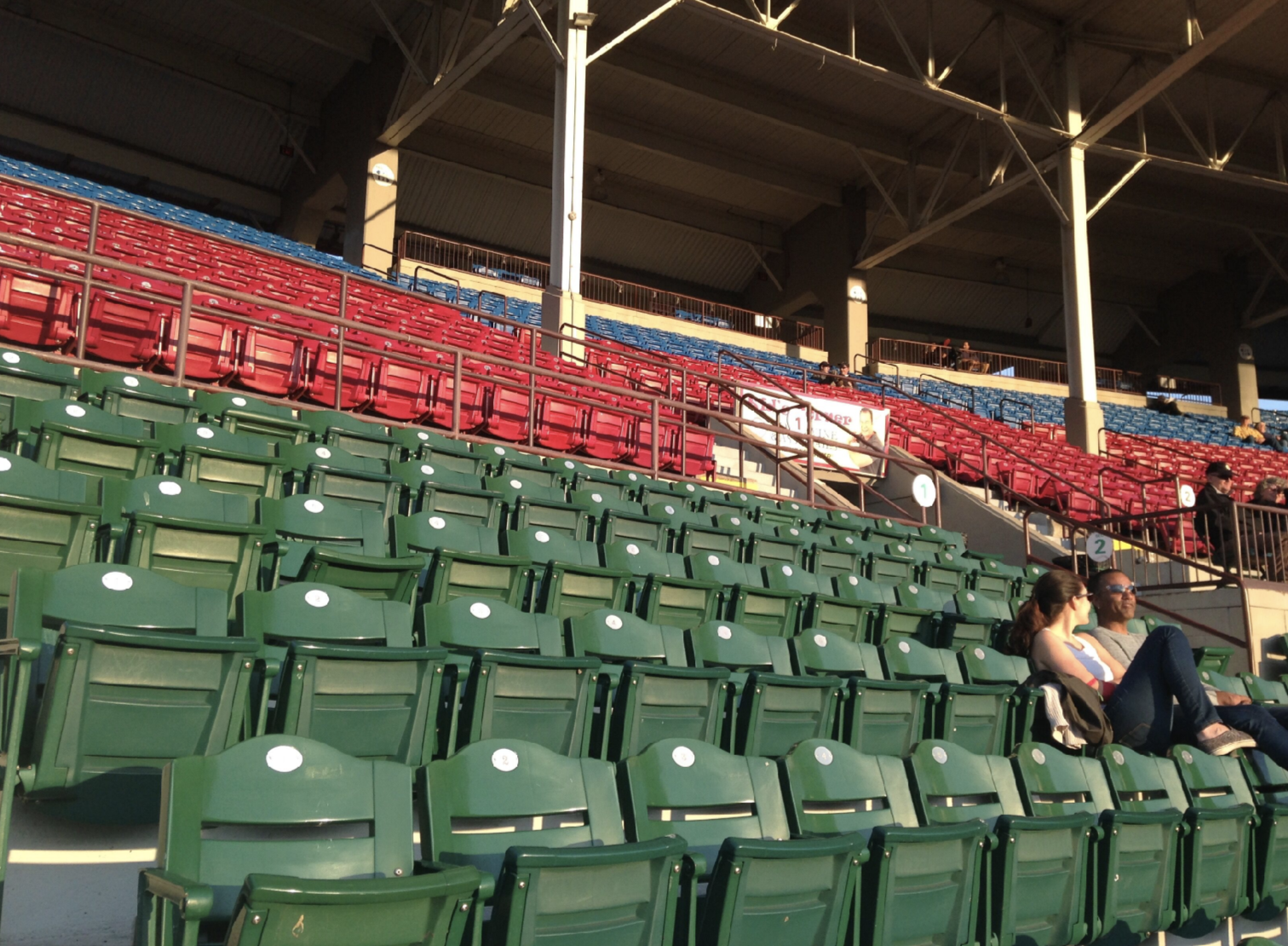
The Worcester WooSox drew approximately 500,000 fans last season to Polar Park — the second-highest reported attendance in the International League. A GoLocal story on the franchise, when it was then the Pawtucket Red Sox, found that the franchise inflates its attendance by as much as 300%. Initial cost estimates for Polar Park ended up being off by about $60 million, even after the stadium was redesigned to save costs.
The new study not only finds that the two stadiums are not producing a positive return on investment, but the economists issued a warning to policymakers in other cities considering such projects.
“Using reasonable assumptions and standard conventions for conducting cost-benefit analysis, the model estimates that both stadiums are expected to produce substantial negative returns on investment—between -$40 to -$60 million for Polar Park (Worcester) and -$100 to -$200 million for Truist Park (Cobb). Polar Park and Truist Park are not examples of successful stadium developments that generate net positive economic benefits, which provide a model for other communities to emulate," Baumann and Bradbury write.


After the PawSox left Rhode Island, then-Governor Gina Raimondo signed a deal with Brett Johnson and his Fortuitious Partners to develop a minor league soccer stadium in Pawtucket. That project is under development but the developer who once claimed he had raised his capital to construct the project is still millions short. The City of Pawtucket pulled back on the issuance of $27 million in bond financing for the stadium.
Other questions have emerged about the developer's business track record.
"Policymakers should remain skeptical of projections of large economic benefits from stadium-districts, which supposedly defy the abundance of historical evidence that stadiums have limited economic benefits. Economists have established that stadiums are poor drivers of economic development because most stadium-related spending is reallocated local spending," write Baumann and Bradbury.
"The addition of an ancillary development does not change the underlying economics that spending in and around the stadium represents displaced local spending from elsewhere in the community, and thus represents a zero-sum gain to the jurisdiction’s economy," the economists write.