


Neighborhood Health Plan, Thundermist and Algorex Health Battle Food Insecurity in Woonsocket
GoLocalProv News Team
Neighborhood Health Plan, Thundermist and Algorex Health Battle Food Insecurity in Woonsocket
The initiative's objective is "to test whether supplemental groceries delivered to the homes of members with significant food access challenges have a positive impact, particularly when combined with the engagement of a clinical team, on the health and quality of life of participants. Rolled out over the December holidays, the pilot program will culminate in mid-June and use both quantitative and qualitative measurements to determine impact on participants’ health," said the groups in the announcement.
Participants in the program receive weekly or bi-weekly, depending on household size, boxes of shelf-stable foods delivered to their homes to address gaps in food access. The boxes also include face masks and hand sanitizer to support pandemic safety measures. The design of the program was informed by social determinants of health (SDOH) data and is unique compared to other food intervention programs in Rhode Island because of its integration of clinical engagement with participants.
GET THE LATEST BREAKING NEWS HERE -- SIGN UP FOR GOLOCAL FREE DAILY EBLAST“As one of the Nation’s top safety net health plans, Neighborhood’s number one goal is to ensure its members have access to the resources they need to live healthy lives,” said Peter Marino, president and CEO of Neighborhood. “This program is an example of our commitment to that goal. We have terrific partners in Thundermist and Algorex Health, and our combined efforts will help address challenges that are often the most significant barriers to food access—economic stability, access to transportation, and availability of healthy foods.”
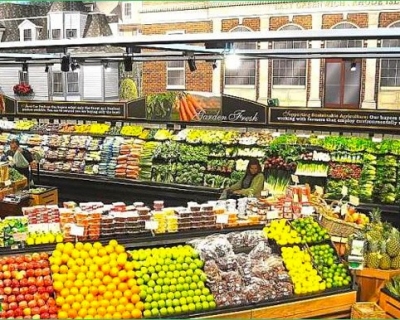
As an early advocate for using SDOH data to inform and action programs to spur change, Neighborhood engaged Boston-based data science company Algorex Health to conduct an analysis of Neighborhood’s membership. Together, Neighborhood and Algorex Health identified Medicaid members living in a “food desert” in Woonsocket. The data showed that there are significant challenges to accessing healthy food in many parts of Woonsocket when taking into account income, proximity to retail outlets including supermarkets (Woonsocket has no supermarkets), and vehicle access among residents.
“Access to healthy food is integral to improving overall health,” said Sapna Chowdhry, MD, medical director at Thundermist. “If a patient goes to bed hungry or lacks access to nutritious food, it is difficult for them to focus on other aspects of health. Our partnership with Neighborhood will reduce barriers patients face in improving their health and wellbeing.”
"Developing solutions to food insecurity, like other social determinants of health, is particularly challenging given the range of underlying causes and their connectedness to one another. Issues such as poverty, unemployment/under-employment, lack of transportation and inconsistent access to enough healthy food are often deeply interconnected. By collaborating with partners mutually vested in the health of Rhode Island’s vulnerable populations," said the groups.
The unique aspect of the “Neighborhood-Thundermist Food Access Program” is the consistent engagement by Thundermist’s Community Health Team (CHT) with participants of the program. As part of the enrollment process of patients who met the criteria for the program, CHT staff provided assistance with selecting a food box type—vegetarian, non-vegetarian, and ready-to-eat options—that would best meet the distinctive health needs of the patients and their families. At the same time, they administered a short survey about food security status to serve as a benchmark for follow-up surveys. For the duration of the program, CHT staff will connect with patients each month as well as conduct mid- and end-campaign surveys to assess for changes.
Following the program’s conclusion in June, Neighborhood will analyze its impact and consider expansion of the program. Evaluation criteria will include improvements in self-reported food insecurity, levels of access to food, health status including stress levels and adherence to primary care provider and CHT appointments, plus reduced overall financial strain.