


The Cellar: 2 Great Values
Steffen Rasch, GoLocalProv Wine Writer
The Cellar: 2 Great Values
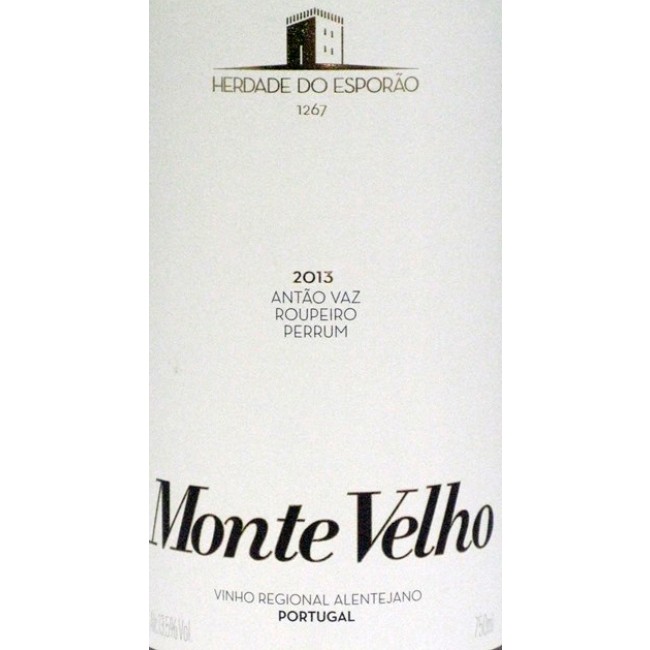
Whenever someone asks me to recommend a delicious $10 bottle of white wine I usually think of the great values often found in Portugal. Depending on the style of white the person prefers; lean and crisp or medium bodied and fruity, I will recommend either a white from Portugal’s northernmost Vinho Verde region, a cool coastal area which makes crisp and refreshing whites, or a white from Alentejano, which is located in a warmer area, further south and more inland. One of the best $10 white Alentejano’s available locally is made by Herdade do Esporão – one of Portugal's leading privately held wine companies. Their entry-level Monte Velho series is one of the best selling wines in all of Portugal and one that is heavily distributed here in the US – for good reason.
I have been a huge fan of this wine for quite some time and the 2013 vintage doesn’t disappoint. This wine is a delicious blend made from 40% Antão Vaz, 40% Roupeiro and 20% Perrum - three indigenous, high-yielding grape varietals each of which give a unique characteristic to the blend. Antão Vaz is responsible for the ripe, tropical-like fruit flavors while Roupeiro provides the stone fruit, as well as the refreshing citrus lift. Finally, the Perrum (aka Palomino, which is the base grape in Spain’s Sherry production) is more neutral in flavor and lower in acid. Blended together in this wine the result is a delightful, medium-bodied aromatic wine loaded with ripe apricots, peaches, pears and lemons.
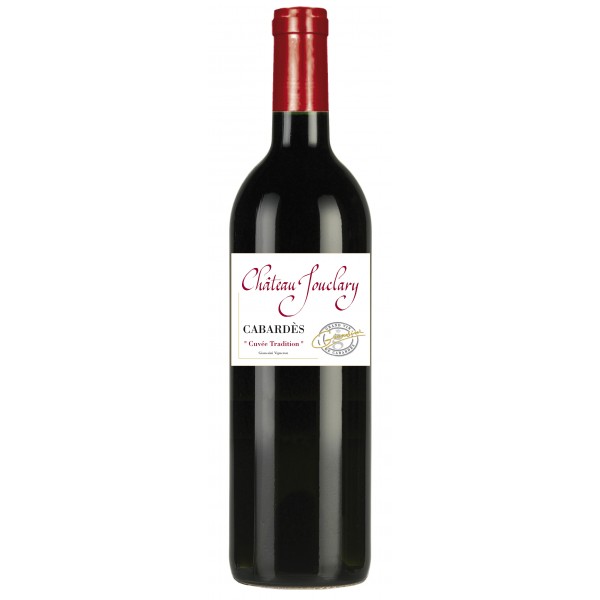
GET THE LATEST BREAKING NEWS HERE -- SIGN UP FOR GOLOCAL FREE DAILY EBLAST2011 Chateau Jouclary, ‘Cuvee Tradition’, Cabardès, France
This week’s second wine is a ‘The Cellar’ first, as it will feature a red wine from the small appellation of Cabardès. Cabardès is technically located in Southwestern France between the borders of Languedoc-Roussillon, where the grape varieties Grenache and Syrah rule the landscape and France's ‘Sud Ouest’ region, a region that in terms of wine is similar to Bordeaux, meaning that the wines are primarily red blends made of Cabernet Franc, Cabernet Sauvignon and Merlot. This split identity is manifested in the grape varieties which are required to form the base of Cabardès wines and indeed are featured in this week’s red blend.
Steffen Rasch is a Certified Sommelier and Specialist of Wine. Feel free to email him at [email protected] with any wine-related question or learn about wine in person by signing up for one of his tastings through the Providence Wine Academy.