


The Cellar: Great Blends from South Africa
Steffen Rasch, GoLocalProv Wine Writer
The Cellar: Great Blends from South Africa
The historic wine region of Stellenbosch is arguably South Africa’s most famous. The region’s granite and sandstone soils, combined with the dry and warm climate with cooling maritime influences, makes for near ideal grape growing conditions. This results in a diverse regional portfolio of wines. While Cabernet Sauvignon is the most widely planted grape variety, other varieties such as Chardonnay, Shiraz, Chenin Blanc and Sauvignon Blanc are also grown in this diverse wine region.
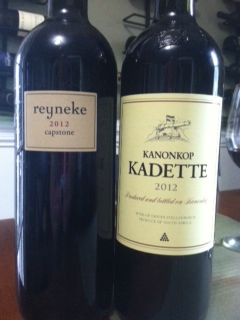
This week’s first blend is a red wine I have been enjoying since it first came to our shores more than a decade ago and one of the first South African wines that I starting buying consistently. I am of course talking about the Kanonkop Kadette; a red blend based on South Africa’s signature grape variety Pinotage. Pinotage is a really interesting grape variety. It was first bred in 1925 and is a cross between Pinot Noir and Cinsaut. If you’ve never tasted a straight Pinotage I urge you to seek one out as these wines can be really good values; often medium bodied filled with red fruits and savory undertones along with smoke and leather. The people of Kanonkop are not just workers or employees – they are the company. The management style employed at Kanonkop is one of decision-making from the bottom up, with profit sharing being a major incentive for all employees, the majority of whom live at the Estate. All of which is pretty cool if you ask me.
GET THE LATEST BREAKING NEWS HERE -- SIGN UP FOR GOLOCAL FREE DAILY EBLAST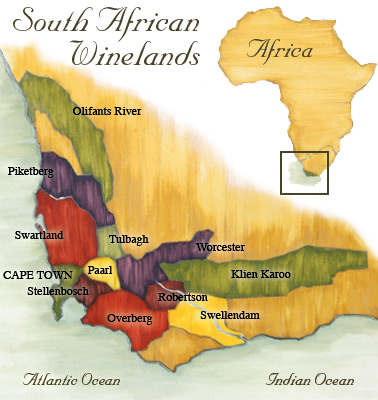
This week’s second wine is a first for me. The wine is called ‘Capstone’ and is a Bordeaux-styled red blend from Reyneke Winery, a producer which has received a lot of attention in recent years racking up a slew of 90+ scores from all the big critics. Reyneke is not only an organic produce, which means that no pesticides or artificial fertilizers are used in making any of their wines, they are what’s called ‘bio-bdynamic’. I find that the definition of being ‘biodynamic’ ranges depending on where you are in the wine world and who you ask. At Reyneke they see their biodynamic farm as an ‘individuality’ and take great measures in keeping everything as self-sustainable and self-supporting as possible. For example, at Reyneke they don’t spray, instead they grow ‘companion plants’ to outcompete weeds. And instead of laying down commercial fertilizers they use the ‘natural fertilizers’ from free-range ducks.
The 2012 Capstone is a blend of 60% Cabernet Sauvignon, 20% Merlot and 20% Cabernet Franc. Right off the bat you can tell this a big and serious wine - dark and dense. This is the grilled steak wine as the tannins are screaming for something to tangle with. The fruit profile is darker and riper. There is also a healthy dose of smoke, herbs and tobacco. Really good stuff and a wine that I can see improving with age.
Cheers,
Steffen Rasch is a Certified Sommelier and Specialist of Wine. Feel free to email him at [email protected] with any wine-related questions or learn about wine in person by signing up for one of his tastings through the Providence Wine Academy. The next tasting is Sunday, May 31st during which participants will be exploring the grape varieties Pinot Gris, Gamay and Merlot.