


Biden Needs to Lead by Making Responsible Choices - Sasse
Gary Sasse, Guest MINDSETTER™
Biden Needs to Lead by Making Responsible Choices - Sasse
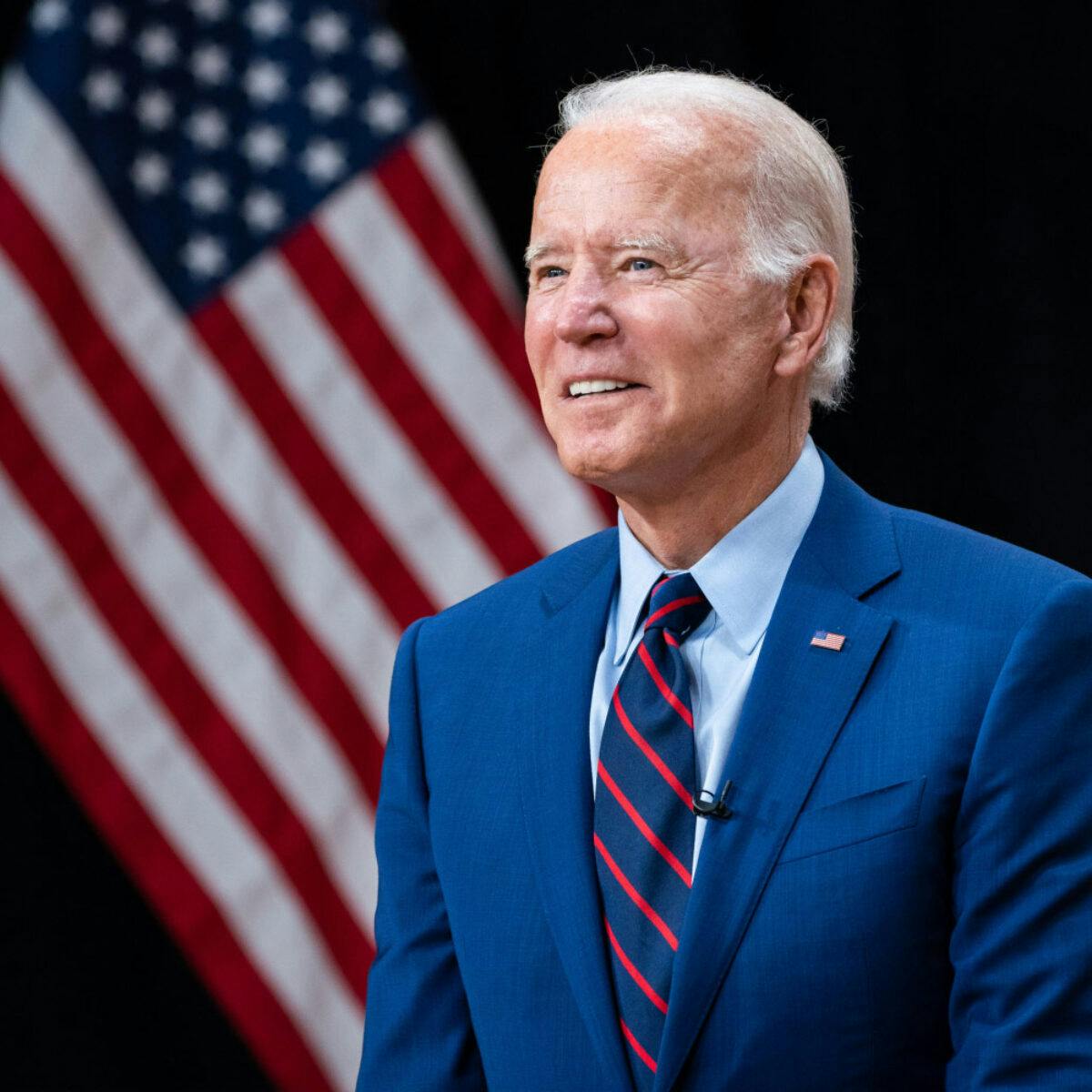
The trust congressional Democrats and voters place in President Biden’s efforts to cobble together a compromise acceptable to both progressives and moderates may influence the outcome of the 2022 election. This task will be challenging because moderate Democrats have questioned the President’s leadership in attaining a $1 trillion bipartisan infrastructure bill that was passed with both Democratic and Republican support in the Senate.
The devil is truly in the details of the 2,465 page reconciliation budget. For example, not all the new entitlements are needs tested, and there are no work requirements. Some of the major items include the following:
GET THE LATEST BREAKING NEWS HERE -- SIGN UP FOR GOLOCAL FREE DAILY EBLASTTwo free years of community college as well as expansion of Pell Grants.
Child care and universal pre-K aimed at holding child care cost below seven percent of family income.
Medicare expansion to include dental, vision and hearing services. The legislation does not deal with Medicare potentially becoming insolvent in 2026.
Enhanced child care tax credit of $3,600 for children up to six years of age, and $3,000 for children ages six to eighteen. While the credit phases out with the amount of income, a family with four children earning $400,000 would be eligible.
Paid family and medical leave for 12 weeks.
Incentives to combat climate change by reducing the use of fossil fuels.
Democratic leaders are at a crossroads. Their response to the task of reducing the size of the reconciliation bill by about 40 percent will test their political resolve because of the political, social and economic ramifications of the decisions they make.
As the President and congressional leaders try to advance the ball, they have two strategic options. The first would be to use “smoke and mirror” budgeting gimmicks. These budget maneuvers might include delaying implementation dates, earlier sunset provisions which are a mirage because it is hard to eliminate an entitlement, and various accounting stunts. The result would be a reconciliation package that includes much of the progressive’s wish list but with an apparent lower price tag.
This sleight-of-hand budgeting may not be sustainable and thus not achieve the permanent benefits proponents anticipate. Robert Greenstein, founder of the liberal Center for Budget Policies and Priorities, told the New Yorker Magazine, “Trying to do everything for a short time is a recipe for ending up with little that is enduring over the long-term.”
The second option would be to define priorities and make tough choices. This will take political courage because the elements of the $3.5 trillion plan are aggressively supported by progressive groups that comprise key constituencies in the Democratic Party.
In the coming weeks we may learn if the President and “Team Pelosi” can get progressives and moderates to compromise on the tough questions. For example, is universal pre-K more critical than providing seniors dental and vision services? Is subsidizing electric vehicles a higher priority than enhancing child care tax credits? Should free community college be given a priority over twelve weeks of paid medical and family leave?
Setting priorities could help ensure that President Biden’s Build Back Better agenda is sustainable. Thus, making it more difficult for opponents to modify or repeal it in the future.
Strong and trusted presidential leadership is needed to encourage congress to compromise. This may be achieved if a compromise includes two or three key priorities to help families, plus the bipartisan infrastructure bill to rebuild roads, bridges, the electrical grid, water systems and expand broadband.
As Senator Joe Manchin (D-WV) said, “The nation faces an unprecedented array of challenges and will inevitably encounter additional crises in the future.” This statement takes on added significance because the shortage of workers and supply chain problems are crimping America’s economic recovery. It is these challenges the Administration and Congress should be focused upon.
.jpg)