


Guest MINDSETTER™ Tom Kenney: The PFD Post Incident Report
Guest MINDSETTER ™ Tom Kenney
Guest MINDSETTER™ Tom Kenney: The PFD Post Incident Report
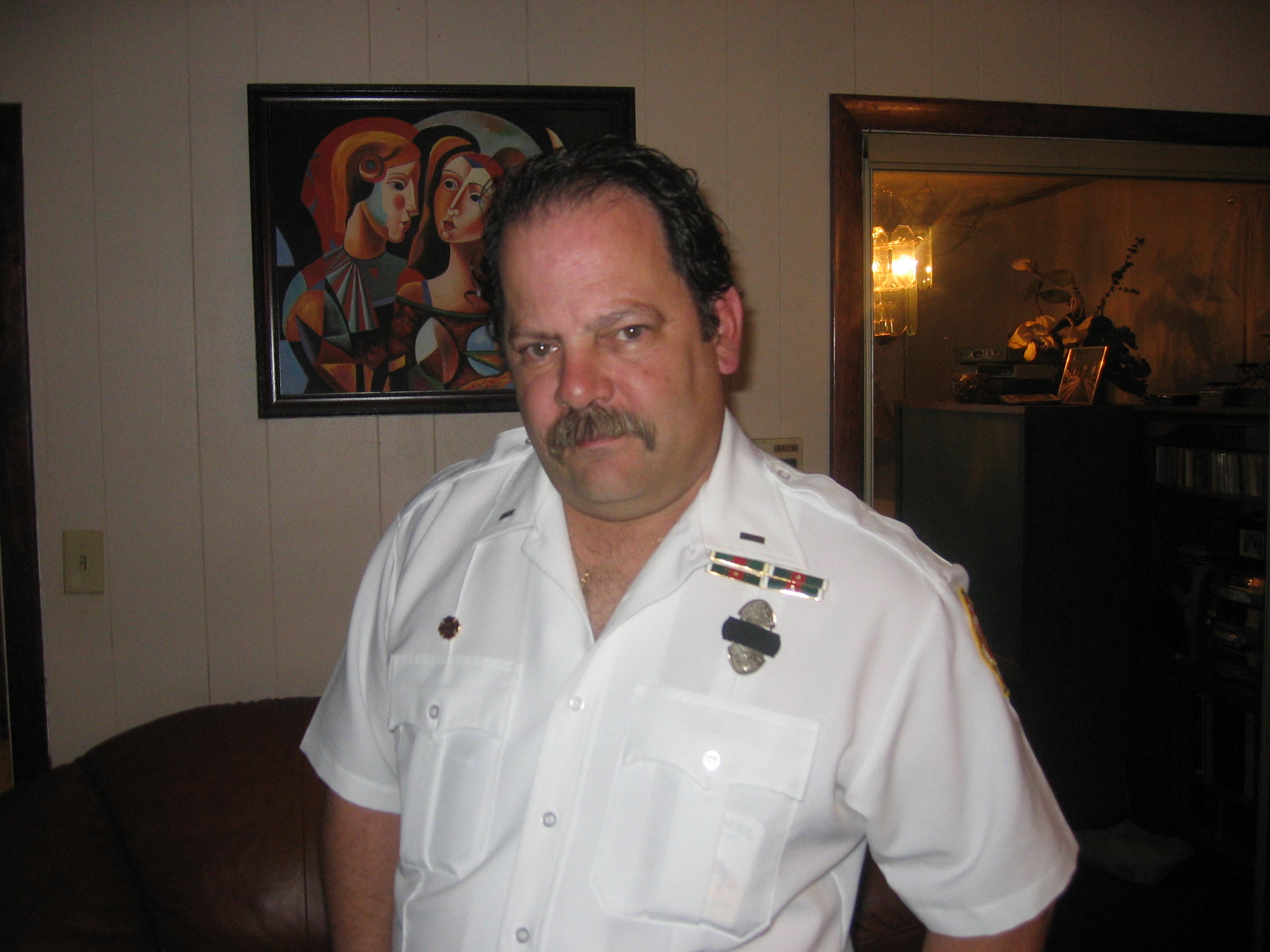
On Thursday an internal post incident report was delivered to him (and shared with the media) examining the injuries resulting from the two multiple alarm fires on the same day in late March where 14 Firefighters were injured and treated at the hospital, including 4 who were treated for cyanide poisoning. One of them, Captain Joe Fontaine, was in critical condition and hospitalized in the ICU for a week.
Post incident reports are a standard for fire departments all around the world after an incident in which a firefighter(s) is seriously injured or killed in the line of duty. The purpose of such a report is to identify the response of the entire fire department and those things that contributed to the eventual injury or death. Things that went right…as well as those things that went wrong.
GET THE LATEST BREAKING NEWS HERE -- SIGN UP FOR GOLOCAL FREE DAILY EBLASTA fire or rescue scene is always unpredictable and often very chaotic. We have standard operating procedures for as many types of incidents we can imagine. It’s impossible to predict every type of incident we may be called to and also impossible to come up with a comprehensive procedure to deal with any type of emergency that would always be the best method to attack an incident. Each incident is a dynamic set of circumstances that can (and will) take surprising twists and turns. We constantly examine our methods and tactics to attempt not repeating tragic results. That is why these types of investigations and reports are so vital to improving fireground effectiveness and safety.
The 46-page report is very comprehensive. It deals with fireground conditions, tactics, equipment and as many other factors that may have had even the slightest influence on the entire chain of events up to and beyond the injuries that occurred. It was authored by a Fire Chief with 37 years of experience and two Fire Captains, both with over 25 years experience, who are Acting Battalion Chiefs. That’s around 90 years of firefighting experience!
Among the multitude of contributing factors listed were the lack of a Command Staff in the PFD and the exhaustion factor of firefighters working the new shift which calls for them to work 56 hours a week with only one full day off between shifts. For many of these firefighters, their work week consists of 70-80 hours due to forced overtime, still with only one full day to recuperate before starting all over again.
Myself and many others who know what it’s like to work in a busy fire department had predicted from day one of this new schedule that fatigue would cause many more injuries on the fireground and possibly end up causing the Line of Duty Death of one of our own.
Well, surprise, surprise but little Mr. Absolute Power, with his zero experience or knowledge of what contributes to injuries on a fireground (because he’s never been working at one), has sent the report back to the Chiefs and told them to rewrite the report because he claims that exhaustion and fatigue played no part in the injuries and that the report was laden with political rhetoric.
I guess that settles it then. I know I always take the word of no experience over a combined 90 years experience…it just makes sense!
Report of Investigation Committee into Firefighter Injuries Sustained at 41 Eaton Street

Page 1

Page 2

Page 3

Page 4

Page 5

Page 6

Page 7

Page 8

Page 9

Page 10

Page 11

Page 12

Page 13

Page 14

Page 15

Page 16

Page 17

Page 18

Page 19

Page 20

Page 21

Page 22

Page 23

Page 24

Page 25

Page 26

Page 27

Page 28

Page 29

Page 30

Page 31

Page 32

Page 33

Page 34
Page 35

Page 36

Page 37

Page 38

Page 39

Page 40

Page 41

Page 42

Page 43

Page 44

Page 45

Page 46


