


RI Foundation’s Lawyer Delays Agreement on Preservation of $8.8M in Charitable Assets in St. Joseph
GoLocalProv News Team
RI Foundation’s Lawyer Delays Agreement on Preservation of $8.8M in Charitable Assets in St. Joseph
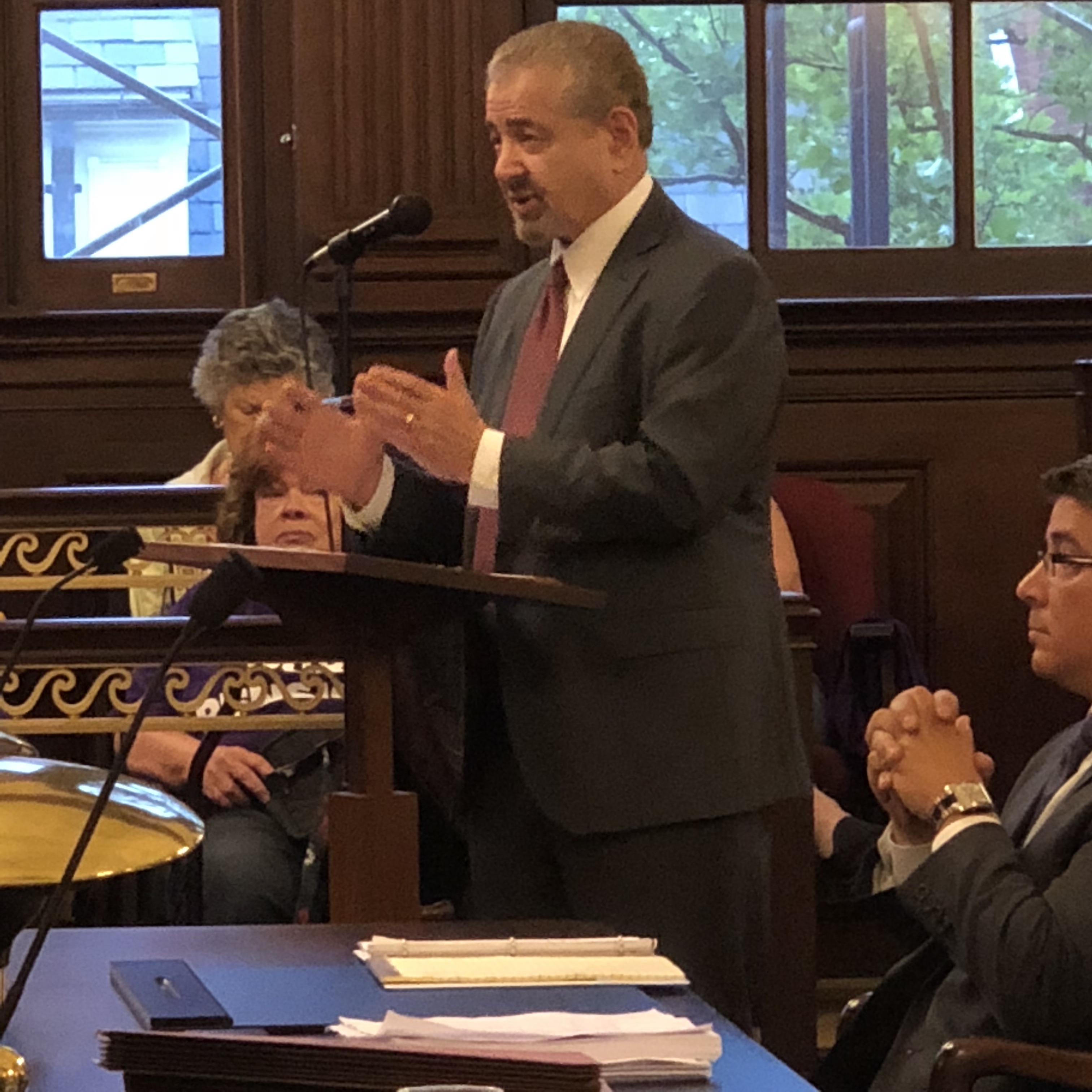
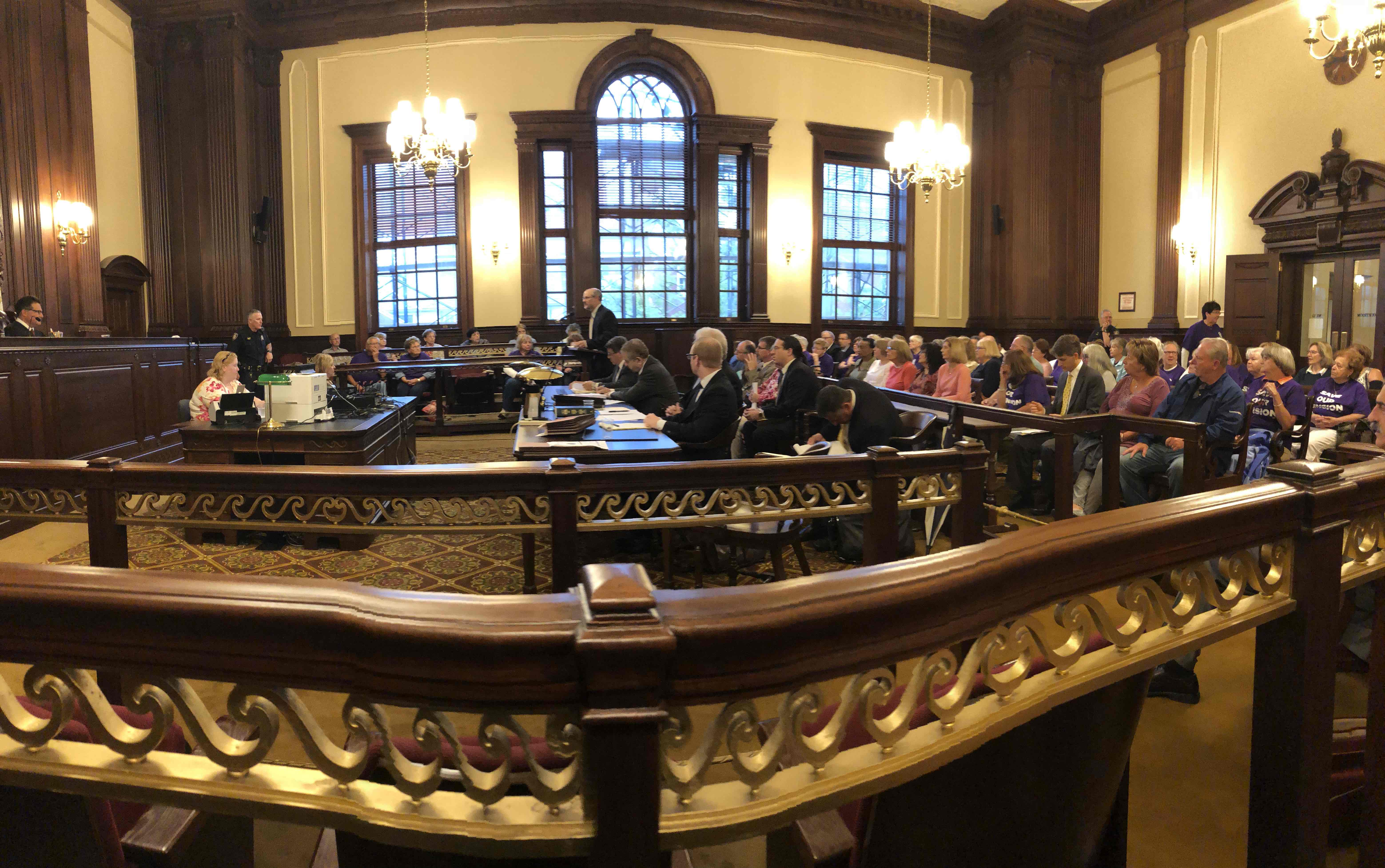
Thursday's hearing was thought to be an effort by the special investigator Max Wistow to seek to intervene on the question of the future of now $8.8 million in charitable assets.
As attorneys for the receivership and the now-defunct CharterCare Health Partner’s Foundation were announcing the agreement on how to preserve the assets while the more overarching litigation moves forward, the attorney David Wollin held up the procedures and delayed implementation of the agreement.
GET THE LATEST BREAKING NEWS HERE -- SIGN UP FOR GOLOCAL FREE DAILY EBLASTWollin represents the RI Foundation. According to one attorney in the court, Wollin’s objections constituted adding a couple of commas to the agreement.
This is not the first time the RI Foundation delayed proceedings. In February, Del Sesto voiced frustration over the Foundation’s lack of responsiveness in complying with document requests.
SEE AN OVERVIEW OF THE FEDERAL LAWSUIT FILED EARLY THIS MONTH
In February, the Rhode Island Foundation was hit with a subpoena in the investigation.
In 2014, Rhode Island officials approved the sale of CharterCARE to Prospect of California — as part of that deal the pension fund of St. Joseph Health Services was orphaned and left with more than a hundred million in unfunded pension liability and no source of further contributions. Despite the shortfall Attorney General Peter Kilmartin sought and received court approval of the transfer of then-$8.2 million in charitable assets to be transferred to the RI Foundation. The case, for unknown reasons, was never closed.
The subpoena was issued on February 9, 2018, was met with resistance from lawyers for the RI Foundation and receiver Del Sesto voiced frustration at the time by the lack of urgency and the legal machinations of the Foundation’s lawyers.
“There are important issues to be examined. We are looking to see if the dollars that were transferred to the RI Foundation were restricted or non-restricted, and, whether the dollars should have need transferred at all if there was a massive shortfall in the pension system,” said Del Sesto, a partner at the firm Pierce Atwood.
The funds were transferred under the legal doctrine cy pres.
“If it becomes unlawful, impossible or impracticable to carry out the purpose of the designated charitable trust or becomes wasteful to apply all the property to the designated purpose, the trust will not fail but instead the court will direct the application of the property (or a portion of the property) to a charitable purpose that reasonably approximates the designated purpose. The cy pres doctrine means "as near as possible,” writes Cornell School of Law. The charitable donations could not be transferred to Prospect as other assets were in the sale as the California-based company is a for-profit concern.
“While the funds may have been donated with a specific charitable intent, the funds should go to address the creditors of the hospital before the funds were transferred to a third party,” said Del Sesto.
“It is frustrating that the RI Foundation is asking for additional time in order to respond to the subpoena. They should have responded immediately,” added Del Sesto.
“We are not going to leave any stone unturned trying to recover funds for the retirees,” said Del Sesto.
Presently, more than 2,700 members of the plan face a fund that is estimated to be underfunded by $118 million.
10 Shocking Elements of the St. Joseph Pension Fund Lawsuit Against the Diocese and Others

Another Hospital Group Identified that the Pension Fund Needed $72M for Plan
In 2012, prior to CharterCare, then the owner of St. Joseph being sold to Prospect of California, another hospital group wanted to purchase Roger Williams, St. Joseph and Fatima. That group, LHP Hospital Group, identified that the pension fund needed a $72 million infusion, but their offer was rejected.
The $72 million was $58 million more than the amount put into the pension fund by Prospect, the eventual purchaser, in 2014.

All the Parties Knew the Pension Plan Was No Longer a Church Plan
Post sale of St. Joseph to CharterCare in 2009 and then CharterCare’s sale to Prospect, and despite knowing that for the pension fund to continued to be considered a “church plan,” the Diocese and hospital officials continued to list the hospital under the U.S. Conference of Bishops’ Catholic directory as “operated, supervised, or controlled by or in conjunction with the Roman Catholic Church.”
The lawsuit states that all the defendants in the suit knew this claim was false.

Tobin Misleads the Vatican
The lawsuit lays out that “Bishop Thomas Tobin did not disclose in his letter to the Vatican that the proposed asset sale increased the probability of the Plan failing. Instead, Bishop Tobin omitted that information and, in effect, said the opposite, that approval of the asset sale was actually necessary to secure the Plan.”
The suit goes on to assert, "On September 27, 2013, Tobin signed his letter as altered by [legal] counsel for [St. Joseph Health Services, CharterCare and Roger Williams Hospital] and sent it to the Vatican.”
The parties knew the implications, “These misrepresentations and omission concerning the Plan in the Bishop’s letter to the Vatican…all understood that Vatican approval was required for the transaction to proceed..”

Suit Alleges Fraud
The lawsuit is blunt as it alleges that, "Saint Joseph Health Services of RI, the Prospect Entities, and other Defendants violated ERISA, committed fraud, breached their contractual obligations, violated their duty of good faith and fair dealing, and otherwise acted wrongfully. As a result, they must be required to compensate losses to the Plan and remedy such violations, including returning all assets improperly diverted to the Plan, and to otherwise fully fund the plan."

Severe Remedy
Wistow and his team claim the remedy of violating the "fraudulent conveyance" laws in Rhode Island are severe and that the Plan -- thus the retirees -- should receive the assets, aka, CharterCare.
"They also ran afoul of Rhode Island laws prohibiting fraudulent conveyances. The remedies for those violations include that the Prospect Entities must turn over to the Plan and its participants the entirety of the assets they acquired in the 2014 Asset Sale, with no credit of offset for what they paid for those assets, or for the improvements that they may have made on the facilities. In other words, the Plaintiffs are entitled to a judgment awarding them these assets, including but to limited to New Fatima Hospital and New Roger Williams Hospital, or ordering that these properties and other assets be sold and awarding Plaintiffs the process from the sale up to the amount necessary to fully fund the Plan on a termination basis and to ensure the pensions of all Plan participants."

Quid Pro Quo
On August 14, 2013, key hospital officials meet with the leadership of the Diocese of Providence’s office to get sign off on the sale to Prospect.
According to documents, a meeting was convened which was attended by Bishop Tobin, Rev. Timothy Reilly and Msgr. Paul Theroux at that meeting the top Diocese officials signed off on the deal which cast the pension off as an orphaned plan. The deal also asserted certain promises critical to the leadership of the Diocese specifically that Roger Williams Medical Center would not engage in prohibited activities of the Diocese and specifically listed:
Abortion
Euthanasia
Physician-assisted suicide
The suit asserts that there was a “quid pro quo for freeing New Fatima Hospital from the unfunded liabilities of the plan, and granting these extensive and perpetual ‘Catholic identity covenants’ for New Fatima Hospital and New Roger Williams Hospital.”

Violated Federal Law and Federal Oversight
As the hospitals left the control of the Diocese and were sold off in 2009 and then, the ultimate sale to Prospect, officials knew that the pension plan was no longer a "Church Plan" and thus needed to then fall under federal regulatory review under ERISA.
According to the lawsuit, the "deceit" create a federal violation of the law and de facto an "unlawful violation of tax law and ERISA."

Misleading the Vatican, Continued
Bishop Tobin did not disclose in his letter to the Vatican that the proposed asset sale increased the probability of the plan failing. Instead, Bishop Tobin omitted that information (removed from the letter was “spiraling and gaping liability’ which was in the draft) and, in effect, said the opposite, that the approval of the asset sale [to CharterCare] was actually necessary to secure the plan."
The lawsuit goes on to assert, ”These misrepresentations and omissions concerning the Plan in the Bishop’s letter to the Vatican were included by the defendants…and the Diocesan defendant, all understood that the Vatican approval was required for the transaction to proceed, and knew or were told that the Vatican must approve specifically the ‘pension structuring.’”

Most Damning - Email After the Sale
In order to continue the status of the pension fund as a "Church Plan" and thus hide the financial condition of the fund from members and keep from federal regulation, after the sale legal counsel for St. Joseph Health Services of RI sent an email to the Diocese and copied CharterCare and the actuary Angell, reminding everyone of the consequences of the Diocesan defendants not listing St. Joseph in the Catholic Directory.
"Saint Joseph Health Services of RI believes that if it is not included in the 2015 issue of the directory that the pension fund will no longer qualify as a church plan and that the loss of the status will require that they immediately notify the applicable governmental authorities that the plan is currently underfunded."
The Diocese officials than contacted the editors of the directory and made sure that the St. Joseph remained listed, according to the suit.

Funds Diverted to Priest's Pension Fund
One of the biggest affronts to members of the now failed St. Joseph pension fund was that when the sale of CharterCare was completed the Diocese received a $640,000 repayment of a loan from the Inter-Parish Loan Fund.
The Diocese received those funds and instead of applying them to the pension fund, according to the lawsuit church records show that the loan was partially repaid, but that $100,000 was diverted to the priest's retirement fund -- a fund that is reportedly fully funded.


