


RI Once Had a Group of Elite Investigators to Combat Environmental Crimes - Now, Just One Detective
GoLocalProv News Team
RI Once Had a Group of Elite Investigators to Combat Environmental Crimes - Now, Just One Detective

GoLocal reported this week that the Rhode Island Department of Environmental Management was onsite at a location on Plainfield Street taking more samples from the contaminated pile. State officials have already determined that tons of materials were brought to the location from sites in Massachusetts and a contaminated site in Pawtucket — the site being developed for the new train station.
The construction firm at the center of the allegations is the Massachusetts-based Barletta Engineering/Heavy Division. which is one of the lead firms on the $410 million 6/10 Reconstruction project. The companies hired by RIDOT for the 6/10 project are called the "6/10 CONSTRUCTORS JOINT VENTURE." That joint venture has been paid in the past three-plus fiscal years $130,649,808, according to Rhode Island state records.
GET THE LATEST BREAKING NEWS HERE -- SIGN UP FOR GOLOCAL FREE DAILY EBLASTOf the total project cost, Barletta and its partners in the 6-10 Constructors Joint Venture's portion of the project is $247 million. The project was awarded to 6-10 Constructors Joint Venture after it was, the Barletta entities claim, the low bid by “more than 80 million dollars.”
Barletta has won hundreds on millions of dollars in state contracts from RI DOT in the past three years.
“I first brought concerns to Barletta in July and they did nothing," said James White, President of Local 57 of the International Union of Operating Engineers. "Our folks are trained in identifying hazardous materials and we had concerns about the soil materials they were bringing on to the site.”
After receiving no response from Barletta, White alerted RIDOT's Director Peter Alviti and then RIDEM's Director Janet Coit. Neither of them took any action. Coit never responded to White's whistleblowing letter.
Since GoLocal unveiled the contamination, both state and federal investigations have begun.
“The Clean Up Crew”
In the late 1970s, toxic waste was illegally dumped in trenches and barrels at the Picillo pig farm in Coventry. The site was discovered in 1977 after the toxic waste began to explode, starting a massive fire.
It was Rhode Island's own Love Canal. The Picillo site had more than 10,000 drums of toxic waste. The site became a Superfund site and the cost of cleaning up the property was in the tens of millions of dollars.

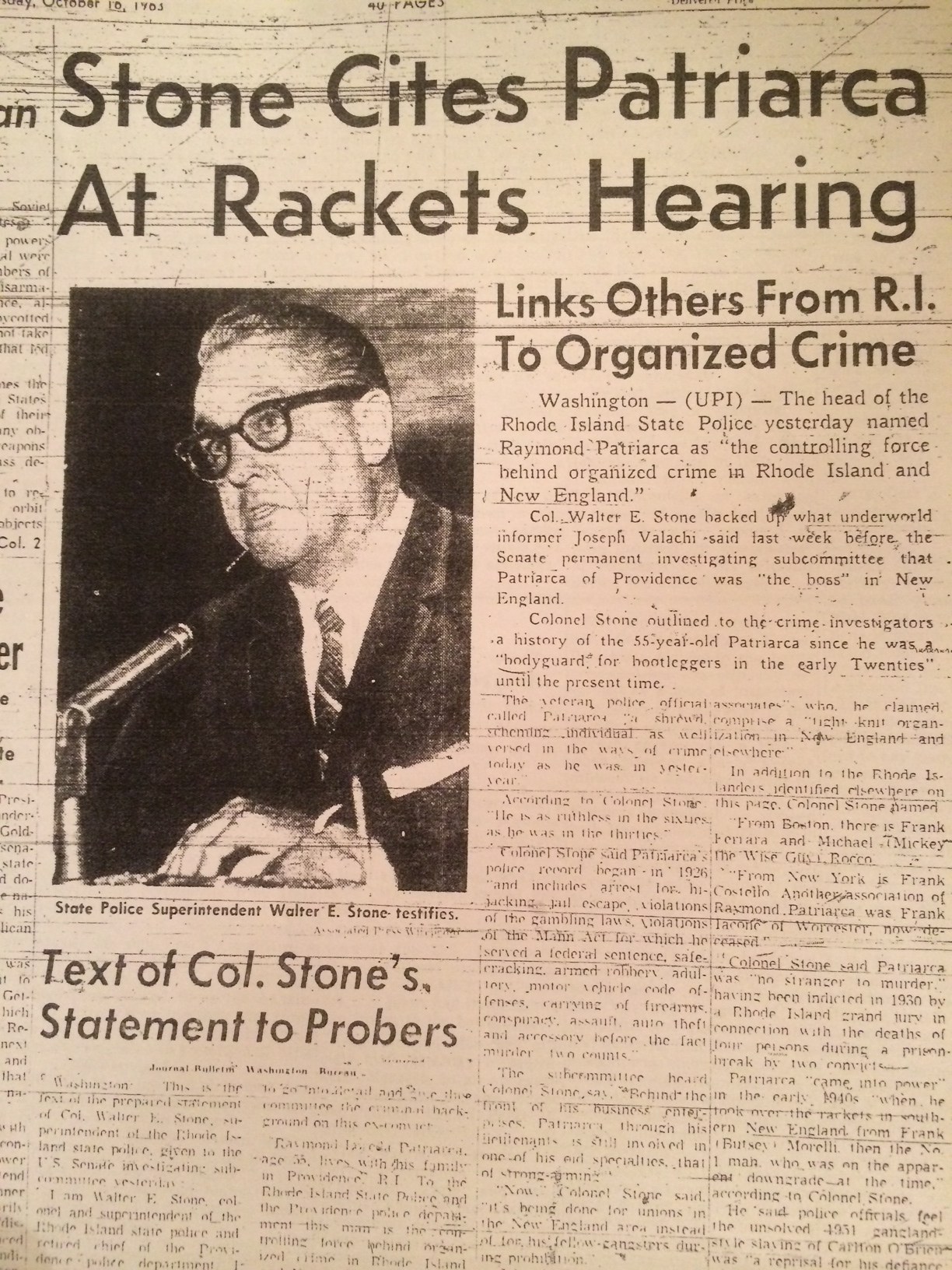
The unit took on the biggest cases — complex environmental crimes, some intertwined with financial crimes, and political corruption.
In 1991, the now-defunct Providence Journal Sunday Magazine wrote a cover story about the unit. The eight-page feature was written by then one of four environmental writers at the paper, Bob Wyss. The feature on Capelli and his unit was longer and more in-depth than most issues of the entire paper today.
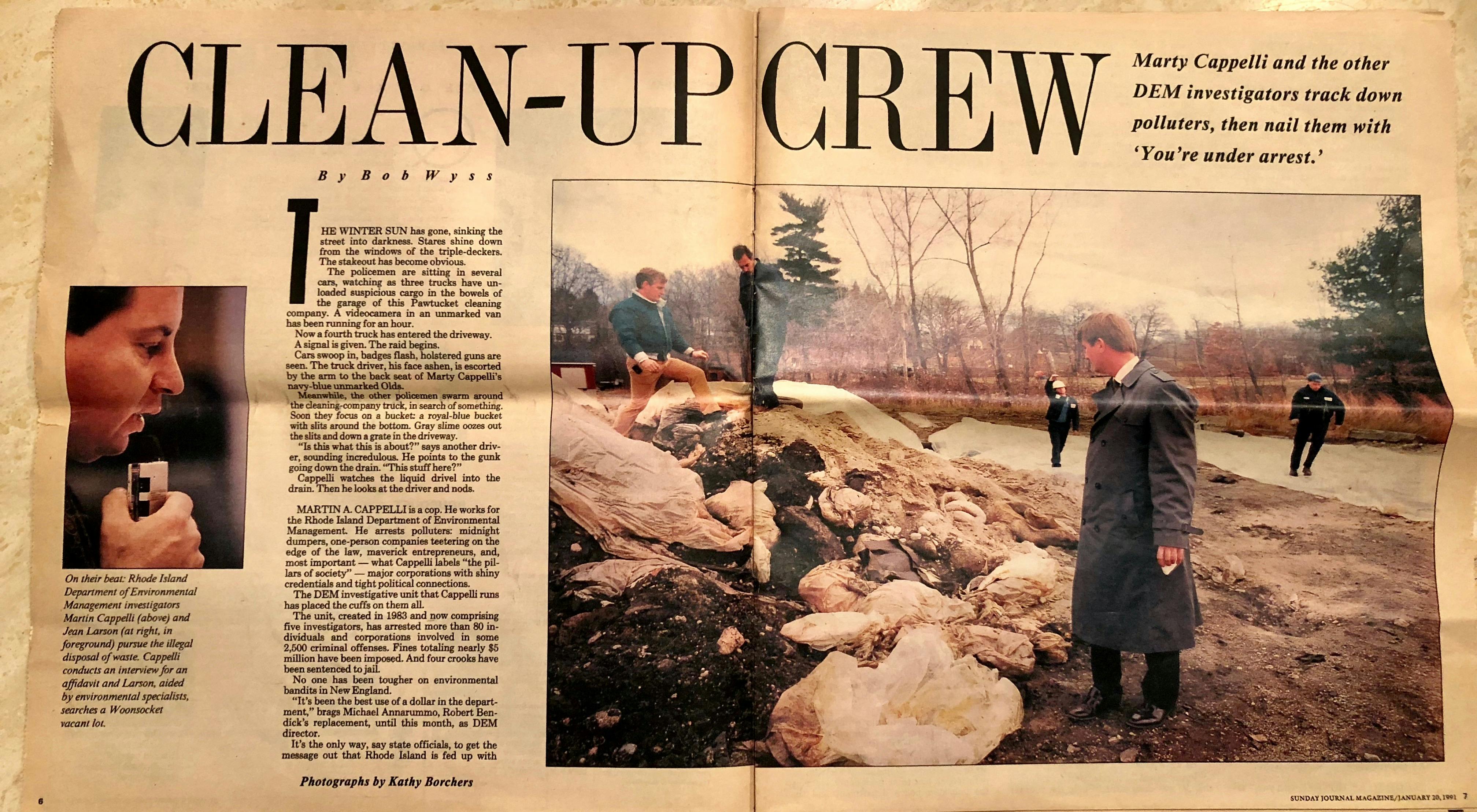
In the 1980s and 1990s, the office established a strong working relationship with EPA Special Agents out of Boston, the FBI, and the State Police, along with the Attorney General's office and local and city departments.
One of the cases that gave credibility to the Capelli's group was the unearthing of toxic transformers that were found on shipbuilder Robert Derecktor's land in Portsmouth. The case was charged federally.
In 1986, a federal grand jury indicted the founder of the company Derecktor shipyard on charges of illegally storing and dumping hazardous wastes into Narragansett Bay and on Derecktor's farm.
Transformers leaking PCBs were buried at Derecktor’s farm in Portsmouth and 4,000 tons of abrasives and lead paint chips were dumped into Narragansett Bay.
The case put Capelli’s unit at the forefront of top environmental units in America.
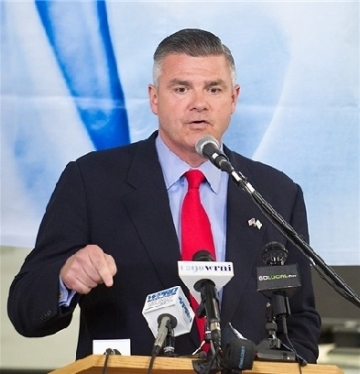
Doherty, who was assigned to the organized crime unit at the State Police, collaborated with Capelli on some of the biggest cases.
Capelli tells GoLocal, “All the cases that were made, some state, some federal, were successful because of the working relationship with state and federal authorities.”
But as governors came and went, businesses and political forces mounted.
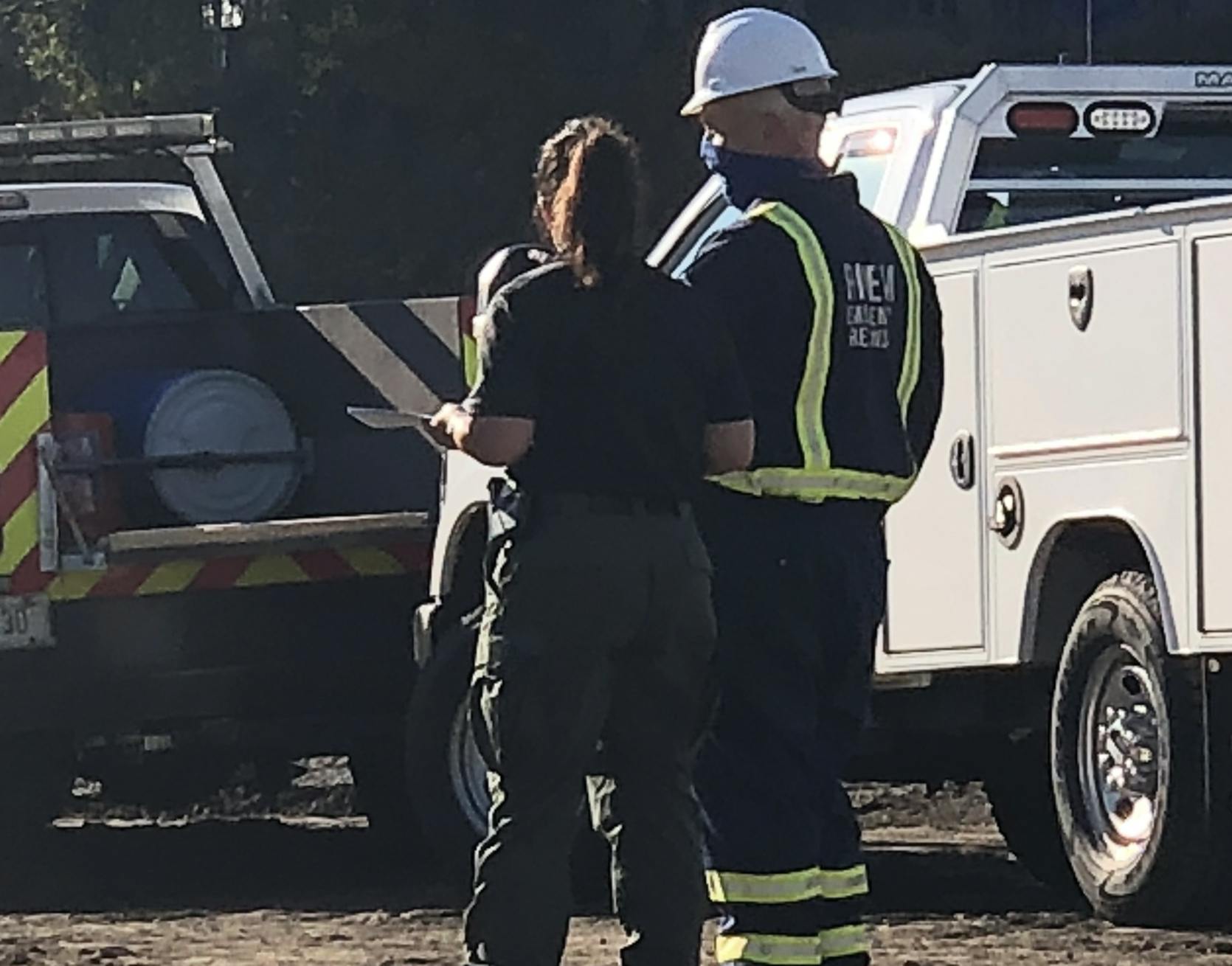
Under RIDEM Director Janet Coit, the Office of Criminal Investigation was folded into the agency’s Enforcement Division — a group that is responsible for enforcing hunting and fishing regulations.
The agency defends the consolidation.
“In 2012, as part of the consolidation of DEM’s two law enforcement offices, the former Office of Criminal Investigation was merged into the Division of Law Enforcement and renamed the Criminal Investigation Unit. The consolidation included the elimination of a chief and a deputy chief position. The mission of the Criminal Investigation Unit has not changed; the Unit works to enforce the laws of the State of Rhode Island relating to hazardous waste, solid waste violations, and water pollution and investigates cases involving fraudulent boat registrations,” said Gail Mastrati, a DEM spokesperson.
Today, the unit, which once had five full-time investigators and often had additional staff assigned from the State Police or Providence Police, now has just one detective -- Shelia Paquette.
And while DEM was slashing its investigative capabilities, families around the contaminated site on Plainfield Street are being impacted.
One family facing the contamination by the RIDOT 6/10 project is the Carmonas, who say they have suffered from the project that has been loud, and dirty. They worried about the impact of the soil constantly blowing onto their property. The family says the construction site has been far more than a nuisance. They say it has done damage to their home, and their lives,.
Now, they worry about the impact on their health.
Even after the RIDOT admitted that contaminated soil was piled up just feet from their home and the material covered their home, backyard and cars, no one from the state of Rhode Island notified the Carmonas.
Capelli says that the very existence of the Office of Criminal Investigations deterred polluters from committing environmental crimes, whereby saving the state and federal government funds for environmental cleanups.
"Don't we all have an obligation to protect the environment for future generations,“ said Cappelli.

Updated at 11:15 AM
6/10 Hazardous Material Investigation -- DEM and Law Enforcement -- October 6, 2020


