


State Money for Cities and Towns: Who Are the Winners + Losers?
Stephen Beale, GoLocalProv News Contributor
State Money for Cities and Towns: Who Are the Winners + Losers?
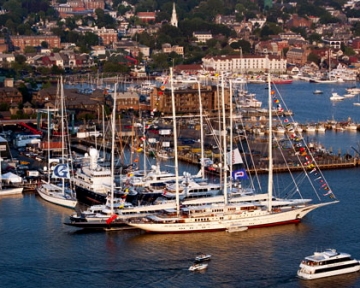
Data for municipal aid in the new state budget that takes effect next week shows a range in how much each community is receiving. In order to provide a fair and meaningful basis for comparing one city or town to another, GoLocalProv has totaled four of the main categories of municipal aid and divided by population to provide a per capita measure.
The resulting calculation shows that, on a per capita basis, the city of Newport tops the list, with $79 in state aid per capita (when New Shoreham isn’t counted). That’s far above the next highest community, North Providence which is receiving $51 in state aid for every resident.
GET THE LATEST BREAKING NEWS HERE -- SIGN UP FOR GOLOCAL FREE DAILY EBLASTThe top five communities include those that have been fiscally struggling—like Providence and West Warwick—as well as one that hasn’t: Barrington. The three communities received $49, $44, and $40, per capita in state aid, respectively. (See below slides for a breakdown for all cities and towns.) The figures do not include state education aid or revenue sharing between cities and towns from the hotel tax and the meals and beverage tax.
Still underfunded and unfair
Cumberland Mayor Dan McKee praised the state for accelerating a year’s worth of education aid as it phases in the new school funding formula (though he says the state should increase the ratio of state funding to local funding for education).

In particular, he takes issue with how state authorities reimburse cities and towns for money they lose from exemptions for car taxes. The current method, according to McKee, is based on tax rates, meaning that communities with higher taxes are effectively rewarded with more money from the state. “The distribution is not equitable,” McKee said. “It has never been equitable.”
McKee, now a candidate for Lieutenant Governor, said the state reimbursement should be the same for a $10,000 car, whether it’s in Bristol or Barrington.
It’s not just about being fair for McKee. “I think the equitable allocation of funds is really important in terms of the economy,” McKee said.
He worries that the rising property tax burden is driving residents out of some communities and, ultimately, the state. Those residents who have the ability to pick up and leave are exactly the ones state and local officials need to work harder to retain in the state so they can contribute to the economy here, McKee said. A fairer distribution of state aid, he added, will help alleviate the local property tax burden.
A lack of fairness is not the only issue, however. Communities are still reeling from the deep cuts made in state municipal aid during the recession, McKee said. At one time, he said Cumberland was receiving $4 million in annual state aid. Today, it is receiving $654,328.

Gary Sasse, the former administration director under Gov. Don Carcieri, said that state aid was “decimated” during the recession and has yet to return to pre-recession levels, putting increased pressure on local property taxes.
But there’s another way for the state to help cities and towns alleviate the burden of property taxes—and that is by finding ways of encouraging them to cut their own costs, Sasse added.
A spokesperson for a state taxpayer group agreed: “The question has to be asked: to what extent does a substantial amount of aid facilitate bad budgeting practices, such as raises and other expenditures, that local officials could not otherwise afford to implement?” said Monique Chartier, spokesperson for the Rhode Island Taxpayers.
Sasse also defended the state’s decision to cut state aid, saying that the recession had caused state revenues to dramatically decline. State officials had one of three ways to make up the difference: lay off state workers, raise taxes, or cut discretionary spending. “It was the least bad of bad choices,” Sasse said. “That was one of the casualties of the recession.”
Urban clout?

“It’s no surprise, though, that Rhode Island’s allocation of state aid favors certain communities, particularly urban ones with greater representation in the General Assembly. It’s integral to the progressive plan to ensure that people outside of urban areas are made to subsidize those within them,” said Justin Katz, the director of research at the Rhode Island Center for Freedom and Prosperity.
If elected as Lieutenant Governor, McKee said he wants to be a voice for those cities and towns that are underrepresented at the Statehouse, suggesting that no one in the state leadership or general offices spoke up for communities when deep cuts were made to municipal aid. “I’ll fill a pretty large void,” McKee said. “It is something I will not be silent about.”
“You can’t have enough advocacy for the local taxpayers and communities,” he added.
(McKee also added that he does not necessarily see a disparity between urban centers and outlying communities, noting that both urban and suburban communities united to fight for the new state education funding formula.)
Providence: winner or loser?

But the bulk of the state municipal aid to Providence—about $27.1 million—consists of payments in lieu of taxes (PILOT) that the city is losing out from tax-exempt colleges, universities, and hospitals—not to mention state-owned properties in the capital city.
If anything, one progressive policy analyst says the capital city does not receive as much from the state as it should. “[T]he truth is that the rest of the state owes the capital city a lot more than it will ever pay,” said Tom Sgouros.
“The state takes responsibility for Route 2 as it goes through North Kingstown, Warwick, Cranston, but not in Providence. Similarly, the state makes Providence subsidize the water supply for half the rest of the state, it forces Providence (and Providence alone) to extend tax breaks for favored developers. The state occupies a ton of prime, taxable, land in the city, and it has, for 50 years, subsidized the flight from the city with tax policy, transportation policy, housing policy, building codes, and more,” Sgouros said.
When PILOT payments are excluded, Providence still has the most in municipal aid—a total of $8.7 million, but it drops to the third spot on a per capita basis, after Newport and North Providence.
How Much State Aid Does Your Community Get?

Richmond
Total State Aid: $121,026
PILOT: $0
Total State Aid (minus PILOT): $121,026
Population: 7,708
State Aid Per Capita: $16
State Aid per Capita (minus PILOT): $16
Breakdown of State Aid
Distressed Community: $0
Municipal Incentive Aid: $36,482
State Library Aid: $26,531
MV Excise Tax Reimbursement: $58,014

Bristol
Total State Aid: $1,190,559
PILOT: $825,102
Total State Aid (minus PILOT): $365,457
Population: 22,954
State Aid Per Capita: $52
State Aid per Capita (minus PILOT): $16
Breakdown of State Aid
Distressed Community: $0
Municipal Incentive Aid: $109,663
State Library Aid: $139,595
MV Excise Tax Reimbursement: $116,200

Charlestown
Total State Aid: $125,222
PILOT: $0
Total State Aid (minus PILOT): $125,222
Population: 7,827
State Aid Per Capita: $16
State Aid per Capita (minus PILOT): $16
Breakdown of State Aid
Distressed Community: $0
Municipal Incentive Aid: $37,260
State Library Aid: $47,766
MV Excise Tax Reimbursement: $40,197

Hopkinton
Total State Aid: $135,278
PILOT: $0
Total State Aid (minus PILOT): $135,278
Population: 8,188
State Aid Per Capita: $17
State Aid per Capita (minus PILOT): $17
Breakdown of State Aid
Distressed Community: $0
Municipal Incentive Aid: $38,721
State Library Aid: $34,685
MV Excise Tax Reimbursement: $61,873

Portsmouth
Total State Aid: $290,383
PILOT: $0
Total State Aid (minus PILOT): $290,383
Population: $17,389
State Aid Per Capita: $17
State Aid per Capita (minus PILOT): $17
Breakdown of State Aid
Distressed Community: $0
Municipal Incentive Aid: $82,157
State Library Aid: $103,554
MV Excise Tax Reimbursement: $104,673

South Kingstown
Total State Aid: $700,848
PILOT: $186,169
Total State Aid (minus PILOT): $514,679
Population: 30,639
State Aid Per Capita: $23
State Aid per Capita (minus PILOT): $17
Breakdown of State Aid
Distressed Community: $0
Municipal Incentive Aid: $144,389
State Library Aid: $199,345
MV Excise Tax Reimbursement: $170,945

Coventry
Total State Aid: $608,167
PILOT: $0
Total State Aid (minus PILOT): $608,167
Population: 35,014
State Aid Per Capita: $17
State Aid per Capita (minus PILOT): $17
Breakdown of State Aid
Distressed Community: $0
Municipal Incentive Aid: $166,126
State Library Aid: $222,474
MV Excise Tax Reimbursement: $219,567

Warren
Total State Aid: $186,601
PILOT: $0
Total State Aid (minus PILOT): $186,601
Population: 10,611
State Aid Per Capita: $18
State Aid per Capita (minus PILOT): $18
Breakdown of State Aid
Distressed Community: $0
Municipal Incentive Aid: $50,918
State Library Aid: $53,916
MV Excise Tax Reimbursement: $81,767

Tiverton
Total State Aid: $284,681
PILOT: $0
Total State Aid (minus PILOT): $284,681
Population: 15,780
State Aid Per Capita: $18
State Aid per Capita (minus PILOT): $18
Breakdown of State Aid
Distressed Community: $0
Municipal Incentive Aid: $74,510
State Library Aid: $102,842
MV Excise Tax Reimbursement: $107,329

Middletown
Total State Aid: $299,670
PILOT: $0
Total State Aid (minus PILOT): $299,670
Population: 16,150
State Aid Per Capita: $19
State Aid per Capita (minus PILOT): $19
Breakdown of State Aid
Distressed Community: $0
Municipal Incentive Aid: $76,967
State Library Aid: $137,973
MV Excise Tax Reimbursement: $84,730

Narragansett
Total State Aid: $294,985
PILOT: $0
Total State Aid (minus PILOT): $294,985
Population: 15,868
State Aid Per Capita: $19
State Aid per Capita (minus PILOT): $19
Breakdown of State Aid
Distressed Community: $0
Municipal Incentive Aid: $75,677
State Library Aid: $122,983
MV Excise Tax Reimbursement: $96,326

West Greenwich
Total State Aid: $115,777
PILOT: $0
Total State Aid (minus PILOT): $115,777
Population: 6,135
State Aid Per Capita: $19
State Aid per Capita (minus PILOT): $19
Breakdown of State Aid
Distressed Community: $0
Municipal Incentive Aid: $16,614
State Library Aid: $30,298
MV Excise Tax Reimbursement: $24,136

Cumberland
Total State Aid: $654,328
PILOT: $188
Total State Aid (minus PILOT): $654,210
Population: 33,506
State Aid Per Capita: $20
State Aid per Capita (minus PILOT): $20
Breakdown of State Aid
Distressed Community: $0
Municipal Incentive Aid: $158,223
State Library Aid: $273,122
MV Excise Tax Reimbursement: $222,875

Little Compton
Total State Aid: $71,047
PILOT: $0
Total State Aid (minus PILOT): $71,047
Population: 3,492
State Aid Per Capita: $20
State Aid per Capita (minus PILOT): $20
Breakdown of State Aid
Distressed Community: $0
Municipal Incentive Aid: $16,614
State Library Aid: $30,298
MV Excise Tax Reimbursement: $24,136

Central Falls
Total State Aid: $417,176
PILOT: $21,572
Total State Aid (minus PILOT): $395,604
Population: 19,376
State Aid Per Capita: $22
State Aid per Capita (minus PILOT): $20
Breakdown of State Aid
Distressed Community: $197,930
Municipal Incentive Aid: $91,844
State Library Aid: $17,569
MV Excise Tax Reimbursement: $88,261

Glocester
Total State Aid: $211,049
PILOT: $0
Total State Aid (minus PILOT): $211,049
Population: 9,746
State Aid Per Capita: $22
State Aid per Capita (minus PILOT): $22
Breakdown of State Aid
Distressed Community: $0
Municipal Incentive Aid: $46,378
State Library Aid: $71,631
MV Excise Tax Reimbursement: $93,040

Johnston
Total State Aid: $637,713
PILOT: $0
Total State Aid (minus PILOT): $637,713
Population: 28,769
State Aid Per Capita: $22
State Aid per Capita (minus PILOT): $22
Breakdown of State Aid
Distressed Community: $0
Municipal Incentive Aid: $136,438
State Library Aid: $124,729
MV Excise Tax Reimbursement: $376,545

East Greenwich
Total State Aid: $665,744
PILOT: $360,281
Total State Aid (minus PILOT): $305,463
Population: 13,146
State Aid Per Capita: $51
State Aid per Capita (minus PILOT): $23
Breakdown of State Aid
Distressed Community: $0
Municipal Incentive Aid: $62,403
State Library Aid: $121,085
MV Excise Tax Reimbursement: $121,975

North Kingstown
Total State Aid: $627,082
PILOT: $1,594
Total State Aid (minus PILOT): $625,488
Population: 26,486
State Aid Per Capita: $24
State Aid per Capita (minus PILOT): $24
Breakdown of State Aid
Distressed Community: $0
Municipal Incentive Aid: $125,831
State Library Aid: $273,440
MV Excise Tax Reimbursement: $226,217

Exeter
Total State Aid: $158,815
PILOT: $0
Total State Aid (minus PILOT): $158,815
Population: 6,425
State Aid Per Capita: $25
State Aid per Capita (minus PILOT): $25
Breakdown of State Aid
Distressed Community: $0
Municipal Incentive Aid: $30,874
State Library Aid: $45,664
MV Excise Tax Reimbursement: $82,278

East Providence
Total State Aid: $1,386,561
PILOT: $222,995
Total State Aid (minus PILOT): 1,163,536
Population: 47,037
State Aid Per Capita: $29
State Aid per Capita (minus PILOT): $25
Breakdown of State Aid
Distressed Community: $0
Municipal Incentive Aid: $224,226
State Library Aid: $363,025
MV Excise Tax Reimbursement: $576,285

North Smithfield
Total State Aid: $296,486
PILOT: $0
Total State Aid (minus PILOT): $296,486
Population: 11,967
State Aid Per Capita: $25
State Aid per Capita (minus PILOT): $25
Breakdown of State Aid
Distressed Community: $0
Municipal Incentive Aid: $56,226
State Library Aid: $63,304
MV Excise Tax Reimbursement: $176,956

Lincoln
Total State Aid: $528,772
PILOT: $0
Total State Aid (minus PILOT): $528,772
Population: 21,105
State Aid Per Capita: $25
State Aid per Capita (minus PILOT): $25
Breakdown of State Aid
Distressed Community: $0
Municipal Incentive Aid: $100,146
State Library Aid:$191,018
MV Excise Tax Reimbursement: $237,608

Westerly
Total State Aid: $731,746
PILOT: $146,095
Total State Aid (minus PILOT): $585,651
Population: 22,787
State Aid Per Capita: $32
State Aid per Capita (minus PILOT): $26
Breakdown of State Aid
Distressed Community: $0
Municipal Incentive Aid: $108,439
State Library Aid: $255,839
MV Excise Tax Reimbursement: $$221,373

Warwick
Total State Aid: $3,731,773
PILOT: $1,595,654
Total State Aid (minus PILOT): $2,136,119
Population: 82,672
State Aid Per Capita: $45
State Aid per Capita (minus PILOT): $26
Breakdown of State Aid
Distressed Community: $0
Municipal Incentive Aid: $394,570
State Library Aid: $691,943
MV Excise Tax Reimbursement: $1,049,606

Scituate
Total State Aid: $268,405
PILOT: $0
Total State Aid (minus PILOT): $268,405
Population: 10,329
State Aid Per Capita: $26
State Aid per Capita (minus PILOT): $26
Breakdown of State Aid
Distressed Community: $0
Municipal Incentive Aid: $48,940
State Library Aid: $95,113
MV Excise Tax Reimbursement: $124,353

Foster
Total State Aid: $120,903
PILOT: $0
Total State Aid (minus PILOT): $120,901
Population: 4,606
State Aid Per Capita: $26
State Aid per Capita (minus PILOT): $26
Breakdown of State Aid
Distressed Community: $431
Municipal Incentive Aid: $21,699
State Library Aid: $31,550
MV Excise Tax Reimbursement: $67,222

Burrillville
Total State Aid: $560,621
PILOT: $134,639
Total State Aid (minus PILOT): $425,982
Population: 15,955
State Aid Per Capita: $35
State Aid per Capita (minus PILOT): $27
Breakdown of State Aid
Distressed Community: $0
Municipal Incentive Aid: $75,644
State Library Aid: $141,022
MV Excise Tax Reimbursement: $209,316

Jamestown
Total State Aid: $149,111
PILOT: $0
Total State Aid (minus PILOT): $149,111
Population: 5,405
State Aid Per Capita: $28
State Aid per Capita (minus PILOT): $28
Breakdown of State Aid
Distressed Community: $0
Municipal Incentive Aid: $25,703
State Library Aid: $87,697
MV Excise Tax Reimbursement: $35,711

Smithfield
Total State Aid: $1,297,084
PILOT: $646,892
Total State Aid (minus PILOT): $650,192
Population: 21,430
State Aid Per Capita: $61
State Aid per Capita (minus PILOT): $30
Breakdown of State Aid
Distressed Community: $0
Municipal Incentive Aid: $101,774
State Library Aid: $269,275
MV Excise Tax Reimbursement: $279,144

Cranston
Total State Aid: $9,027,770
PILOT: $6,043,928
Total State Aid (minus PILOT): $2,983,842
Population: 80,387
State Aid Per Capita: $112
State Aid per Capita (minus PILOT): $37
Breakdown of State Aid
Distressed Community: $1,160,322
Municipal Incentive Aid: $381,766
State Library Aid: $539,079
MV Excise Tax Reimbursement: $902,676

Pawtucket
Total State Aid: $3,272,486
PILOT: $545,565
Total State Aid (minus PILOT): $2,726,921
Population: 71,148
State Aid Per Capita: $46
State Aid per Capita (minus PILOT): $38
Breakdown of State Aid
Distressed Community: $1,387,409
Municipal Incentive Aid: $338,638
State Library Aid: $329,493
MV Excise Tax Reimbursement: $671,382

Woonsocket
Total State Aid: $1,860,222
PILOT: $277,209
Total State Aid (minus PILOT): $1,583,013
Population: 41,186
State Aid Per Capita: $45
State Aid per Capita (minus PILOT): $38
Breakdown of State Aid
Distressed Community: $835,279
Municipal Incentive Aid: $196,763
State Library Aid: $196,505
MV Excise Tax Reimbursement: $354,466

Barrington
Total State Aid: $671,962
PILOT: $15,625
Total State Aid (minus PILOT): $656,337
Population: 16,310
State Aid Per Capita: $41
State Aid per Capita (minus PILOT): $40
Breakdown of State Aid
Distressed Community: $0
Municipal Incentive Aid: $77,873
State Library Aid: $341,488
MV Excise Tax Reimbursement: $236,976

West Warwick
Total State Aid: $1,296,193
PILOT: $0
Total State Aid (minus PILOT): $1,296,193
Population: 29,191
State Aid Per Capita: $44
State Aid per Capita (minus PILOT): $44
Breakdown of State Aid
Distressed Community: $783,095
Municipal Incentive Aid: $138,805
State Library Aid: $155,644
MV Excise Tax Reimbursement: $218,649

Providence
Total State Aid: $35,871,456
PILOT: $27,109,512
Total State Aid (minus PILOT): $8,761,944
Population: 178,042
State Aid Per Capita: $201
State Aid per Capita (minus PILOT): $49
Breakdown of State Aid
Distressed Community: $5,071,751
Municipal Incentive Aid: $845,052
State Library Aid: $1,132,820
MV Excise Tax Reimbursement: $1,712,321

North Providence
Total State Aid: $2,258,003
PILOT: $631,707
Total State Aid (minus PILOT): 1,626,296
Population: 32,078
State Aid Per Capita: $70
State Aid per Capita (minus PILOT): $51
Breakdown of State Aid
Distressed Community: $948,672
Municipal Incentive Aid: $152,463
State Library Aid: $176,242
MV Excise Tax Reimbursement: $348,919

Newport
Total State Aid: $1,947,686
PILOT: $0
Total State Aid (minus PILOT): $1,947,686
Population: 24,672
State Aid Per Capita: $79
State Aid per Capita (minus PILOT): $79
Breakdown of State Aid
Distressed Community: $1,315,321
Municipal Incentive Aid: $116,689
State Library Aid: $381,739
MV Excise Tax Reimbursement: $133,938

New Shoreham
Total State Aid: $89,915
PILOT: $0
Total State Aid (minus PILOT): $89,915
Population: 1,051
State Aid Per Capita: $86
State Aid per Capita (minus PILOT): $86
Breakdown of State Aid
Distressed Community: $0
Municipal Incentive Aid: $4,521
State Library Aid: $78,270
MV Excise Tax Reimbursement: $7,124


