


Typical Providence Classroom Interrupted Over 2,000 Times A Year, Says Brown Researcher
GoLocalProv News Team and Kate Nagle
Typical Providence Classroom Interrupted Over 2,000 Times A Year, Says Brown Researcher
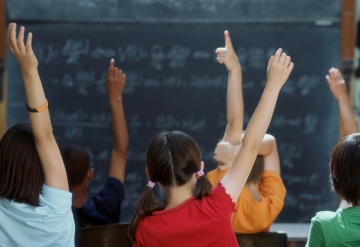
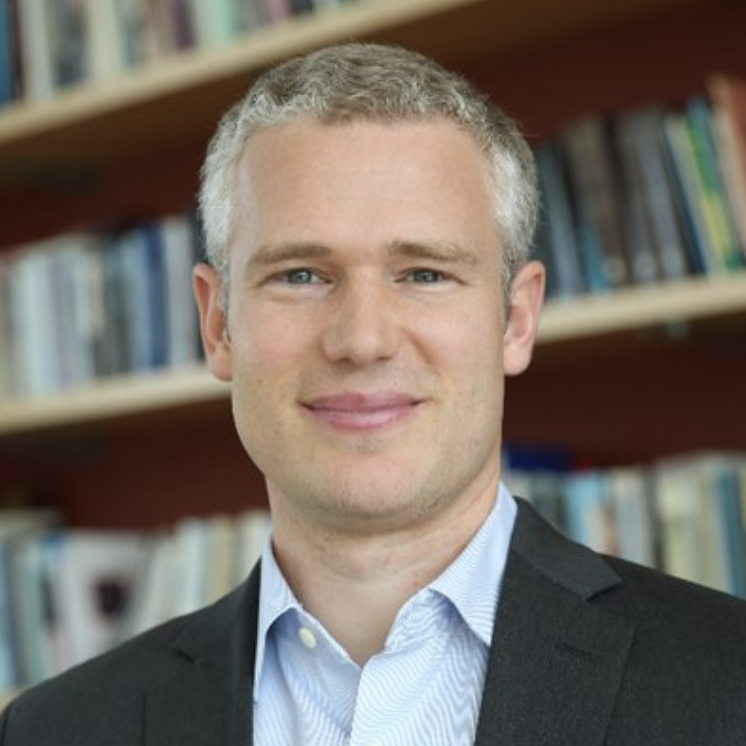
Associate Professor of Education Matt Kraft says that as students return from distance learning this fall, cutting down on external interruptions -- and maximizing learning time in the classroom -- is more important than ever.
A working paper recently released by Kraft identified the following:
GET THE LATEST BREAKING NEWS HERE -- SIGN UP FOR GOLOCAL FREE DAILY EBLAST- A typical classroom in Providence is interrupted more than 2,000 times per year
- Interruptions and the disruptions they cause result in the loss of between 10 and 20 days of instructional time in Providence
- Administrators systematically underestimate the frequency and negative consequences of these interruptions
- Persistent interruptions during the beginning and end of class periods lead students and some teachers to effectively shorten class periods
- Some Providence schools experienced three times as many interruptions as others.
"Students have lost meaningful amounts of learning time," said Kraft of distance learning this spring. "We need to find creative and affordable ways to maximize learning time. Cutting down on external interruptions isn’t a silver bullet, but it’s an important arrow in the quiver."
Professor on Record
"So this was a project that came out of my own experiences in the classroom and my experiences observing classrooms," said Kraft. "I was surprised how frequently someone knocked on the door, or the intercom asked for students to come to the office — which are seemingly innocuous."
Kraft said the research was "exclusive to outside interruptions" — and outside of teachers' purview.
"I did include students who entered a classroom late or in a way disruptive to learning," said Kraft. "I think I was surprised at how much of an issue that was in secondary schools. If a student shows up ten minutes late, teachers are either trying to get that student caught up, and they might lose the focus of the rest of the class."
"The research did not include any of the types of 'within the classroom' behaviors that might interrupt — cell phones, disagreements, lack of attention," said Kraft. "It’s the interaction of the school, teacher, and students."
"The majority of external interruptions are caused by school personnel — not students," said Kraft.
Providence Schools in Focus
"The research was focused on Providence Public schools — I don’t think our findings are unique. It’s a helpful laboratory," said Kraft. "I don’t think these are characteristics of schools everywhere. I think it’s more acute in some settings more than others. Some schools had 3 times as many external interruptions — it’s not impossible to deliver uninterrupted instruction."
"I had the support of the Providence school department to engage in a two-prong data approach," said Kraft. "[One was] adding survey items to the district-wide schools' survey — asking about their experiences with external interruptions, and defining that as I had."
"Through principals, we had introductions where we asked teachers to participate. Every teacher we asked was excited and willing [due to] the external interruptions that occur and they were eager to address," said Kraft. "We did not tell the students as to bias their behaviors."
Kraft said the research occurred over 2 months in the spring semester of 2017 — with survey data collected in 2017 and 2018
Findings
"One of the biggest surprises was that principals systemically underestimate the frequency and harm that interruptions have on instruction and learning," said Kraft. "We found that compared to both teachers and students in classes — principals did not perceive as many interruptions as teachers and students nor as we counted objectively. They rated the degree how detrimental they were to learning, in a way they did not think was as serious an issue".
"Unlike most of the major challenges education systems face, this particular issue is one relatively easy and nearly costless to solve or meaningfully reduce," said Kraft.
"One of the most egregious offenses is the overuse of the PA system or intercom," said Kraft. "While many schools use intercoms during scheduled set times, that was often several minutes into the start or at the end of a class. We would observe students, even teachers, then see some 'flex time' -- they were expecting it — and that leads to a systematic shortening of class time."
"The unscheduled interruptions — those were often relevant to only a small number of students or staff, that minimally could have been communicated," said Kraf. "A number of schools simply have cut intercoms. Advisories and assemblies and homerooms can communicate information not on an emergency basis. The intercom system is a major culprit. It's low hanging fruit."
Kraft said that teachers' taking phone calls was also an issue.
"The use of teachers' phones — those types of interruptions were often the lengthiest," said Kraft. "They were long enough to create a disruption after. It’s not just the external interruption, it sets the stage to further disruptions."
"It’s about valuing the sanctity of instructional time and teachers’ work and students’ learning time. Teachers communicated that they felt disrespected and undermined in their efforts," said Kraft.
With students scheduled to return to school in the fall, Kraft said he believes this issue -- minimizing external interruptions -- is more important than ever.
"I’m not optimistic we’re able to deliver education at scale in remote learning -- so we need to do the best we can delivering education in person," said Kraft.
"It’s heightened the importance of respecting learning time when we’re able to return."