


Who Remembers the WPA? Dr. Ed Iannuccilli
Dr. Ed Iannuccilli, Contributor
Who Remembers the WPA? Dr. Ed Iannuccilli
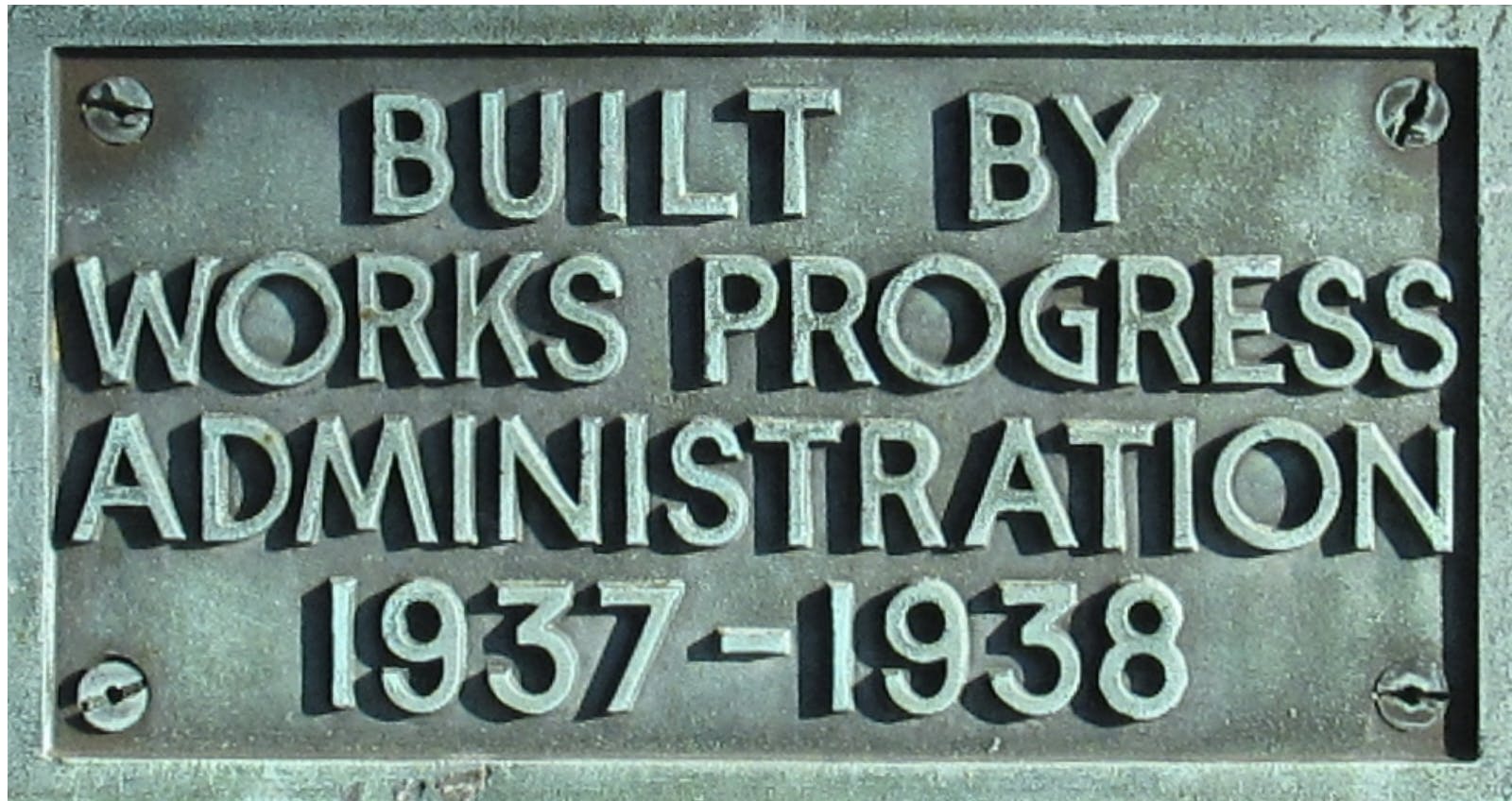
But what stalls me enough to spend more time are the number of WPA plaques around town, from The Mt. Hope Farm to the streets along the way. Why the plaques?
The Works Progress Administration was an American New Deal agency that employed millions of jobseekers to conduct public works projects.
GET THE LATEST BREAKING NEWS HERE -- SIGN UP FOR GOLOCAL FREE DAILY EBLASTCreated by President Franklin Roosevelt to relieve the economic hardship of the Great Depression, this 1939 national program employed more than 8.5 million people on 1.4 million public projects before it was disbanded in 1943. For an average salary of $41.57 a month, WPA employees built bridges, roads, public buildings, public parks, and airports. And where they built roads and bridges, they embedded plaques.
Because of the depression, workers faced diminished wages, or loss of jobs altogether. It was a desperate time for millions of laborers because, without jobs, they had difficulty paying for shelter, clothing, and food. President Roosevelt's New Deal provided $41.7 billion in funding for domestic programs like work relief for the unemployed.
For me, there is a personal story. My grandfather worked for the WPA. My parents spoke of his pride in working. “He could neither understand, nor accept, getting paid for not working.” Rugged individualism, I guess, self-reliance one of his cherished values. Why was he upset?
Prior to the WPA, thousands of unemployed men and women turned to government relief for help during the Great Depression. Known as the dole, these payments were small. Not only could Grandpa not understand getting paid for something he didn’t do, but he also realized quickly that what he received was not enough to support his family.
He loved it when The President offered him a job for which he was duly paid. In a treasured picture, he was in his cement-workers garb; one-piece coveralls with two suspender-like bands across the shoulders and a bib that fed directly to his pants, functional coveralls porting layers of coated concrete and dust.
I counted twelve plaques in Bristol, pausing a bit longer at the one inscribed on the year of my birth. I wanted one, not sure what to do with it save for the memory and its use as a rather heavy paperweight. When recently some sidewalks were replaced and plaques were uprooted, I asked several officials where I might buy a plaque but to no avail.
I went online to find the one I wanted. The asking price of $500 was a bit much for a paperweight, so I quit the search.
I can picture my grandfather on his hands and knees spreading cement on many sidewalks throughout the state, never complaining, ever serious, meticulous, and maybe smiling when he took home his pay after a solid day’s work.
He was about work, pride, security, and family.