


Biden Administration Moves with Speed to Electric Cars - Rob Horowitz
Rób Horowitz, MINDSETTER™
Biden Administration Moves with Speed to Electric Cars - Rob Horowitz
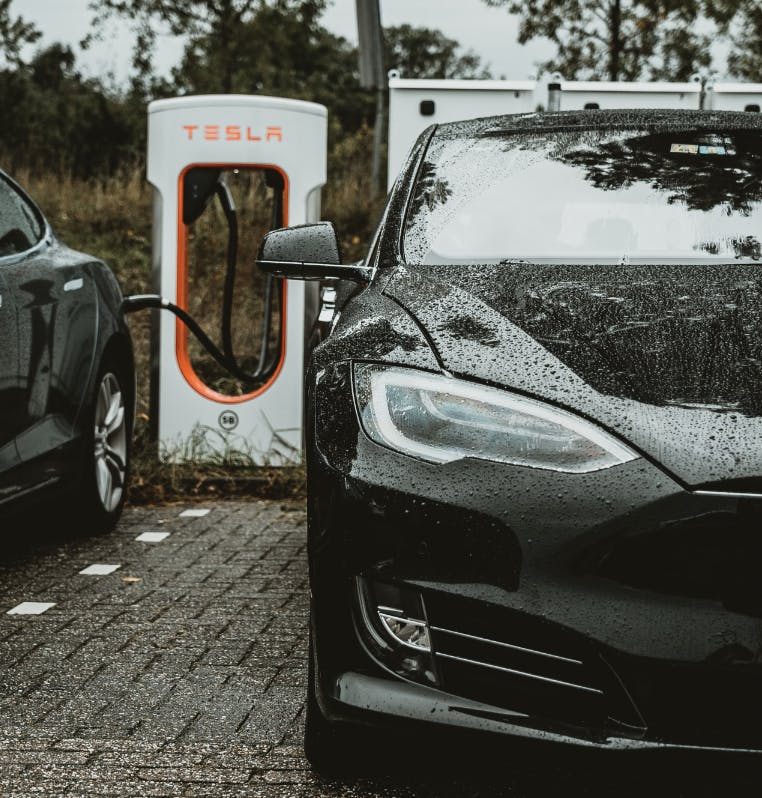
This initiative speeds up the transition away from fossil fuels—an essential ingredient in avoiding the worst consequences of global warming. The need for this acceleration is underscored by the fact that 2023 was the hottest year on record. Even more concerning, so far, this year’s global temperatures are hovering around the levels scientists say we cannot move much beyond before risking serious and hard-to-come-back from planetary impacts.
The new rules do not ban gasoline-powered vehicles. They work by increasing the emission limits across an automobile company’s entire product line each year between now and 2032. This, in practice, will only be able to be adhered to-- barring some new technological breakthrough-- by a dramatic increase in the sales of electric cars and trucks, as well as by boosting the efficiency of the declining fleet of vehicles that are fossil-fuel only. The specific targets identified by EPA that would ensure meeting the 2032 emissions standards are that electric vehicles comprise 56% of all new cars sold and hybrids represent an additional 15%.
GET THE LATEST BREAKING NEWS HERE -- SIGN UP FOR GOLOCAL FREE DAILY EBLASTIn crafting the final rule, EPA factored in the concerns of the industry and auto unions, along with some experts that there needed to be a more gradual increase in the emissions standards to give more time for sufficient charging stations to come on board and to build stronger consumer demand. “While more than 172,000 were installed last year analysts project that the nation will need more than two million chargers by 2030 to support the growth in electric vehicles envisioned by the E.P.A. regulation,” reported The New York Times.
As a result, of the concessions both these key stakeholders embraced these new requirements. John Bozzella, CEO of the Alliance for Automotive Innovation, the voice of the auto industry, said, “Moderating the pace of EV adoption was the right call because it prioritizes more reasonable electrification targets in the next few, very critical years of the transition.”
The United Autoworkers (UAW) sounded a similar note: “By taking seriously the concerns of workers and communities, the EPA has created a more feasible emissions rule that protects workers building [internal combustion engine] vehicles, while providing a path forward for automakers to implement the full range of automotive technologies to reduce emissions.”
The support of these key interest groups will not only facilitate better cooperation and compliance during the implementation phase. It brings obvious political benefits for President Biden in Michigan most importantly, but in other swing states as well. Although these news rules are supported by the overwhelming majority of environmental groups, the White House and EPA were not unmindful of the political implications in what after all is a presidential election year.
Together with its other key climate initiatives, this new rule which will accelerate the transition of the American car fleet to electric vehicles, puts the Biden Administration in a solid position to achieve its ambitious overall climate goals of cutting net domestic greenhouse gas emissions in half from 2005 levels by 2030 and reducing them to zero net emissions by 2050.
But achieving these important goals that set an example to the rest of the world, dramatically boosting our diplomatic leverage in the climate area requires a laser focus on implementation. Nearly 1-in-10 cars sold in the United States last year were electric cars. Over the next 8 years or so, we need to increase that percentage by 5- fold.
This is something we can do. More importantly, it is a must for leaving a habitable planet for our children. With these new rules, the Biden Administration is charting the way forward. Now, it is up to us to stay the course.